
Lymphatic Drainage: The Complete Guide to Boosting Your Immune System Naturally
Kumar G is the founder of Future Smart Living, sharing expert-backed content on health, wellness, technology, personal finance, and smart living. His goal is to provide practical, trustworthy guides that help readers live healthier, smarter, and more informed lives.
Have you ever wondered how your body removes waste, toxins, and excess fluid every single day?
Most people know about the heart, lungs, kidneys, and digestive system—but very few understand the importance of the lymphatic system. Think of it as your body’s natural cleaning and recycling network. It transports immune cells, removes waste products, maintains fluid balance, and helps defend against infections.
Unlike your heart, the lymphatic system has no pump. Instead, it relies on movement, breathing, muscle contractions, and healthy lifestyle habits to keep lymph flowing efficiently.
When lymph circulation slows, some people may experience fluid retention, swelling, fatigue, brain fog, or skin puffiness. Fortunately, simple daily habits can help support healthy lymphatic function.
In this complete guide, you’ll learn how lymphatic drainage works, evidence-based techniques to encourage healthy flow, foods that support the lymphatic system, and important safety precautions.
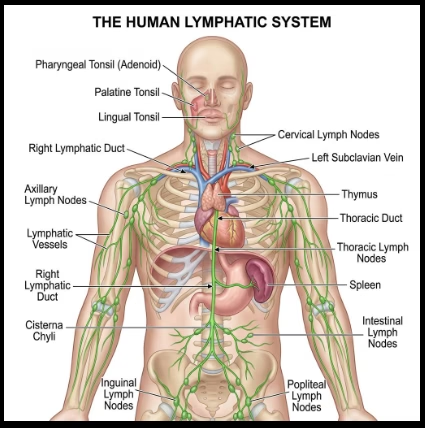
Table of Contents
- What Is the Lymphatic System?
- Why Lymphatic Drainage Matters
- Signs Your Lymphatic System May Need Support
- 8 Natural Ways to Improve Lymphatic Drainage
- Best Foods for Lymphatic Health
- Facial Lymphatic Drainage
- The Glymphatic System and Brain Health
- Lifestyle Tips
- Who Should Avoid Lymphatic Drainage?
- Frequently Asked Questions
- Final Thoughts
What Is the Lymphatic System?
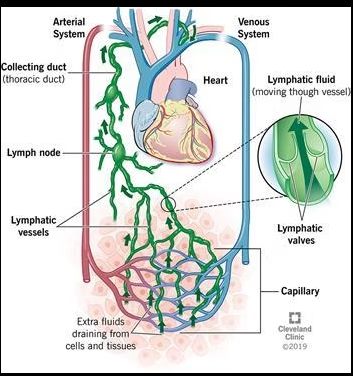
The lymphatic system is a network of vessels, organs, and approximately 600–800 lymph nodes that work together to:
- Remove cellular waste
- Filter bacteria and viruses
- Maintain fluid balance
- Transport immune cells
- Absorb dietary fats
- Support immune function
Major lymphatic organs include:
- Lymph nodes
- Spleen
- Thymus
- Tonsils
- Bone marrow
Together, these structures help protect your body from infection while removing unwanted materials.
Why Is Lymphatic Drainage Important?
Lymph fluid carries waste products, proteins, bacteria, and immune cells throughout the body.
Healthy lymph flow may help support:
- Normal immune function
- Healthy circulation
- Fluid balance
- Tissue recovery
- Reduced swelling caused by fluid buildup (where appropriate)
- Overall wellness
Because lymph doesn’t have its own pump, movement becomes essential.
Understanding the Main Drainage Point
Eventually, lymph fluid returns to the bloodstream through veins near the collarbone called the subclavian veins.
This region is sometimes referred to by clinicians as the venous angle, where lymph re-enters blood circulation.
The:
- Left lymphatic duct drains most of the body.
- Right lymphatic duct drains the right side of the head, chest, and right arm.
Knowing this explains why many lymphatic massage techniques begin near the neck and collarbone.
Signs Your Lymphatic System May Need Support
While these symptoms can have many causes and are not specific to the lymphatic system, some people seek evaluation if they experience:
- Mild swelling
- Feeling puffy
- Heavy legs
- Reduced mobility
- Temporary fluid retention
- Skin tightness
- Feeling sluggish after prolonged inactivity
Persistent swelling, pain, or enlarged lymph nodes should always be evaluated by a healthcare professional.
8 Natural Ways to Improve Lymphatic Drainage
1. Gentle Walking

Walking activates leg muscles that naturally encourage lymph circulation.
Aim for:
- 30 minutes daily
- Moderate pace
- Consistent movement
2. Toe Bouncing
Often called the “mini rebounder exercise,” toe bouncing activates calf muscles.
How to do it
- Stand upright.
- Lift your heels slightly.
- Bounce gently for 30–60 seconds.
- Repeat several times throughout the day.
This is especially useful for people who sit for long periods.
3. Deep Belly Breathing
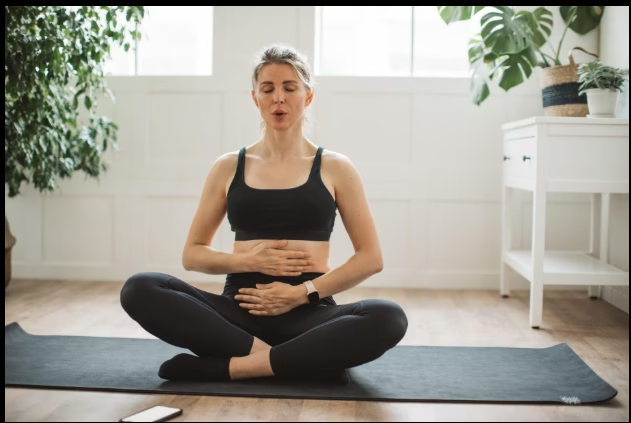
The diaphragm acts like a natural pump for lymph.
Practice:
- Inhale through the nose for 4 seconds.
- Expand the belly.
- Hold for 2 seconds.
- Exhale slowly through the mouth.
Repeat 5–10 breaths.
4. Gentle Lymphatic Massage
Manual lymphatic drainage uses light pressure—not deep tissue massage—to encourage lymph movement.
A typical sequence begins by gently stimulating areas near the collarbone before moving toward other regions of the body.
If you have lymphedema or another medical condition, seek treatment from a certified lymphedema therapist rather than attempting advanced techniques on your own.

5. Stay Hydrated
Lymph is made mostly of water.
Drink water consistently throughout the day.
Signs of dehydration include:
- Dark urine
- Dry mouth
- Fatigue
- Headaches
6. Exercise Regularly
The best activities include:
- Swimming
- Yoga
- Walking
- Cycling
- Stretching
- Pilates
Movement keeps lymph flowing naturally.
7. Dry Brushing (Limited Evidence)
Some people use dry brushing before showering to stimulate the skin and promote circulation. Scientific evidence for lymphatic benefits remains limited, so consider it a wellness practice rather than a proven medical treatment.
8. Get Enough Sleep
During sleep, the brain’s glymphatic system becomes more active, helping clear metabolic waste products.
Quality sleep supports overall recovery and brain health.
Best Foods for Lymphatic Health
Eating a nutrient-rich diet supports overall immune health and hydration.

Leafy Greens
Examples:
- Kale
- Spinach
- Swiss chard
- Broccoli
Rich in:
- Vitamins
- Minerals
- Fiber
- Antioxidants
Citrus Fruits
Contain:
- Vitamin C
- Flavonoids
Great choices include:
- Oranges
- Lemons
- Grapefruit
Cranberries
Naturally rich in antioxidants and can be part of a balanced diet.
Berries
Blueberries
Strawberries
Raspberries
Excellent sources of polyphenols.
Omega-3 Foods
Include:
- Salmon
- Sardines
- Walnuts
- Chia seeds
- Flaxseed
Green Tea
Contains catechins and antioxidants that support overall health.
Facial Lymphatic Drainage
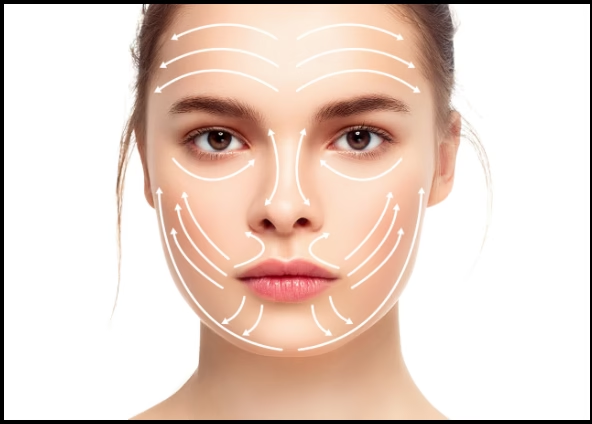
Many people use gentle facial massage to temporarily reduce puffiness.
Basic technique:
- Use clean hands.
- Apply light pressure.
- Move from the center of the face toward the ears.
- Continue down the sides of the neck toward the collarbone.
Avoid excessive pressure, as lymphatic vessels lie close to the skin.
The Glymphatic System and Brain Health
Scientists have identified a waste-clearance system in the brain known as the glymphatic system.
Research suggests it is most active during deep sleep and may help remove metabolic waste products. While studies continue, good sleep hygiene remains an important part of overall brain health.
Lifestyle Habits That Support Healthy Lymph Flow

- Maintain a healthy weight.
- Avoid prolonged sitting.
- Stretch throughout the day.
- Wear loose clothing.
- Stay hydrated.
- Manage stress.
- Eat a balanced diet.
- Exercise consistently.
- Sleep 7–9 hours each night.
Who Should Avoid Lymphatic Drainage?
Speak with your healthcare provider before performing lymphatic drainage if you have:
- Blood clots (DVT)
- Congestive heart failure
- Kidney failure
- Active infection
- Fever
- Untreated cancer-related conditions unless advised by your care team
If you notice sudden swelling, severe pain, redness, or warmth, seek medical attention promptly.
Frequently Asked Questions
How often should you perform lymphatic drainage?
Gentle movement, deep breathing, and walking can be done daily. Manual lymphatic drainage frequency depends on your individual health needs and should follow your healthcare provider’s guidance if you have a medical condition.
Does drinking water improve lymphatic drainage?
Staying well hydrated supports normal lymph fluid movement and overall body function.
Can exercise help lymphatic flow?
Yes. Walking, swimming, cycling, yoga, and stretching encourage muscle contractions that naturally assist lymph circulation.
Is lymphatic massage safe?
For most healthy adults, gentle lymphatic massage is generally considered safe. However, people with certain medical conditions should consult a healthcare professional first.
Can lymphatic drainage boost the immune system?
A healthy lymphatic system is an important part of normal immune function. While healthy habits support the system, no massage or exercise can “supercharge” immunity or prevent illness on its own.
Final Thoughts
Your lymphatic system quietly works around the clock to maintain fluid balance, transport immune cells, and remove waste. Since it depends on movement rather than a central pump, simple habits like regular exercise, deep breathing, staying hydrated, and getting enough sleep can help support its normal function.
If you have persistent swelling, pain, or a diagnosed lymphatic condition such as lymphedema, consult a qualified healthcare professional for evaluation and personalized treatment.
Recommended Internal Links
- Foods and Remedies That Naturally Boost Immunity: The Evidence-Based Guide
- Home Remedies for Lower Back Pain Relief: Evidence-Based Exercises, Stretches, and Daily Habits
- Top Dermatologist-Approved Skin Care Home Remedies for Acne, Eczema, and Dry Skin
- Home Remedies for Cold and Flu Symptoms: The Evidence-Based Guide
- Natural Remedies for Better Sleep and Insomnia Relief
High-Authority External Links
- Cleveland Clinic: How the Lymphatic System Works
- Cancer Research UK: The Lymphatic Drainage System
- Stanford Medicine: Research on Lymphedema
Medical Disclaimer:
The information provided in this article is for educational and informational purposes only and should not be considered medical advice, diagnosis, or treatment. While every effort has been made to ensure the accuracy of the information, health recommendations may change as new research becomes available.
Always consult a qualified healthcare professional before starting any new exercise program, lymphatic drainage massage, supplement, or lifestyle change—especially if you are pregnant, have lymphedema, heart disease, kidney disease, a history of blood clots (DVT), active infections, or any other medical condition.