
Massage therapy has been practiced for thousands of years and remains one of the most widely used complementary wellness approaches worldwide. Whether you’re trying to reduce stress, recover after exercise, improve flexibility, or ease chronic muscle tension, the right massage technique may help you feel and function better.
Today, there are more than 350 recognized massage modalities, each designed for different health goals. Some focus on relaxation, while others target pain relief, sports recovery, mobility, or swelling. Understanding the differences can help you choose the treatment that best fits your needs.
This guide explains the most common massage techniques, their potential benefits, who they may be suitable for, and important safety considerations.
What Is Massage Therapy?
Massage therapy involves manipulating the body’s soft tissues—including muscles, tendons, ligaments, fascia, and connective tissue—using hands or specialized tools. Depending on the technique, massage may involve gentle strokes, kneading, stretching, rhythmic tapping, or sustained pressure.
People commonly seek massage therapy to:
- Relieve muscle tension
- Reduce stress
- Improve circulation
- Promote relaxation
- Enhance athletic recovery
- Improve flexibility
- Support rehabilitation
- Reduce stiffness
While many people report symptom relief, massage should complement—not replace—medical care for serious conditions.
Health Benefits of Massage Therapy
Research suggests massage therapy may help with:
- Temporary relief of neck and back pain
- Reduced muscle soreness after exercise
- Improved flexibility and joint mobility
- Lower stress levels
- Better sleep quality
- Reduced anxiety
- Improved circulation
- Temporary reduction in swelling in certain conditions (when appropriate)
- Enhanced relaxation and overall well-being
The degree of benefit varies depending on the individual, the massage technique used, and the underlying health condition.
Types of Massage Therapy
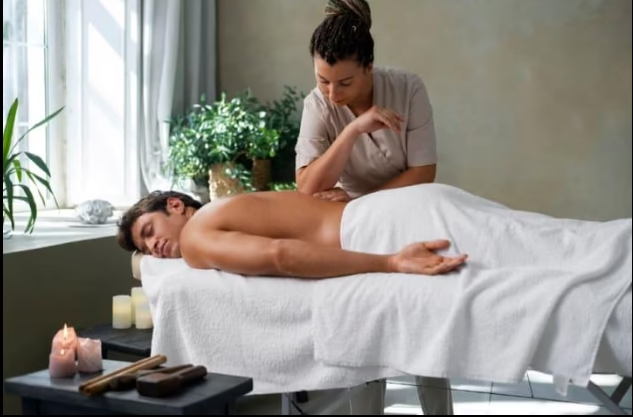
1. Swedish Massage
Swedish massage is the most common massage performed in wellness centers and spas. It uses long gliding strokes, kneading, circular movements, vibration, and rhythmic tapping.
Benefits
- Deep relaxation
- Reduced stress
- Improved circulation
- Muscle relaxation
- Better sleep
Best For
- Beginners
- Office workers
- Mild muscle tension
- Stress management
2. Deep Tissue Massage
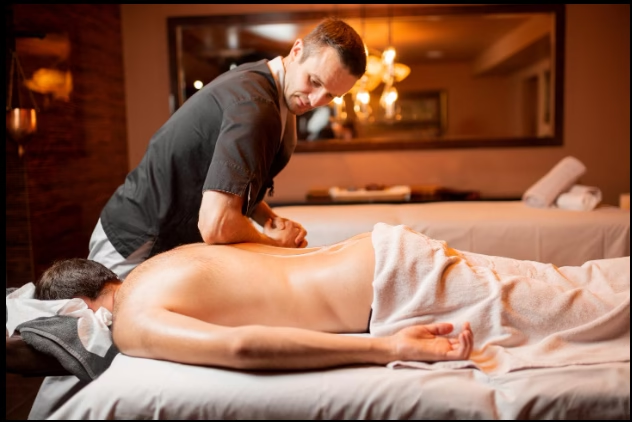
Deep tissue massage applies slower, firmer pressure to reach deeper muscle layers and connective tissue.
Benefits
- Chronic muscle tightness
- Scar tissue management
- Improved mobility
- Recovery after repetitive strain
Best For
- Chronic neck pain
- Lower back pain
- Shoulder stiffness
- Athletes
Because it uses firmer pressure, some temporary soreness afterward is common.
3. Sports Massage
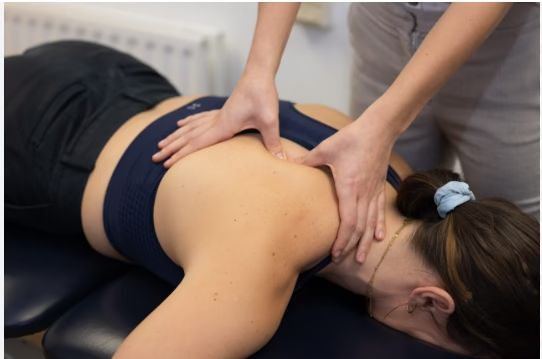
Sports massage is designed for physically active individuals.
It may be used:
- Before competition
- After workouts
- During rehabilitation
- During regular training
Benefits
- Faster recovery
- Reduced muscle soreness
- Increased flexibility
- Injury prevention
- Improved performance
4. Thai Massage
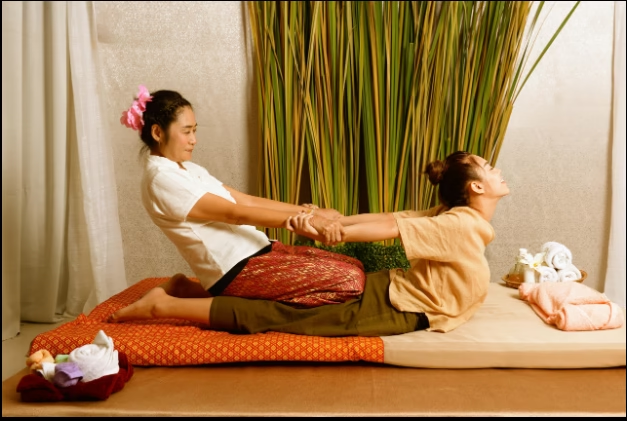
Often called “lazy yoga,” Thai massage combines stretching, assisted movement, compression, and acupressure.
Unlike most massages, it is performed on a floor mat while you remain fully clothed.
Benefits
- Increased flexibility
- Better posture
- Improved mobility
- Enhanced energy
5. Hot Stone Massage
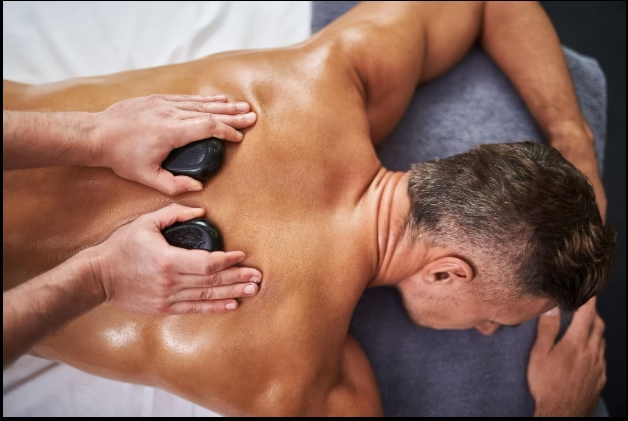
Heated basalt stones are placed on specific areas of the body to help muscles relax.
Benefits
- Muscle relaxation
- Stress reduction
- Gentle pain relief
- Improved circulation
6. Prenatal Massage

Prenatal massage is specifically adapted for pregnancy.
It may help:
- Lower back discomfort
- Hip pain
- Swollen legs
- Stress
- Sleep quality
Always consult your obstetric provider before scheduling prenatal massage, especially if you have a high-risk pregnancy or pregnancy complications.
7. Reflexology
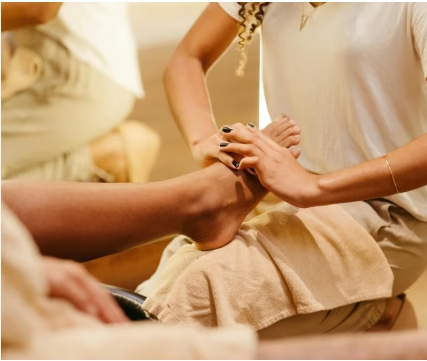
Reflexology focuses on applying pressure to specific points on the feet, hands, or ears that practitioners believe correspond to different parts of the body.
Many people use reflexology for relaxation, though scientific evidence for organ-specific effects is limited.
8. Shiatsu Massage
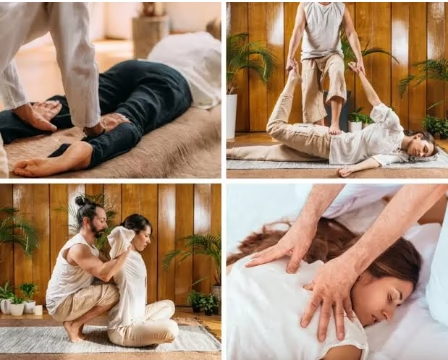
Shiatsu is a Japanese massage technique that applies finger pressure along specific points of the body.
Possible Benefits
- Relaxation
- Stress reduction
- Muscle tension relief
9. Lymphatic Drainage Massage
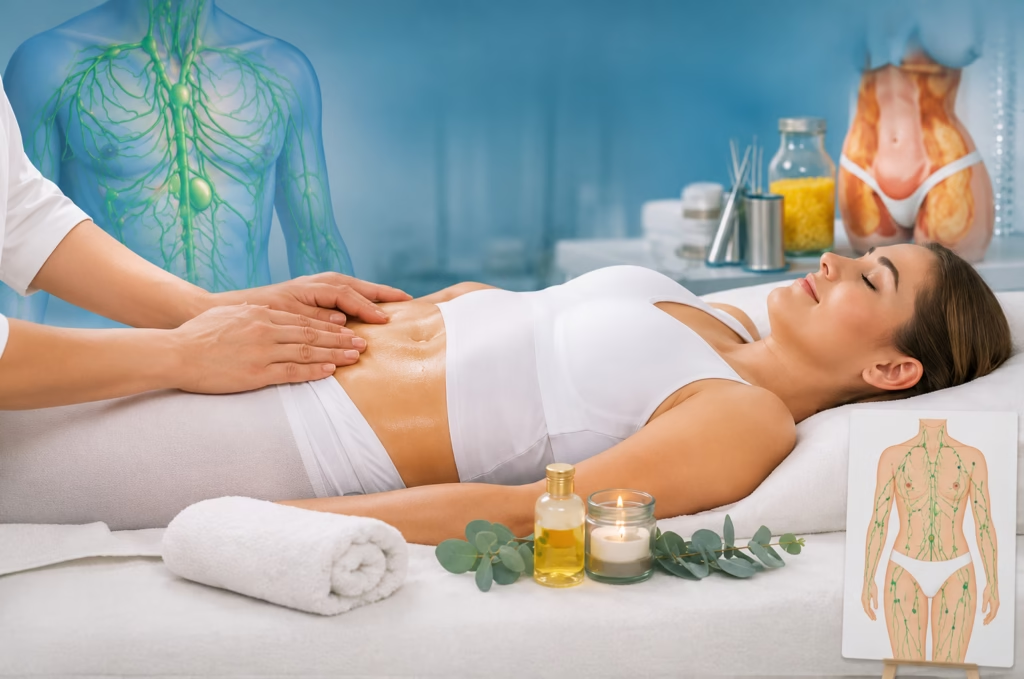
Manual lymphatic drainage uses very gentle, rhythmic movements intended to encourage lymph fluid movement.
It is commonly used under medical guidance for people with lymphedema and certain post-surgical conditions.
Which Massage Is Best?
| Goal | Recommended Massage |
|---|---|
| Relaxation | Swedish Massage |
| Chronic Pain | Deep Tissue Massage |
| Sports Recovery | Sports Massage |
| Flexibility | Thai Massage |
| Pregnancy | Prenatal Massage |
| Swelling | Lymphatic Drainage |
| Foot Fatigue | Reflexology |
| Muscle Tightness | Hot Stone Massage |
How to Choose the Right Massage Therapist
Look for someone who:
- Holds appropriate licensing or certification (where required)
- Has experience treating your concern
- Explains the treatment plan clearly
- Takes your medical history
- Maintains a clean, professional environment
Don’t hesitate to ask questions before your appointment.
When Massage May Not Be Appropriate
Massage therapy isn’t suitable for everyone.
Speak with a healthcare professional before receiving massage if you have:
- Blood clots
- Active infection
- Fever
- Severe osteoporosis
- Open wounds
- Recent surgery (unless cleared)
- Certain cancers (unless advised by your care team)
- Uncontrolled heart disease
Frequently Asked Questions
Which massage is best for stress?
Swedish massage is commonly recommended for relaxation and stress reduction.
Which massage helps muscle knots?
Deep tissue and trigger point massage are often used to address muscle tightness and trigger points.
How often should I get a massage?
This depends on your goals. Some people benefit from monthly sessions for maintenance, while others may require more frequent treatments during rehabilitation, as recommended by a healthcare professional.
Is massage therapy safe?
Massage is generally safe when performed by a trained professional, but certain medical conditions require medical clearance first.
Conclusion
Massage therapy can be an effective way to reduce stress, ease muscle tension, and support overall well-being. The best massage depends on your health goals, comfort level, and any underlying medical conditions. Whether you choose a gentle Swedish massage for relaxation or a deep tissue session for chronic tightness, selecting a qualified therapist and communicating openly about your needs will help you get the most from your treatment.
Recommended External Resources
For authoritative information, consider linking to:
- National Center for Complementary and Integrative Health (NCCIH) – Massage Therapy
- American Massage Therapy Association (AMTA)
- Mayo Clinic – Stress Management
- Cleveland Clinic – Massage Therapy Overview
- Healthline – 12 Types of Massage and Their Benefits
Recommended Internal Links
- Foods and Remedies That Naturally Boost Immunity: The Evidence-Based Guide
- 10 Best Massagers 2026: Leg, Back, Foot & Massage Guns
- Home Remedies for Lower Back Pain Relief: Evidence-Based Exercises, Stretches, and Daily Habits
- Top Dermatologist-Approved Skin Care Home Remedies for Acne, Eczema, and Dry Skin
- Home Remedies for Cold and Flu Symptoms: The Evidence-Based Guide
- Natural Remedies for Better Sleep and Insomnia Relief