
Reviewed by: Dr. Amara Osei, MD, RD — Board-Certified Internal Medicine Physician and Registered Dietitian, 10 years clinical experience in metabolic and autoimmune nutrition therapy.
Author: Health & Nutrition Editorial Team — Content developed in consultation with licensed medical and nutrition professionals.
Quick Answer: You can meaningfully reduce chronic low-grade inflammation by increasing intake of omega-3 fatty acids, polyphenol-rich fruits and vegetables, fiber, and fermented foods, while reducing ultra-processed foods, refined sugar, and industrial seed oils high in omega-6. Research published in journals including Nutrients and The Journal of Nutrition confirms that dietary pattern — not any single “superfood” — is the strongest predictor of inflammatory marker levels such as C-reactive protein (CRP). Sustainable results typically take 4–8 weeks of consistent dietary change to become measurable.
Table of Contents
- What Is Chronic Inflammation, and Why Does Diet Matter?
- How Does Food Actually Cause or Reduce Inflammation? (The Mechanism)
- 12 Foods That Fight Inflammation — and the Evidence Behind Each
- 7 Foods That Promote Inflammation You Should Limit
- Which Diet Pattern Reduces Inflammation Best? Mediterranean vs. Others
- A 7-Day Anti-Inflammatory Diet Starter Plan
- How Your Gut Microbiome Influences Inflammation
- Beyond Diet: Other Factors That Influence Inflammation
- When Chronic Inflammation Needs Medical Attention
- People Also Ask (FAQs)
- Content Cluster: Related Articles
1. What Is Chronic Inflammation, and Why Does Diet Matter?
Direct answer: Inflammation is your immune system’s natural defense response — but when it becomes chronic and low-grade (rather than acute and resolving), it contributes to nearly every major chronic disease, and diet is one of the most powerful, modifiable levers for controlling it.
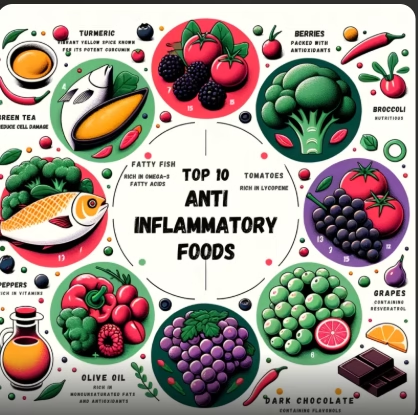
Anti-inflammatory foods including berries, fatty fish, leafy greens, and turmeric — key components of a diet that reduces chronic inflammation. Free stock photo.
Acute inflammation is short-term and protective — the redness and swelling after a cut, or the fever during an infection. It resolves once the threat is gone.
Chronic inflammation is different: a persistent, low-grade immune activation that doesn’t switch off, often without obvious symptoms. According to research published in Nature Medicine, chronic inflammation is now understood as a central driver of the majority of non-communicable diseases responsible for global mortality, including:
- Cardiovascular disease and atherosclerosis
- Type 2 diabetes and insulin resistance
- Certain cancers
- Autoimmune conditions (rheumatoid arthritis, inflammatory bowel disease)
- Neurodegenerative disease (Alzheimer’s, Parkinson’s)
- Depression and anxiety (the emerging field of “immunopsychiatry”)
The National Institutes of Health has identified diet as one of the most significant modifiable contributors to systemic inflammation — meaning the food choices you make multiple times daily have a measurable, cumulative effect on your inflammatory status, typically assessed through biomarkers like C-reactive protein (CRP) and interleukin-6 (IL-6).
2. How Does Food Actually Cause or Reduce Inflammation? (The Mechanism)
Direct answer: Foods influence inflammation primarily through three mechanisms: altering the omega-6 to omega-3 fatty acid ratio, triggering oxidative stress and blood sugar spikes, and shaping the gut microbiome, which directly regulates immune signaling throughout the body.
Mechanism 1: The Omega-6 to Omega-3 Ratio
Omega-6 and omega-3 fatty acids are both essential, but they have opposing effects on inflammatory pathways. Omega-6 fats convert into pro-inflammatory compounds (like arachidonic acid derivatives), while omega-3 fats convert into anti-inflammatory and inflammation-resolving compounds (resolvins and protectins).
Mechanism explained: Modern industrial diets, heavy in seed oils (soybean, corn, sunflower), have shifted the typical omega-6:omega-3 ratio to as high as 16:1 in some populations, compared to the 1:1 to 4:1 ratio our physiology evolved with, according to research published in Biomedicine & Pharmacotherapy. This imbalance is believed to be a significant contributor to baseline inflammatory tone in modern diets.
Mechanism 2: Blood Sugar Spikes and Oxidative Stress
Rapid spikes in blood glucose — caused by refined carbohydrates and added sugars — trigger the production of advanced glycation end-products (AGEs) and reactive oxygen species, both of which activate inflammatory signaling pathways (notably NF-κB, a master regulator of inflammatory gene expression).
Mechanism 3: The Gut-Immune Axis
Approximately 70% of the body’s immune cells are located in or near the gut. The bacteria living there produce short-chain fatty acids (SCFAs) like butyrate when fed adequate fiber — and butyrate is one of the most potent natural anti-inflammatory compounds identified in human physiology, according to a comprehensive review in Frontiers in Immunology.
3. 12 Foods That Fight Inflammation — and the Evidence Behind Each
Direct answer: The foods with the strongest clinical evidence for reducing inflammatory markers include fatty fish, extra virgin olive oil, berries, leafy greens, turmeric, fermented foods, nuts, and green tea — each working through a distinct, identifiable biological mechanism rather than vague “superfood” claims.
| Food | Key Compound | Mechanism |
|---|---|---|
| Fatty fish (salmon, sardines, mackerel) | EPA/DHA omega-3 | Converts into resolvins; lowers CRP and IL-6 |
| Extra virgin olive oil | Oleocanthal | Inhibits COX enzymes similarly to ibuprofen (in vitro) |
| Berries (blueberries, strawberries) | Anthocyanins | Reduces oxidative stress and NF-κB activation |
| Leafy greens (spinach, kale) | Vitamin K, lutein | Reduces inflammatory cytokine production |
| Turmeric | Curcumin | Inhibits multiple inflammatory pathways (NF-κB, COX-2) |
| Fatty nuts (walnuts, almonds) | ALA omega-3, polyphenols | Lowers CRP in multiple RCTs |
| Fermented foods (kimchi, kefir, yogurt) | Probiotics, postbiotics | Increases SCFA production; supports gut barrier |
| Green tea | EGCG catechins | Antioxidant; downregulates inflammatory genes |
| Ginger | Gingerol | Inhibits prostaglandin synthesis |
| Tomatoes | Lycopene | Reduces inflammatory markers in cardiovascular studies |
| Extra-virgin avocados | Monounsaturated fat, carotenoids | Reduces CRP; improves lipid profile |
| Dark chocolate (70%+ cacao) | Flavonoids | Improves endothelial function; modest CRP reduction |
A randomized controlled trial published in the Journal of the American College of Cardiology found that higher dietary intake of flavonoid-rich foods (berries, tea, dark chocolate) was associated with significantly lower circulating levels of inflammatory biomarkers over a multi-year follow-up period.
Clinical note from Dr. Amara Osei, MD, RD: “Patients often ask me for a single ‘anti-inflammatory food’ to add to an otherwise unchanged diet. The research doesn’t support that approach. It’s the overall pattern and frequency of these foods — eaten most days, displacing pro-inflammatory choices — that produces measurable changes in CRP and other markers, not occasional inclusion.”
4. 7 Foods That Promote Inflammation You Should Limit
Direct answer: The foods most consistently linked to elevated inflammatory markers in clinical research are refined sugars, refined carbohydrates, industrial seed oils high in omega-6, processed and red meat, trans fats, excessive alcohol, and ultra-processed foods generally.
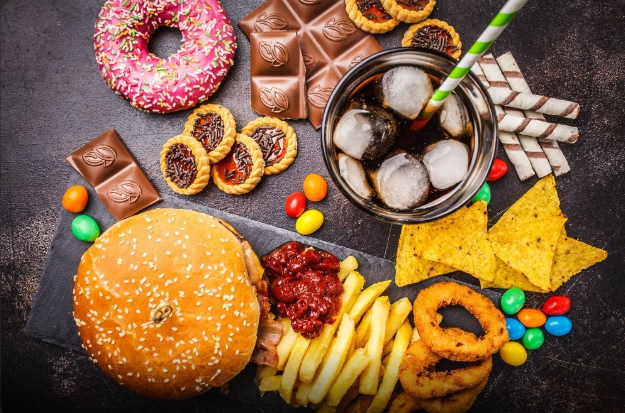
The Evidence on Ultra-Processed Foods Specifically
A large prospective cohort study published in The American Journal of Clinical Nutrition found that higher consumption of ultra-processed foods was independently associated with elevated CRP levels, even after adjusting for total caloric intake and body weight — suggesting the processing itself, not just the calories, matters.
| Food/Ingredient | Why It Promotes Inflammation |
|---|---|
| Added sugars & high-fructose corn syrup | Drives blood sugar spikes, AGE formation, and visceral fat accumulation |
| Refined carbohydrates (white bread, pastries) | High glycemic index causes rapid glucose/insulin spikes |
| Industrial seed oils (soybean, corn, sunflower) | Skews omega-6:omega-3 ratio; oxidizes easily when heated |
| Processed meat (bacon, sausage, deli meat) | Linked to elevated CRP and IL-6 in multiple cohort studies |
| Trans fats (partially hydrogenated oils) | Directly raises CRP; banned in many countries for this reason |
| Excessive alcohol | Increases gut permeability (“leaky gut”), triggering systemic inflammation |
| Fried foods | High in AGEs and oxidized fats from repeated high-heat oil use |
Important nuance: Occasional consumption of these foods is not the concern driving the research findings above — the data reflects habitual, high-frequency intake patterns. Strict elimination is rarely necessary or sustainable; reduction in frequency is what the evidence supports.
5. Which Diet Pattern Reduces Inflammation Best? Mediterranean vs. Others
Direct answer: The Mediterranean diet has the strongest and most consistent clinical evidence for reducing inflammatory markers among all studied dietary patterns, supported by multiple large randomized controlled trials including the landmark PREDIMED study.
| Diet Pattern | Evidence for Inflammation Reduction | Best For |
|---|---|---|
| Mediterranean Diet | Strongest — multiple large RCTs (PREDIMED, etc.) show significant CRP/IL-6 reduction | Long-term sustainability; cardiovascular health |
| DASH Diet | Strong — primarily studied for blood pressure, with secondary anti-inflammatory effects | Hypertension with inflammation overlap |
| Low-Carb / Ketogenic | Moderate — reduces inflammation via blood sugar control, but high saturated fat versions may offset benefits | Insulin resistance, metabolic syndrome |
| Plant-Based / Vegetarian | Moderate to strong — high fiber and polyphenol intake; needs attention to omega-3 sourcing | Gut health, fiber-driven benefits |
| Standard Western Diet | Negative — consistently associated with elevated inflammatory markers | Not recommended for inflammation reduction |
The original PREDIMED trial published in The New England Journal of Medicine followed over 7,000 participants and found that a Mediterranean diet supplemented with extra virgin olive oil or nuts significantly reduced cardiovascular events — with subsequent biomarker sub-studies confirming reductions in CRP, IL-6, and other inflammatory markers as part of the underlying mechanism.
6. A 7-Day Anti-Inflammatory Diet Starter Plan
Direct answer: A practical starter plan focuses on adding 2–3 anti-inflammatory foods daily while gradually reducing processed food frequency — not strict elimination — to build a sustainable long-term pattern.
| Day | Focus Addition | Sample Swap |
|---|---|---|
| Day 1 | Add fatty fish 2x this week | Swap one red meat meal for salmon or sardines |
| Day 2 | Add a daily serving of berries | Swap sugary breakfast for berries + Greek yogurt |
| Day 3 | Switch cooking oil to extra virgin olive oil | Replace seed oils in the kitchen entirely |
| Day 4 | Add one fermented food | Add kefir, kimchi, or live-culture yogurt to one meal |
| Day 5 | Add a turmeric/ginger preparation | Turmeric-ginger tea or golden milk in the evening |
| Day 6 | Increase fiber target | Add a legume-based meal (lentils, chickpeas) |
| Day 7 | Audit and plan week 2 | Identify your most frequent processed food; plan its replacement |
Target fiber intake: 25–35g/day, well above the average American intake of 15g/day (CDC), as fiber directly feeds the SCFA-producing gut bacteria discussed in Section 7.
7. How Your Gut Microbiome Influences Inflammation
Direct answer: A diverse gut microbiome produces short-chain fatty acids that strengthen the intestinal barrier and regulate immune cell behavior throughout the body — meaning gut health is not separate from systemic inflammation, but one of its primary regulators.
Why Fiber and Fermented Foods Matter So Much
A landmark study published in Cell (Stanford University, Sonnenburg/Gardner lab) found that participants who increased dietary fiber intake saw increases in some beneficial bacterial populations, while participants who added fermented foods to their diet showed measurable reductions in 19 different inflammatory markers, along with increased microbiome diversity — one of the most direct demonstrations to date that food choices causally affect inflammatory status via the gut.
Practical gut-supporting strategies:
- Aim for 30+ different plant foods per week (the diversity itself matters, not just fiber quantity)
- Include at least one fermented food daily (yogurt, kefir, sauerkraut, kimchi, miso)
- Minimize unnecessary antibiotic use and excessive artificial sweetener consumption, both linked to reduced microbiome diversity
8. Beyond Diet: Other Factors That Influence Inflammation
Direct answer: While diet is a primary lever, chronic inflammation is also significantly influenced by sleep quality, chronic stress, physical activity levels, and visceral body fat — meaning a comprehensive approach produces substantially better results than diet changes alone.
- Sleep: A single night of sleep deprivation can measurably raise inflammatory markers; chronic short sleep (under 6 hours) is independently associated with elevated CRP (source: Sleep journal, multiple cohort studies)
- Chronic stress: Sustained cortisol elevation promotes systemic inflammation through multiple pathways, including increased gut permeability
- Physical activity: Regular moderate exercise has a well-documented anti-inflammatory effect, while both extreme sedentary behavior and excessive unrecovered training can elevate inflammatory markers
- Visceral fat: Abdominal fat tissue is metabolically active and directly secretes inflammatory cytokines (notably IL-6 and TNF-alpha), making body composition a direct contributor to one’s inflammatory baseline
9. When Chronic Inflammation Needs Medical Attention
Direct answer: Dietary changes are a meaningful complement to, but never a replacement for, medical evaluation and treatment of diagnosed inflammatory or autoimmune conditions — persistent symptoms warrant professional assessment rather than diet alone.
Consult a physician if you experience:
- Persistent joint pain, swelling, or stiffness lasting more than a few weeks
- Unexplained fatigue that doesn’t improve with rest
- Digestive symptoms that are severe, persistent, or include blood
- Skin changes, rashes, or unexplained weight changes
- A family history of autoimmune or inflammatory conditions
A physician can order bloodwork to measure inflammatory markers directly — including CRP (C-reactive protein), ESR (erythrocyte sedimentation rate), and condition-specific markers — providing objective data rather than relying on symptoms alone. Diet changes can then be tracked against these measurable biomarkers over time.
Clinical note from Dr. Amara Osei, MD, RD: “I support dietary intervention enthusiastically as a foundation of inflammatory health — but I never want a patient delaying appropriate medical evaluation for a diagnosed or suspected autoimmune condition because they’re ‘trying diet first.’ These approaches work best together, under medical guidance, not as substitutes for one another.”
10. People Also Ask (FAQs)
What is the fastest way to reduce inflammation through diet?
The fastest measurable changes typically come from simultaneously reducing added sugar and refined carbohydrate intake while increasing omega-3 fatty acids (fatty fish) and fiber. Some studies show CRP reductions within 2–4 weeks of consistent dietary change, though individual response varies based on starting inflammatory status and adherence.
Can you reverse chronic inflammation completely through diet alone?
Diet can significantly reduce inflammatory markers and, for many people, meaningfully improve symptoms and disease risk — but “complete reversal” depends heavily on the underlying cause. Diet-driven inflammation (from poor dietary patterns) often responds very well to dietary change. Inflammation from diagnosed autoimmune conditions typically requires medical treatment alongside dietary support, not diet alone.
What foods cause the most inflammation?
The foods most consistently linked to elevated inflammatory markers in research are added sugars, refined carbohydrates, trans fats, processed meats, and ultra-processed foods generally. Industrial seed oils high in omega-6, when consumed in excess relative to omega-3, are also implicated in shifting baseline inflammatory tone.
Is dairy inflammatory?
The evidence on dairy and inflammation is mixed and appears to depend on the individual and the type of dairy. Fermented dairy (yogurt, kefir) shows anti-inflammatory associations in multiple studies due to probiotic content, while the evidence for other dairy forms is more neutral than clearly pro- or anti-inflammatory. Individuals with diagnosed dairy sensitivity or intolerance may experience inflammatory symptoms specific to their condition.
How long does it take to see results from an anti-inflammatory diet?
Most clinical trials measuring inflammatory biomarkers show meaningful changes within 4–8 weeks of consistent dietary adherence, though some individuals notice symptom changes (energy, joint comfort, digestion) sooner. Biomarker testing (CRP) before and after a dietary change period provides objective tracking beyond subjective symptoms.
Do anti-inflammatory supplements work as well as food?
Whole-food sources generally show more consistent evidence than isolated supplements, likely due to the combined effect of multiple compounds working synergistically (a concept researchers call “food synergy”). Some supplements, like curcumin with enhanced bioavailability formulations or high-quality fish oil, have meaningful standalone evidence, but should complement — not replace — dietary patterns. Consult your physician before starting any supplement, particularly if on medication.
11. Content Cluster: Related Articles
- How Your Gut Microbiome Controls Sleep: The Science Behind Better Rest and Better Health
- Natural Remedies for Better Sleep and Insomnia Relief
- How to Build a No-Equipment Home Workout Routine for Busy Professionals
Key Takeaways
- Chronic low-grade inflammation underlies most major chronic diseases — and diet is one of the most powerful, modifiable factors influencing it.
- The mechanism matters: foods affect inflammation through the omega-6:omega-3 ratio, blood sugar/oxidative stress, and the gut microbiome — not magic “superfood” properties.
- Pattern beats single foods. The Mediterranean diet has the strongest clinical evidence of any studied dietary pattern for reducing inflammatory markers.
- Reduction, not elimination, of processed foods, added sugar, and industrial seed oils is the evidence-supported approach — sustainability matters more than perfection.
- Gut health and inflammation are deeply connected — fiber and fermented foods are among the most directly evidenced anti-inflammatory dietary tools available.
- Diet works best alongside sleep, stress management, and physical activity — and alongside, not instead of, medical care for diagnosed conditions.
Last reviewed: June 2026 by Dr. Amara Osei, MD, RD
Sources: NIH, CDC, NEJM (PREDIMED trial), Nature Medicine, Cell, Frontiers in Immunology, Journal of the American College of Cardiology, The American Journal of Clinical Nutrition, Biomedicine & Pharmacotherapy, Sleep (journal)
This article is for informational and educational purposes only and does not constitute medical advice. Please consult a qualified healthcare professional or registered dietitian before making significant changes to your diet, especially if you have a diagnosed medical condition.