
Reviewed by a Healthcare Professional
Written by: [Kumar G]
Author Expertise: Health & Wellness Research, Evidence-Based Health Content
Fact-Checked Against: Peer-reviewed studies, government health agencies, and medical organizations
Medical Disclaimer: This article is for educational purposes only and does not replace professional medical advice. Seek medical evaluation for severe acne, infected eczema, allergic reactions, or persistent skin conditions.
Quick Answer: What Are the Best Skin Care Home Remedies?
The most dermatologist-supported skin care home remedies include:
- Colloidal oatmeal for eczema and itching
- Aloe vera for mild acne irritation
- Fragrance-free moisturizers for dry skin
- Coconut oil for some cases of dry skin (not facial acne)
- Petroleum jelly for severely dry areas
- Proper hydration and gentle cleansing
Home remedies work best as supportive care and should not replace prescribed treatments for moderate to severe skin conditions.
Key Takeaways
✓ Colloidal oatmeal is one of the most evidence-supported home remedies for eczema.
✓ Aloe vera may help calm mild acne-related irritation.
✓ Applying moisturizer immediately after bathing improves hydration.
✓ Petroleum jelly remains one of the most effective barriers against moisture loss.
✓ Avoid applying lemon juice, garlic, or undiluted vinegar directly to the skin.
✓ Persistent skin conditions require professional evaluation.
What Causes Acne, Eczema, and Dry Skin?
Understanding the cause of a skin condition helps determine which home remedies may actually help.
Acne
Acne develops when:
- Excess oil blocks pores
- Dead skin cells accumulate
- Bacteria contribute to inflammation
- Hormonal fluctuations increase oil production
Eczema
Eczema, also called atopic dermatitis, involves:
- A weakened skin barrier
- Increased water loss
- Immune system dysregulation
- Chronic inflammation
Dry Skin
Dry skin often occurs due to:
- Low humidity
- Hot showers
- Aging
- Harsh cleansers
- Overwashing
Which Home Remedies Help Acne Naturally?
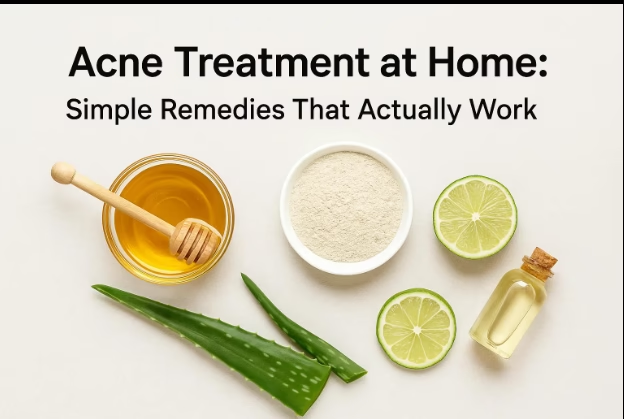
Does Aloe Vera Help Acne?
Direct Answer:
Aloe vera may help soothe redness, irritation, and inflammation associated with mild acne.
Potential benefits:
- Anti-inflammatory effects
- Hydration without heavy oils
- Support for skin healing
How to use:
- Apply pure aloe vera gel after cleansing
- Use once or twice daily
Can Honey Help Acne?
Honey, particularly Manuka honey, possesses antimicrobial properties.
Potential benefits include:
- Supporting wound healing
- Reducing irritation
- Maintaining moisture balance
Honey should be viewed as a complementary treatment rather than a replacement for evidence-based acne therapies.
What Dermatologist-Recommended Ingredients Work Best?
For active acne breakouts, dermatologists commonly recommend:
- Benzoyl peroxide
- Salicylic acid
- Azelaic acid
- Adapalene
These ingredients generally have stronger scientific support than most natural remedies.
What Are the Best Home Remedies for Eczema?
Why Is Colloidal Oatmeal Recommended by Dermatologists?
Direct Answer:
Colloidal oatmeal is one of the most researched natural treatments for eczema symptoms.
Benefits include:
- Reducing itching
- Calming inflammation
- Improving skin hydration
- Supporting barrier function
Ways to use:
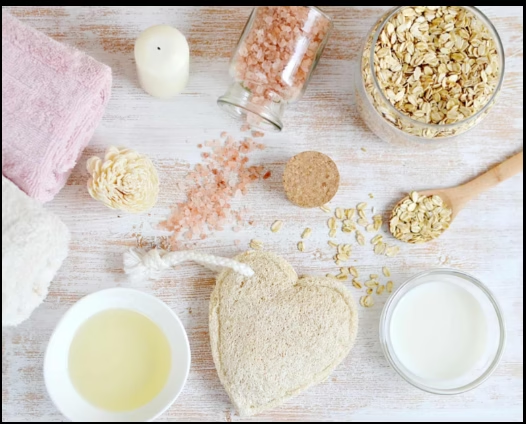
- Oatmeal baths
- Colloidal oatmeal creams
- Moisturizing lotions
Does Coconut Oil Help Eczema?
Virgin coconut oil may help improve skin hydration and reduce water loss.
Benefits include:
- Moisturizing fatty acids
- Barrier protection
- Mild antimicrobial activity
Apply only to intact skin and discontinue if irritation occurs.
What About Bleach Baths?
Dermatologists sometimes recommend diluted bleach baths for certain eczema patients with frequent infections.
Important:
- Use only under professional guidance.
- Incorrect dilution can cause irritation.
How Can You Treat Dry Skin at Home?
Why Should You Moisturize Immediately After Bathing?
Direct Answer:
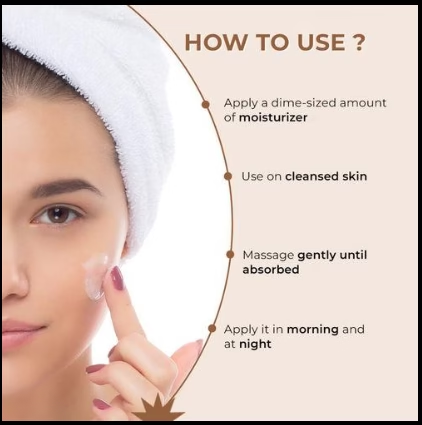
Applying moisturizer within a few minutes of bathing helps trap water inside the skin.
This simple habit is one of the most effective home remedies for dry skin.
Dermatologists call this the “soak and seal” method.
Best Moisturizers for Dry Skin
Look for products containing:
- Ceramides
- Glycerin
- Hyaluronic acid
- Petrolatum
Can Petroleum Jelly Help Extremely Dry Skin?
Yes.
Petroleum jelly is highly effective for:
- Cracked heels
- Dry hands
- Rough elbows
- Winter skin dryness
It works by preventing moisture evaporation.
Can Milk Compresses Help Dry Skin?
Cool milk compresses may temporarily soothe irritated skin.
Benefits come primarily from:
- Cooling effects
- Lactic acid’s mild exfoliating properties
However, moisturizers remain more effective for long-term dry skin management.
Which Home Remedies Should You Avoid?
Not all natural remedies are safe.
Avoid These Common Mistakes
❌ Lemon juice on the skin
May cause irritation and increased sun sensitivity.
❌ Garlic spot treatments
Can cause burns and severe irritation.
❌ Undiluted apple cider vinegar
May lead to chemical burns.
❌ Direct ice application
Can damage skin tissue.
❌ Frequent facial steaming
May worsen rosacea and sensitive skin conditions.
What Lifestyle Habits Improve Skin Health?
Use a Humidifier
Humidifiers may help reduce moisture loss in dry environments.
Take Short, Warm Showers
Limit bathing to:
- 5–10 minutes
- Warm—not hot—water
Wear Breathable Fabrics
Choose:
- Cotton clothing
- Loose-fitting garments
Manage Stress
Stress may worsen:
- Acne
- Eczema
- Psoriasis
- Rosacea
Helpful strategies include:
- Meditation
- Exercise
- Quality sleep
- Deep breathing
Frequently Asked Questions
What is the best natural remedy for eczema?
Colloidal oatmeal has some of the strongest evidence among natural eczema remedies.
Can aloe vera cure acne?
No. Aloe vera may help reduce irritation and inflammation but does not cure acne.
Is coconut oil good for acne?
Generally, coconut oil is not recommended for acne-prone facial skin because it may clog pores in some individuals.
How often should I moisturize dry skin?
Most dermatologists recommend moisturizing at least twice daily and immediately after bathing.
When should I see a dermatologist?
Seek professional care if you experience:
- Severe acne
- Skin infections
- Bleeding eczema
- Persistent rashes
- Significant pain or swelling
Conclusion
The best skin care home remedies focus on protecting and repairing the skin barrier rather than relying on miracle cures. Colloidal oatmeal, aloe vera, proper moisturizing, and gentle skin care practices have the strongest support from dermatologists and scientific research.
For long-term skin health, combine these supportive remedies with evidence-based treatments, healthy lifestyle habits, and professional medical care when necessary.