
Reviewed by a Healthcare Professional
Author Expertise: Health & Wellness Research, Evidence-Based Health Content
Fact-Checked Against: Peer-reviewed studies, government health agencies, and medical organizations
Medical Disclaimer: This article is for educational purposes only and is not medical advice. Seek immediate medical care for severe pain, numbness, weakness, loss of bladder or bowel control, or pain following an injury.
Quick Answer: What Are the Best Home Remedies for Lower Back Pain Relief?
Many cases of mild to moderate lower back pain improve with:
- Regular movement
- Stretching and mobility exercises
- Heat therapy
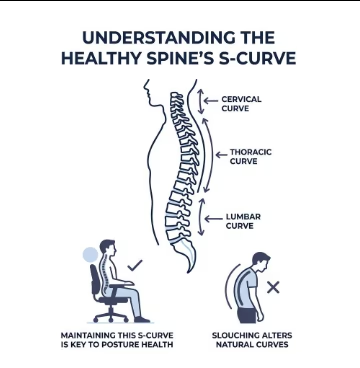
- Improved posture
- Core strengthening
- Foundation Training techniques
- Maintaining a healthy body weight
The most effective long-term strategy is usually a combination of movement, exercise, and ergonomic improvements rather than prolonged bed rest.
Key Takeaways
✓ Staying active is often better than complete rest.
✓ Foundation Training may help improve posture and spinal mechanics.
✓ Heat therapy can reduce muscle tension.
✓ Hip mobility and core strength support the lower back.
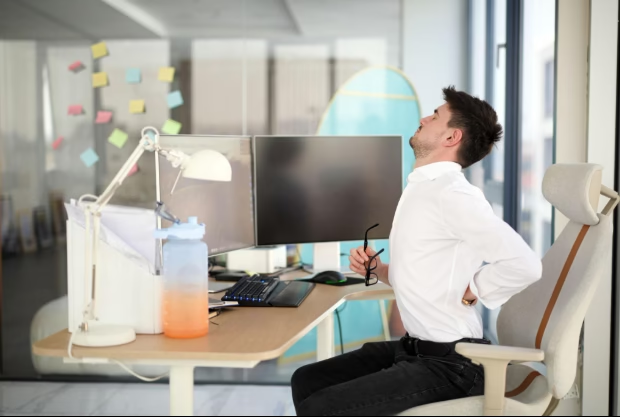
✓ Long periods of sitting are associated with increased back discomfort.
✓ Persistent or worsening pain should be evaluated by a healthcare professional.
What Causes Lower Back Pain?
Direct Answer:
Lower back pain can result from muscle strain, poor posture, prolonged sitting, weak core muscles, degenerative changes, or injuries affecting the spine.
Common causes include:
- Sitting for extended periods
- Poor lifting mechanics
- Muscle tightness
- Sedentary lifestyle
- Excess body weight
- Herniated discs
- Osteoarthritis
Understanding the cause helps determine the most appropriate treatment approach.
Can Foundation Training Help Lower Back Pain?
Direct Answer:
Foundation Training is a movement system designed to improve posture, strengthen the posterior chain, and encourage proper movement mechanics.
The method was developed by Eric Goodman and focuses on:
- Hip hinging
- Breathing mechanics
- Postural alignment
- Core engagement
Some individuals report reduced discomfort and improved mobility, though research remains limited compared with traditional physical therapy approaches.
Why Is the Hip Hinge Important for Back Health?
Direct Answer:
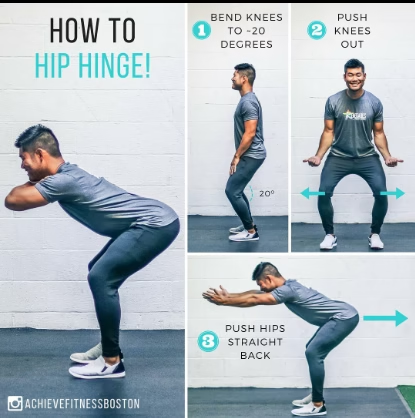
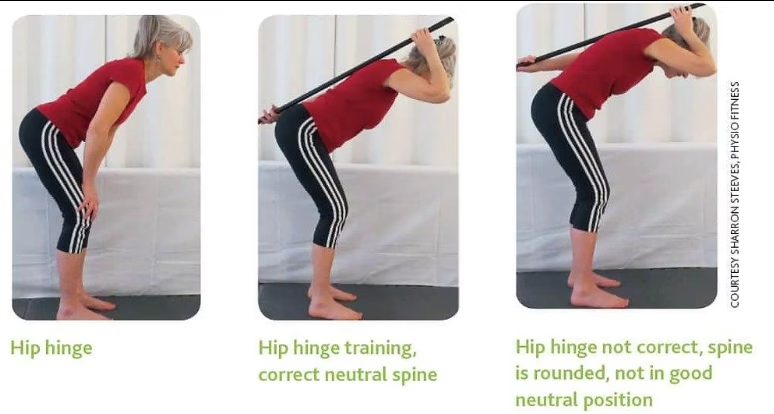
The hip hinge teaches you to bend through the hips instead of rounding the spine.
Benefits may include:
- Reduced stress on spinal structures
- Better lifting mechanics
- Improved glute activation
- Enhanced posture
How to Perform a Hip Hinge
- Stand with feet shoulder-width apart.
- Keep your chest lifted.
- Push your hips backward.
- Maintain a neutral spine.
- Return to standing.
Avoid rounding the lower back during the movement.
What Are the Best Home Exercises for Lower Back Pain?
1. Foundation Training Decompression Breathing
This exercise emphasizes:
- Spinal elongation
- Core activation
- Improved posture
Many people use it as part of a daily mobility routine.
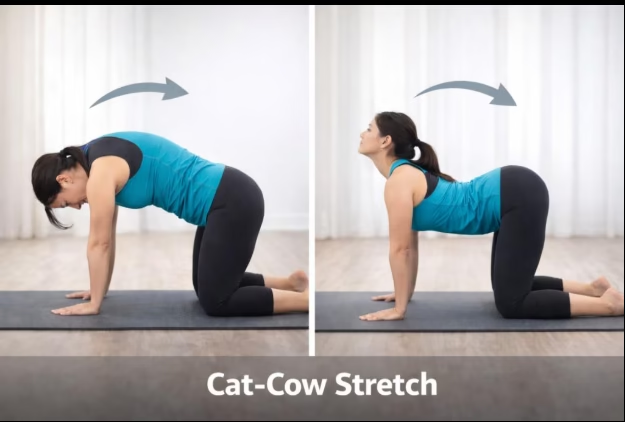
2. Cat-Cow Stretch
Benefits:
- Improves spinal mobility
- Reduces stiffness
- Promotes gentle movement
3. Bird Dog Exercise
Benefits:
- Core stability
- Improved balance
- Lower back support
4. Glute Bridges
Benefits:
- Strengthens glutes
- Supports pelvic alignment
- Reduces lower back strain
Does Sitting All Day Make Lower Back Pain Worse?
Direct Answer:
Extended sitting can contribute to lower back discomfort by increasing pressure on spinal discs and weakening supporting muscles.
How to Reduce Sitting-Related Back Pain
- Stand every 30–60 minutes.
- Use an ergonomic chair.
- Walk during breaks.
- Stretch hip flexors regularly.
- Strengthen core and glute muscles.
Even small increases in daily movement can make a meaningful difference.
Can Heat Therapy Relieve Lower Back Pain?
Direct Answer:
Heat therapy may help relax muscles and improve blood flow to painful areas.
Popular options include:
- Heating pads
- Warm showers
- Warm baths
- Heat wraps
Apply heat for approximately 15–20 minutes at a time.
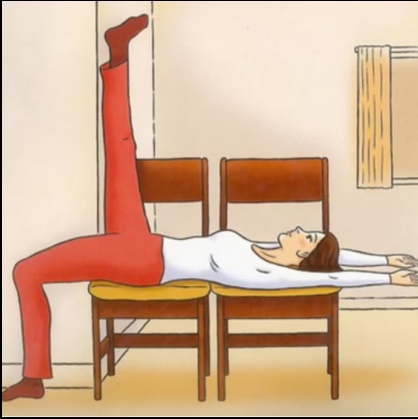
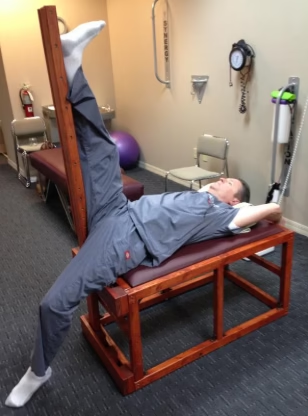
What About the Lajin Stretching Method?
The Lajin technique is a stretching practice promoted in some alternative health communities.
While some individuals report symptom relief, high-quality scientific evidence supporting Lajin specifically for chronic lower back pain remains limited.
For evidence-based care, prioritize:
- Physical therapy exercises
- Strength training
- Mobility work
- Postural correction
Always stop any stretch that causes sharp pain.
Which Lifestyle Changes Support Long-Term Back Health?
Maintain a Healthy Weight
Excess weight increases mechanical stress on the spine.
Improve Sleep Position
Many people find relief by:
- Sleeping on their side
- Placing a pillow between the knees
- Using a supportive mattress
Strengthen Core Muscles
Strong core muscles help stabilize the spine and reduce strain.
Manage Stress
Stress can increase muscle tension and pain perception.
Helpful options include:
- Walking
- Meditation
- Deep breathing
- Yoga
When Should You See a Doctor for Lower Back Pain?
Seek medical attention if you experience:
- Pain lasting more than six weeks
- Numbness or tingling
- Leg weakness
- Loss of bladder or bowel control
- Fever with back pain
- Unexplained weight loss
- Pain following an accident
These symptoms may indicate a more serious condition.
Frequently Asked Questions
What is the fastest home remedy for lower back pain?
Gentle movement, walking, and heat therapy often provide temporary relief for muscle-related back pain.
Is bed rest recommended for back pain?
Current guidelines generally recommend staying active rather than prolonged bed rest.
Does Foundation Training work?
Some people report benefits in posture and pain management, but more research is needed compared with established rehabilitation programs.
How often should I stretch for lower back pain?
Many physical therapists recommend daily stretching and mobility work, provided exercises do not worsen symptoms.
Can poor posture cause lower back pain?
Poor posture may contribute to muscle strain and discomfort over time, especially during prolonged sitting.
Conclusion
Lower back pain is one of the most common health complaints worldwide, but many cases respond well to conservative home management. Foundation Training, hip-hinge mechanics, daily movement, core strengthening, and heat therapy can all play a role in reducing discomfort and improving function.
Rather than searching for a quick fix, focus on building sustainable movement habits that support long-term spinal health. Consistency often delivers better results than short-term solutions.
igh-Authority External Links
- National Institute of Neurological Disorders and Stroke (NINDS)
- American Academy of Orthopaedic Surgeons (AAOS)
- National Institutes of Health (NIH)
- PubMed Research Database
- American Physical Therapy Association
- Mayo Clinic Back Pain Guide