
Reviewed by: Dr. Priya Nair, MD, RDN — Board-Certified Internal Medicine Physician and Registered Dietitian Nutritionist, 11 years clinical experience in immunology-informed nutrition care.
Author: Health & Nutrition Editorial Team — Content developed in consultation with licensed medical and nutrition professionals.
Medical Disclaimer: This article is for informational purposes only and is not a substitute for professional medical advice. No food or remedy “boosts” immunity in a way that prevents all illness. Consult your physician before starting new supplements, especially if you are pregnant, immunocompromised, or taking medication.
Quick Answer: No single food or remedy “boosts” immunity in a dramatic, switch-like way — immune function depends on a consistent pattern of adequate nutrients, sleep, and lifestyle factors working together over time. The foods and nutrients with the strongest research support for healthy immune function include vitamin C-rich produce, zinc, vitamin D, fermented foods, garlic, and adequate protein — each working through a specific, identifiable biological mechanism. This guide explains what the evidence actually supports, what mechanisms are involved, and which popular “immune-boosting” claims do not hold up to scrutiny.
Table of Contents
- What Does “Boosting Immunity” Actually Mean? (And What It Doesn’t)
- How Does Vitamin C Support Immune Function?
- Why Is Zinc Considered Essential for Immune Health?
- How Does Vitamin D Deficiency Affect Immunity?
- How Do Fermented Foods and Gut Health Influence Immunity?
- What Does the Research Say About Garlic and Allium Vegetables?
- Why Does Adequate Protein Intake Matter for Immune Function?
- 6 Popular “Immune-Boosting” Claims Not Supported by Evidence
- Beyond Food: The Lifestyle Factors That Matter Most for Immunity
- A Sample Day of Immune-Supportive Eating
- People Also Ask (FAQs)
- Content Cluster: Related Articles
1. What Does “Boosting Immunity” Actually Mean? (And What It Doesn’t)
Direct answer: A healthy immune system isn’t something you can “boost” beyond its normal optimal function — more immune activity is not always better and can even be harmful (as seen in autoimmune disease) — but specific nutrients and behaviors are well documented to support normal immune function and prevent the deficiencies that impair it.
Immunologists and dietitians increasingly push back on the marketing phrase “immune boosting” because it implies that more immune activation is always desirable. In reality, your immune system functions best in a state of balance — adequately responsive to real threats, without excessive or chronic activation (which itself drives inflammation and disease, as discussed in our companion article on anti-inflammatory diet).
According to the NIH Office of Dietary Supplements, the more accurate framing is nutritional adequacy — ensuring the body has the specific vitamins, minerals, and conditions it needs to mount a normal, healthy immune response, rather than supplements or foods providing immunity “above baseline.”
Clinical note from Dr. Priya Nair, MD, RDN: “Patients often want a single food or pill that will make them immune to getting sick. That’s not how immunology works. What the evidence actually supports is this: deficiencies in specific nutrients measurably impair immune function, and correcting those deficiencies restores normal function. That’s a more modest claim than ‘boosting,’ but it’s the one backed by real data.”
2. How Does Vitamin C Support Immune Function?
Direct answer: Vitamin C supports immune function by serving as an antioxidant that protects immune cells from oxidative damage and by directly supporting the production and function of white blood cells, though regular supplementation does not meaningfully prevent colds in most people — its primary evidence-based role is in maintaining normal immune function and modestly reducing illness duration.
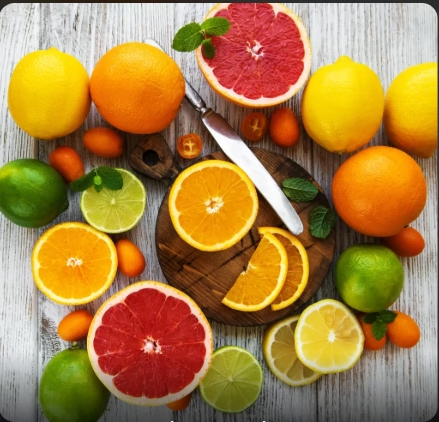
Citrus fruits and other vitamin C-rich produce support immune cell function and antioxidant protection.
The Evidence Base
A comprehensive Cochrane review found that routine vitamin C supplementation did not significantly reduce the incidence of colds in the general population, but did modestly reduce the duration and severity of symptoms in those who took it regularly — and showed a more meaningful preventive effect specifically in people under significant physical stress.
Mechanism explained: Vitamin C accumulates in immune cells (neutrophils, lymphocytes) at concentrations far higher than in blood plasma, where it supports several immune cell functions including chemotaxis (movement toward infection sites) and pathogen destruction, while also regenerating other antioxidants like vitamin E that protect cell membranes from oxidative damage during immune activity.
Best Food Sources of Vitamin C
| Food | Vitamin C per Serving |
|---|---|
| Red bell pepper (1 medium) | ~152 mg |
| Orange (1 medium) | ~70 mg |
| Kiwi (1 medium) | ~64 mg |
| Strawberries (1 cup) | ~89 mg |
| Broccoli (1 cup cooked) | ~101 mg |
The NIH recommended dietary allowance for vitamin C is 75–90mg/day for most adults — easily achievable through food alone, meaning supplementation offers little additional benefit for most well-nourished individuals.
3. Why Is Zinc Considered Essential for Immune Health?
Direct answer: Zinc is required for the development and function of nearly every type of immune cell, and even mild zinc deficiency — which is common, particularly among older adults and vegetarians — measurably impairs immune response, making adequate zinc intake one of the more consequential nutritional factors for immunity.
The Evidence Base
Research published in the Journal of Infectious Diseases and corroborated by multiple subsequent reviews has established that zinc deficiency significantly impairs both innate and adaptive immune responses. Separately, as discussed in our companion guide on cold and flu remedies, zinc lozenges started within 24 hours of cold symptom onset have evidence supporting modestly shorter illness duration.
Mechanism explained: Zinc is a required cofactor for numerous enzymes involved in immune cell development, and is particularly critical for T-cell function and the integrity of the thymus, the organ responsible for T-cell maturation. Zinc deficiency disproportionately affects T-cell-mediated immunity, which is why deficient individuals show increased susceptibility to infection.
Best Food Sources of Zinc
| Food | Zinc per Serving |
|---|---|
| Oysters (3 oz cooked) | ~32 mg |
| Beef (3 oz cooked) | ~7 mg |
| Pumpkin seeds (1 oz) | ~2.2 mg |
| Lentils (1 cup cooked) | ~2.5 mg |
| Chickpeas (1 cup cooked) | ~2.5 mg |
Note for plant-based eaters: Zinc from plant sources (legumes, seeds) is less bioavailable than from animal sources due to phytates that inhibit absorption; soaking, sprouting, or fermenting legumes can improve zinc bioavailability somewhat.
4. How Does Vitamin D Deficiency Affect Immunity?
Direct answer: Vitamin D receptors are present on nearly all immune cells, and deficiency — which affects an estimated 1 in 4 U.S. adults — is associated with increased susceptibility to respiratory infections, making vitamin D one of the more clinically significant nutrients for immune function, particularly for people with limited sun exposure.
The Evidence Base
A large meta-analysis published in The BMJ, pooling data from 25 randomized controlled trials, found that vitamin D supplementation modestly reduced the risk of acute respiratory infection, with the protective effect being most pronounced in individuals who were significantly deficient at baseline — supporting the “correcting deficiency” framework rather than a generalized “more is better” approach.
Mechanism explained: Vitamin D supports the production of antimicrobial peptides (such as cathelicidin) in immune cells and helps regulate the inflammatory response, preventing the kind of excessive immune activation that can itself cause tissue damage during infection.
Sources of Vitamin D
- Sunlight exposure — the primary natural source for most people, though affected by latitude, season, skin pigmentation, and sunscreen use
- Fatty fish (salmon, mackerel, sardines)
- Fortified foods (milk, some plant milks, some cereals)
- Egg yolks
- Supplementation — often necessary in winter months or for those with limited sun exposure; testing blood levels (25-hydroxyvitamin D) with a physician is the most reliable way to determine individual need
5. How Do Fermented Foods and Gut Health Influence Immunity?
Direct answer: Approximately 70% of the body’s immune cells are located in or near the gut, and a diverse gut microbiome — supported by fiber and fermented foods — plays a direct, measurable role in regulating immune system behavior throughout the entire body, not just in the digestive tract.

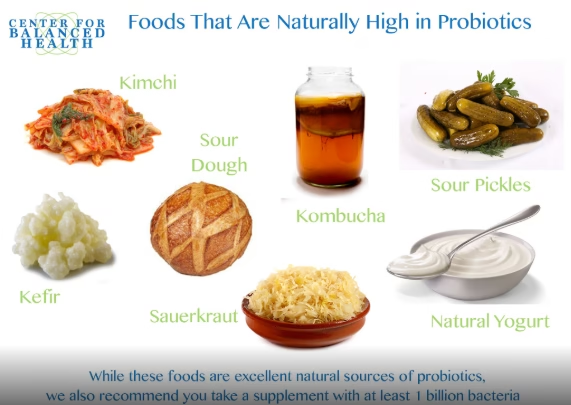
Fermented foods like yogurt and kefir support gut microbiome diversity, which plays a direct role in regulating immune function. Free stock photo.
The Evidence Base
A landmark study published in Cell (Stanford University researchers) found that participants who added fermented foods to their diet over 10 weeks showed measurable increases in microbiome diversity and reductions in multiple inflammatory markers — one of the more direct demonstrations that diet can influence immune-related markers through the gut.
Mechanism explained: Beneficial gut bacteria produce short-chain fatty acids (SCFAs), particularly butyrate, when fed adequate fiber. SCFAs strengthen the intestinal barrier (preventing inflammatory triggers from “leaking” into systemic circulation) and directly interact with immune cells in gut-associated lymphoid tissue (GALT), which houses the majority of the body’s immune cells.
Best Fermented Foods for Gut and Immune Health
- Yogurt with live, active cultures (check label)
- Kefir — typically contains a broader range of bacterial strains than yogurt
- Kimchi and sauerkraut — fermented vegetables with additional fiber benefit
- Miso and tempeh — fermented soy products
- Kombucha — fermented tea (note: contains some sugar and caffeine; check labels)
6. What Does the Research Say About Garlic and Allium Vegetables?
Direct answer: Garlic contains sulfur compounds with demonstrated antimicrobial and immune-modulating properties in laboratory studies, and limited clinical trial evidence suggests regular garlic consumption may reduce the frequency of common colds, though larger, more rigorous trials are still needed to confirm the effect size.
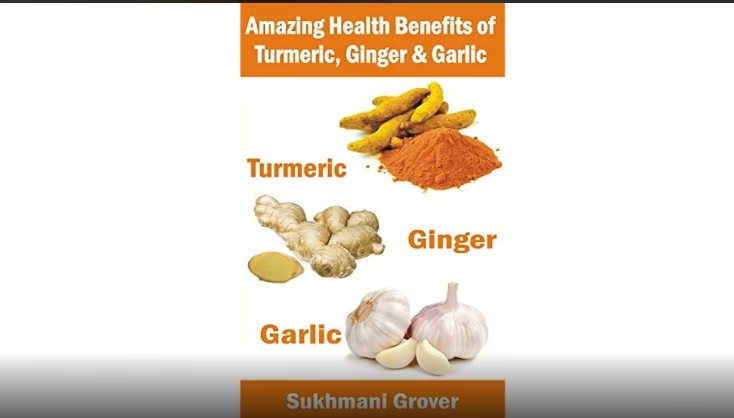
Garlic, ginger, and turmeric contain bioactive compounds studied for their immune-supportive and antimicrobial properties. Free stock photo.
The Evidence Base
A Cochrane review on garlic for preventing the common cold identified only one trial meeting rigorous inclusion criteria, which found a significant reduction in cold frequency among regular garlic consumers — but the review authors emphasized that the overall evidence base remains too limited to draw strong conclusions, and called for larger, better-designed trials.
Mechanism explained: Garlic’s key bioactive compound, allicin (formed when garlic is crushed or chopped), has demonstrated antimicrobial properties against a range of bacteria and some viruses in laboratory settings, and appears to modulate certain immune cell activities — though translating these laboratory findings into confirmed clinical benefit requires the kind of larger human trials the Cochrane review found lacking.
Other Allium Vegetables and Spices With Preliminary Evidence
- Ginger — anti-inflammatory and mild antimicrobial properties studied in laboratory and small clinical settings
- Onions — contain quercetin, an antioxidant compound studied for immune-related effects
- Turmeric (curcumin) — anti-inflammatory properties well documented; direct “immune boosting” claims are less rigorously established than its anti-inflammatory evidence
7. Why Does Adequate Protein Intake Matter for Immune Function?
Direct answer: Antibodies, immune signaling molecules, and immune cells themselves are built from protein, and inadequate protein intake — even moderate, chronic under-consumption — measurably impairs immune response, making protein one of the most foundational, if under-discussed, nutritional factors in immune health.
The Evidence Base
Research reviewed in the Journal of Nutrition has established that protein-energy malnutrition is one of the most common causes of secondary immunodeficiency worldwide, affecting antibody production, immune cell counts, and the integrity of physical immune barriers like skin and mucous membranes.
Practical target: Most healthy adults should aim for 0.8–1.2g of protein per kg of bodyweight daily at minimum, with higher intake reasonable for older adults, who absorb and utilize dietary protein less efficiently.
Best sources: Eggs, fish, poultry, legumes, dairy, tofu, and lean meats — distributed across meals rather than concentrated in one sitting, which appears to support more efficient utilization for tissue and immune cell synthesis.
8. 6 Popular “Immune-Boosting” Claims Not Supported by Evidence
Direct answer: Several heavily marketed “immune-boosting” products and claims — including most immune supplement blends, “detox” cleanses, IV vitamin drips for healthy individuals, and extreme elimination diets — lack meaningful clinical evidence of benefit beyond what a normal varied diet provides.
| Popular Claim | Why It’s Not Well Supported |
|---|---|
| Proprietary “immune support” supplement blends | Often combine ingredients at doses too low to match the studies they cite; FTC has taken enforcement action against unsubstantiated immune claims |
| “Detox” juice cleanses | No verified mechanism for removing toxins or enhancing immune function beyond normal liver/kidney function |
| IV vitamin drips for healthy individuals | No evidence of benefit over oral intake in people without a diagnosed deficiency or malabsorption issue; carries needle-related risks the oral route doesn’t |
| Megadosing any single vitamin | Immune function depends on adequate, not excessive, nutrient levels; some vitamins (A, especially) are toxic in excess |
| Elderberry as a guaranteed cold preventative | Some small trials suggest modest symptom reduction once ill, but evidence for prevention is weak and inconsistent across studies |
| Extreme elimination diets “to reset immunity” | No evidence supports this claim; extreme restriction can itself impair immune function through nutrient inadequacy |
Clinical note from Dr. Priya Nair, MD, RDN: “If a product claims to ‘supercharge’ or ‘turbocharge’ your immune system, that’s a marketing claim, not a clinical one. Be especially skeptical of supplements marketed during cold and flu season with urgency-driven language — that’s a sales pattern, not a scientific one.”
9. Beyond Food: The Lifestyle Factors That Matter Most for Immunity
Direct answer: Sleep, regular moderate exercise, stress management, and avoiding smoking and excessive alcohol have stronger, more consistent evidence for supporting immune function than most individual foods or supplements — diet matters, but it operates within this broader context.
- Sleep: A controlled study published in Sleep found participants sleeping fewer than 7 hours nightly were significantly more likely to develop a cold after controlled viral exposure than those sleeping 8+ hours
- Exercise: Regular moderate exercise is associated with improved immune surveillance, while both extreme inactivity and excessive, unrecovered training can impair immune function
- Stress management: Chronic stress elevates cortisol, which suppresses several aspects of immune function over time; this is explored in depth in our companion article on stress management
- Avoiding smoking: Smoking damages the respiratory tract’s physical immune barriers and impairs multiple immune cell functions
- Moderating alcohol: Excessive alcohol intake measurably impairs immune response and gut barrier integrity
10. A Sample Day of Immune-Supportive Eating
| Meal | Example | Key Nutrients |
|---|---|---|
| Breakfast | Greek yogurt with berries and pumpkin seeds | Probiotics, vitamin C, zinc, protein |
| Lunch | Lentil soup with garlic, ginger, and leafy greens | Zinc, allicin, vitamin C, protein, fiber |
| Snack | Orange and a small handful of almonds | Vitamin C, vitamin E, healthy fats |
| Dinner | Baked salmon, roasted broccoli, sweet potato | Vitamin D, omega-3, vitamin C, protein |
| Evening (optional) | Small glass of kefir or herbal tea with honey | Probiotics, soothing/comfort properties |
This is illustrative, not prescriptive — the broader pattern (variety, adequate protein, plenty of plants, some fermented foods) matters more than precisely replicating any single day.
11. People Also Ask (FAQs)
What foods boost your immune system the fastest?
No food produces an immediate immune effect — immune function depends on consistent nutrient adequacy over time, not single meals. That said, correcting an existing deficiency (in zinc or vitamin D, for example) can improve impaired immune function relatively quickly, sometimes within days to a few weeks, depending on the severity of the deficiency.
Can you actually “boost” your immune system, or just support it?
“Support” is the more medically accurate framing. Immunologists generally avoid “boost” because it implies pushing immune activity above its normal optimal level, which is not always beneficial and can contribute to autoimmune or inflammatory problems. The evidence supports correcting deficiencies and maintaining healthy baseline function, not enhancing immunity beyond normal.
What vitamin deficiency most commonly weakens immunity?
Vitamin D deficiency is extremely common — affecting an estimated 1 in 4 U.S. adults according to NIH data — and has some of the most consistent research linking deficiency to increased respiratory infection risk. Zinc deficiency, while less common in developed countries, has similarly strong evidence when present.
Do immune-boosting supplements actually work?
Supplements that correct a genuine, diagnosed deficiency (such as vitamin D or zinc in a deficient individual) have real evidence of restoring normal immune function. Broad “immune support” supplement blends marketed to the general healthy population have much weaker evidence, and some contain ingredients at doses too low to match the research they reference. Testing for specific deficiencies with a physician is more useful than guessing with a multi-ingredient supplement.
Does sugar weaken the immune system?
Some research suggests that high sugar intake may modestly and temporarily impair certain immune cell functions, though the body of evidence is smaller and less consistent than for nutrients like vitamin D, zinc, and protein. High sugar intake is more clearly linked to chronic conditions (obesity, type 2 diabetes, inflammation) that independently impair long-term immune health, making moderation reasonable advice even without a fully settled direct mechanism.
How long does it take to improve immune function through diet?
If addressing a specific deficiency, measurable immune improvements can occur within a few weeks of correcting that deficiency. Broader dietary pattern changes (increasing fiber, fermented foods, varied produce) tend to show gut microbiome changes within 2–4 weeks, with associated immune marker changes following a similar or slightly longer timeline based on current research.
12. Content Cluster: Related Articles
Related Articles
- How to Reduce Inflammation Through Diet: The Evidence-Based Guide
- How Your Gut Microbiome Controls Sleep: The Science Behind Better Rest and Better Health
- Natural Remedies for Better Sleep and Insomnia Relief
- How to Build a No-Equipment Home Workout Routine for Busy Professionals
- Home Remedies for Lower Back Pain Relief: Evidence-Based Exercises, Stretches, and Daily Habits
- Top Dermatologist-Approved Skin Care Home Remedies for Acne, Eczema, and Dry Skin
Key Takeaways
- “Boosting” immunity is a marketing concept, not a precise medical one — the evidence supports correcting nutrient deficiencies and maintaining healthy baseline function, not enhancing immunity beyond normal.
- Vitamin C, zinc, and vitamin D have the strongest, most specific evidence among individual nutrients — each through a clearly identified biological mechanism.
- Gut health and immune health are deeply linked — fermented foods and fiber support the microbiome that houses most of the body’s immune cells.
- Garlic and allium vegetables show promising laboratory evidence, but clinical trial data remains limited — reasonable to include, not a guaranteed preventative.
- Protein is foundational and often overlooked — antibodies and immune cells are literally built from dietary protein.
- Skip the “detox” and IV drip marketing — these lack clinical support for healthy individuals and sometimes carry their own risks.
- Sleep, exercise, and stress management have evidence as strong as or stronger than most individual foods — immune health is a whole-lifestyle outcome, not a single-ingredient one.
Last reviewed: June 2026 by Dr. Priya Nair, MD, RDN
Sources: NIH Office of Dietary Supplements, Cochrane Reviews (vitamin C, garlic), The BMJ (vitamin D meta-analysis), Cell (Stanford fermented foods study), Journal of Infectious Diseases, Journal of Nutrition, Sleep (journal), FTC supplement marketing guidance
This article is for informational and educational purposes only and does not constitute medical advice. Please consult a qualified healthcare professional or registered dietitian before starting new supplements or making significant dietary changes, particularly if you are pregnant, immunocompromised, or taking medication.