
Did you know that more than 90% of adults don’t consume enough fiber each day? Despite being one of the most important nutrients for digestive and overall health, fiber is often missing from modern diets dominated by processed foods.
Eating more high-fiber foods can improve digestion, support healthy gut bacteria, stabilize blood sugar, lower cholesterol, help with weight management, and reduce the risk of chronic diseases.
Whether you’re trying to relieve constipation, improve gut health, or simply eat healthier, this complete guide explains everything you need to know about fiber and the best foods to include in your daily meals.
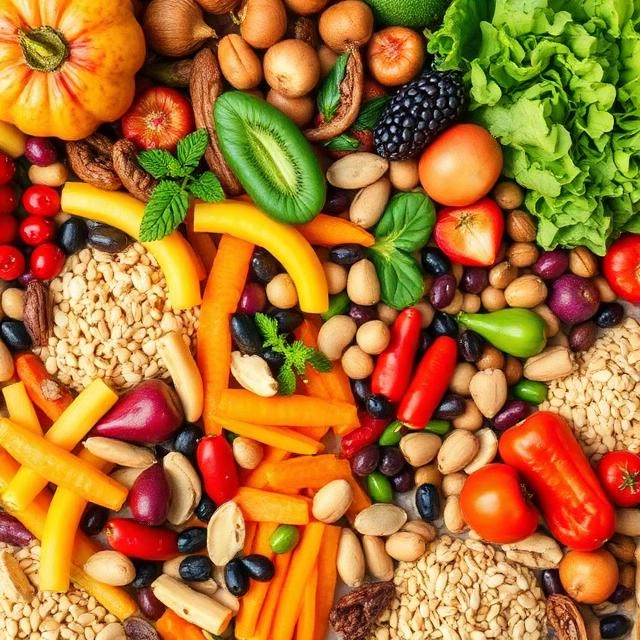
What Is Dietary Fiber?
Dietary fiber is a type of carbohydrate found in plant foods that your body cannot fully digest. Instead of being broken down into sugar, fiber moves through your digestive system where it supports healthy digestion and feeds beneficial gut bacteria.
Unlike refined carbohydrates, fiber slows digestion and provides lasting health benefits.
Why Is Fiber Important?
Adding more fiber-rich foods to your diet may help:
✅ Improve digestion
✅ Prevent constipation
✅ Support healthy gut bacteria
✅ Lower LDL (“bad”) cholesterol
✅ Improve heart health
✅ Control blood sugar
✅ Support healthy weight management
✅ Reduce hunger
✅ Improve colon health
✅ Lower risk of Type 2 diabetes
Health Benefits of High-Fiber Foods
1. Improves Gut Health
Fiber acts as food for beneficial bacteria living inside your intestines.
These bacteria produce short-chain fatty acids (SCFAs) that support:
- Strong intestinal lining
- Healthy immune function
- Reduced inflammation
- Better nutrient absorption
A healthy gut microbiome has also been linked to improved mood and brain health.
2. Prevents Constipation
Insoluble fiber adds bulk to stool while soluble fiber absorbs water to soften it.
Together they promote:
- Easier bowel movements
- Regular digestion
- Reduced bloating
- Better colon health
3. Helps Lower Cholesterol
Soluble fiber binds with bile acids and cholesterol inside the digestive tract.
This helps lower LDL cholesterol and supports cardiovascular health.
4. Supports Weight Loss
High-fiber foods:
- Increase fullness
- Slow stomach emptying
- Reduce cravings
- Help control calories naturally
Many nutrition experts recommend increasing fiber before trying restrictive diets.
5. Helps Balance Blood Sugar
Fiber slows carbohydrate digestion, helping prevent sharp spikes in blood glucose after meals.
This makes high-fiber foods especially beneficial for people with insulin resistance or Type 2 diabetes.
Soluble vs Insoluble Fiber
Soluble Fiber
Dissolves in water to form a gel.
Benefits
- Lowers cholesterol
- Controls blood sugar
- Feeds gut bacteria
- Promotes fullness
Best Sources
- Oats
- Apples
- Beans
- Lentils
- Citrus fruits
- Blueberries
- Flaxseed
Insoluble Fiber
Does not dissolve in water.
Benefits
- Promotes regular bowel movements
- Prevents constipation
- Supports colon health
Best Sources
- Whole wheat
- Brown rice
- Nuts
- Seeds
- Broccoli
- Carrots
- Green beans
How Much Fiber Do You Need?
| Age | Daily Fiber |
|---|---|
| Women (19–50) | 25 g |
| Men (19–50) | 38 g |
| Women (50+) | 21 g |
| Men (50+) | 30 g |
Unfortunately, the average American consumes only 15–16 grams of fiber daily.
25 Best High-Fiber Foods
🫘 Legumes
| Food | Fiber |
|---|---|
| Split Peas | 16 g |
| Lentils | 15.5 g |
| Black Beans | 15 g |
| Kidney Beans | 13 g |
| Chickpeas | 12 g |
🥑 Fruits
| Food | Fiber |
|---|---|
| Avocado | 10 g |
| Raspberries | 8 g |
| Pear | 6 g |
| Apple (with skin) | 4.5 g |
| Orange | 3 g |
🥦 Vegetables
| Food | Fiber |
|---|---|
| Artichoke | 10 g |
| Brussels Sprouts | 6 g |
| Sweet Potato | 6 g |
| Broccoli | 5 g |
| Carrots | 4 g |
🌾 Whole Grains
| Food | Fiber |
|---|---|
| Oats | 5 g |
| Quinoa | 5 g |
| Brown Rice | 3.5 g |
| Barley | 6 g |
🌰 Nuts & Seeds
| Food | Fiber |
|---|---|
| Chia Seeds | 10 g |
| Flaxseed | 8 g |
| Almonds | 3.5 g |
| Pistachios | 3 g |
Best Prebiotic Foods
These foods feed healthy gut bacteria naturally.
- Garlic
- Onion
- Leeks
- Chicory Root
- Jerusalem Artichokes
- Asparagus
- Bananas
- Oats
Easy Ways to Eat More Fiber
✔ Add berries to breakfast
✔ Eat oatmeal daily
✔ Replace white bread with whole grain
✔ Snack on fruit
✔ Add beans to salads
✔ Sprinkle chia seeds into smoothies
✔ Eat vegetables at every meal
✔ Choose popcorn instead of chips
Increase Fiber Slowly
Increasing fiber too quickly may cause:
- Gas
- Bloating
- Stomach cramps
Instead:
- Increase by 3–5 grams every few days
- Drink plenty of water
- Stay physically active
High-Fiber Meal Plan
Breakfast
Oatmeal + blueberries + chia seeds
Fiber: 15 g
Lunch
Lentil soup with whole-grain bread
Fiber: 18 g
Snack
Apple with almond butter
Fiber: 7 g
Dinner
Grilled salmon with broccoli and quinoa
Fiber: 10 g
Daily Total: 50 grams
Frequently Asked Questions
What food has the most fiber?
Split peas, lentils, black beans, chia seeds, and artichokes are among the richest natural sources of fiber.
Can too much fiber be harmful?
Yes. Suddenly increasing fiber intake without enough water may lead to bloating, gas, or constipation.
Which fiber is best for constipation?
A combination of soluble and insoluble fiber, along with adequate hydration, generally works best.
Is fiber good for weight loss?
Yes. High-fiber foods help you feel full longer and may reduce overall calorie intake.
Are fiber supplements as good as food?
Supplements can help when needed, but whole foods provide additional vitamins, minerals, antioxidants, and other beneficial plant compounds.
Conclusion
Adding more high-fiber foods to your diet is one of the simplest and most effective ways to improve digestive health, support your gut microbiome, protect your heart, and maintain a healthy weight. Start gradually, drink plenty of water, and focus on a variety of fiber-rich fruits, vegetables, legumes, whole grains, nuts, and seeds. Small daily changes can lead to lasting improvements in your overall health.
FAQ Schema
- What are high-fiber foods?
- How much fiber should adults eat daily?
- Which fruits are highest in fiber?
- What vegetables contain the most fiber?
- Can fiber help with weight loss?
- Is too much fiber harmful?
Author
By FutureSmartLiving Editorial Team
Medical Disclaimer
Disclaimer: This article is for educational purposes only and should not be considered medical advice. Always consult a qualified healthcare professional or registered dietitian before making significant dietary changes, especially if you have digestive disorders, kidney disease, inflammatory bowel disease (IBD), or other medical conditions.
Recommended External Resources
- Harvard T.H. Chan School of Public Health – Fiber
- Mayo Clinic – High-Fiber Foods Chart
- Academy of Nutrition and Dietetics – Fiber
- American Heart Association – Dietary Fiber
Recommended Internal Links
- Foods and Remedies That Naturally Boost Immunity: The Evidence-Based Guide
- 10 Best Massagers 2026: Leg, Back, Foot & Massage Guns
- Home Remedies for Lower Back Pain Relief: Evidence-Based Exercises, Stretches, and Daily Habits
- Top Dermatologist-Approved Skin Care Home Remedies for Acne, Eczema, and Dry Skin
- Home Remedies for Cold and Flu Symptoms: The Evidence-Based Guide
- How Your Gut Microbiome Controls Sleep: The Science Behind Better Rest and Better Health