
Vitamin B12 Deficiency: Symptoms, Causes, Diagnosis & Treatment Guide
Kumar G is the founder of Future Smart Living, sharing expert-backed content on health, wellness, technology, personal finance, and smart living. His goal is to provide practical, trustworthy guides that help readers live healthier, smarter, and more informed lives.
Vitamin B12 deficiency is a global health issue that often hides in plain sight. Also known as cobalamin, this essential nutrient acts as the “master key” for DNA synthesis, red blood cell production, and a healthy nervous system.
The danger lies in its subtlety. Symptoms of vitamin B12 deficiency can take years to appear, and by the time they do, permanent neurological damage may already be underway. Making matters worse, standard blood tests frequently come back “normal” even while a person is experiencing real, cellular-level depletion.
This guide breaks down every major warning sign, explains why your doctor might miss it, and walks through exactly how to diagnose and treat it safely.
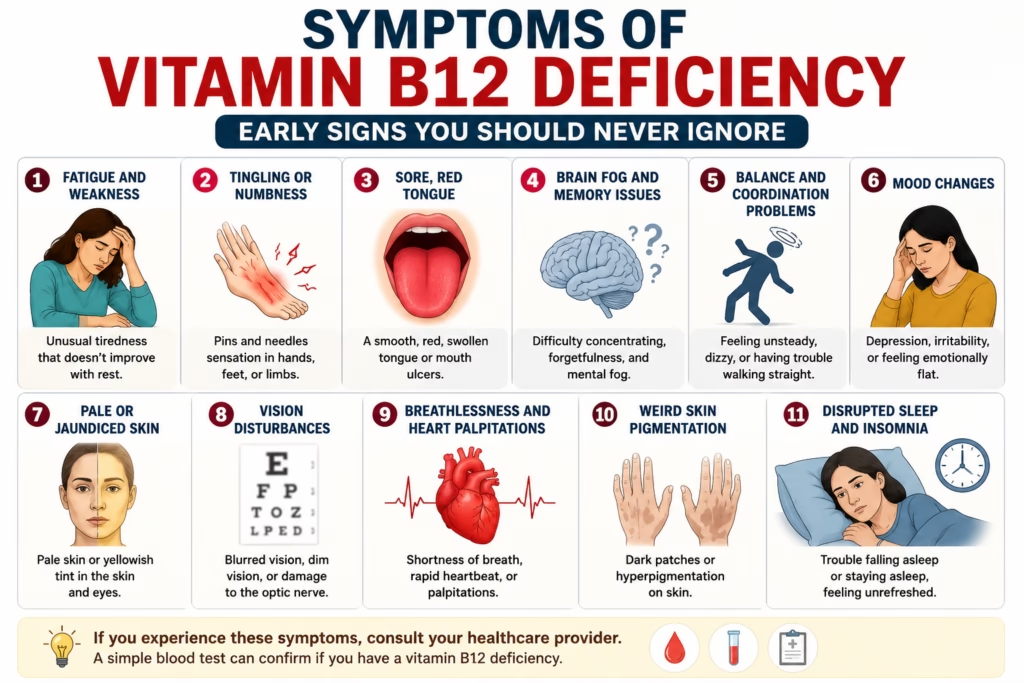
Table of Contents
- Why Vitamin B12 Matters
- 11 Warning Signs of Vitamin B12 Deficiency
- Causes of Vitamin B12 Deficiency
- Why Standard Tests Often Miss It
- Who’s at Highest Risk
- How to Treat a B12 Deficiency
- Recommended B12 Supplement
- FAQ
Why Vitamin B12 Matters {#why-vitamin-b12-matters}
Vitamin B12 acts as a co-factor in two critical processes: myelin synthesis and DNA replication.
- The Myelin Sheath: This is the protective coating surrounding every nerve fiber in your body. Without adequate B12, myelin breaks down, causing electrical signals in the brain and body to distort or fail entirely.
- Red Blood Cell Production: B12 works alongside folate to help blood cells divide properly. A deficiency can lead to “megaloblastic anemia,” a condition where red blood cells become abnormally large, fragile, and unable to carry oxygen efficiently.
Because B12 touches so many systems at once — nerves, blood, brain, and mood — a deficiency rarely shows up as just one symptom. It tends to show up as a cluster of seemingly unrelated complaints, which is exactly why it’s so often missed.
11 Warning Signs of Vitamin B12 Deficiency {#11-warning-signs}
1. Systemic Fatigue and “Heaviness”
Unlike ordinary tiredness, B12-related fatigue feels like a physical, cognitive, and emotional heaviness that sleep doesn’t fix. This happens because your blood can no longer carry enough oxygen to your tissues.
2. The “Pins and Needles” Sensation
Known medically as paresthesia, this is one of the earliest and most specific neurological signs. It typically feels like tingling, numbness, or a buzzing sensation in the hands and feet, often symmetrical on both sides of the body.
3. “Beefy” or Smooth Tongue (Glossitis)
A healthy tongue has a slightly bumpy texture from its papillae. In B12 deficiency, these bumps atrophy, leaving the tongue red, smooth, shiny, and often painful. Mouth ulcers or a burning sensation can accompany this.
4. Cognitive Decline and “Brain Fog”
B12 deficiency can mimic early dementia or Alzheimer’s disease. Common symptoms include forgetfulness, word-finding difficulty, and general mental sluggishness — frequently driven by a buildup of homocysteine, a toxic byproduct that damages brain tissue when B12 is too low.
5. Balance and Coordination Issues
If you feel unsteady in the dark or catch yourself watching your feet while walking, the “dorsal columns” of your spinal cord may already be demyelinating. This loss of proprioception — your sense of where your body is in space — is a more advanced symptom and warrants prompt medical attention.
6. Mood Changes (Depression and Irritability)
B12 plays a direct role in producing serotonin and dopamine, the brain’s primary mood-regulating chemicals. Low B12 levels are linked to depression, irritability, and a flat, disconnected emotional state.
7. Pale or Jaundiced Skin
When B12-deficient red blood cells break down prematurely, they release bilirubin, which can give the skin or the whites of the eyes a subtle yellow tint. General paleness is also common.
8. Vision Disturbances
Left untreated, a deficiency can damage the optic nerve, leading to blurred or dimmed central vision — a condition known as optic neuropathy. The good news: this is often reversible once B12 levels are restored.
9. Breathlessness and Heart Palpitations
Because oxygen-depleted blood forces the heart to work harder, low B12 can cause a racing heartbeat or shortness of breath even after minimal physical exertion.
10. Unusual Skin Pigmentation
Some people develop hyperpigmentation — darkened patches — on the backs of the hands, the knuckles, or the creases of the palms. Others may notice the opposite: pale patches appearing on the skin.
11. Disrupted Sleep and Insomnia
B12 plays a role in producing melatonin, the hormone that regulates your sleep-wake cycle. A deficiency can leave you exhausted yet unable to stay asleep through the night.
Causes of Vitamin B12 Deficiency {#causes}
Vitamin B12 deficiency generally develops in one of three ways:
- Not getting enough from food — B12 occurs naturally only in animal products, so diets low in meat, fish, eggs, and dairy carry a higher risk.
- Trouble absorbing B12 — Even with adequate dietary intake, the body needs sufficient stomach acid and a protein called “intrinsic factor” to actually absorb B12. Aging, certain medications, and autoimmune conditions can all interfere with this step.
- Increased need or loss — Pregnancy, certain gut surgeries, and some chronic conditions can increase how much B12 the body requires or loses.
Why Standard Tests Often Fail {#diagnosis}
The standard serum B12 blood test measures total B12 circulating in the blood — but a large portion of that B12 is bound to proteins that can’t actually deliver it into your cells. This means it’s entirely possible to receive a “normal” lab result (often in the 200–400 pg/mL range) while still experiencing a real, functional deficiency at the cellular level.
Tests worth asking your doctor for instead:
- Methylmalonic Acid (MMA): This marker rises specifically when B12 is genuinely low inside the cells, making it far more sensitive than a standard serum test.
- Homocysteine: Elevated levels indicate the body isn’t processing B12 (or folate) correctly, even if serum B12 looks adequate.
Who’s at Highest Risk? {#risk-groups}
- Adults over 50: Stomach acid naturally declines with age, making it harder to extract B12 from food.
- Vegans and vegetarians: B12 occurs naturally only in animal products such as meat, fish, eggs, and dairy.
- Metformin users: This widely prescribed diabetes medication is known to interfere with B12 absorption over time.
- Antacid or PPI users: Medications like omeprazole or esomeprazole reduce the stomach acid required to release B12 from food.
- People with pernicious anemia: An autoimmune condition in which the body attacks intrinsic factor, the protein needed to absorb B12.
How to Treat a B12 Deficiency {#treatment}
If you suspect a deficiency, don’t just grab a random multivitamin and hope for the best — a targeted approach works far better.
- Dietary sources: Prioritize B12-rich foods such as beef liver, clams, salmon, eggs, and yogurt.
- Supplements: Look for methylated B12 (methylcobalamin) or adenosylcobalamin, which many people absorb more easily than standard cyanocobalamin.
- Injections: For people whose gut can’t absorb B12 well — due to age, prior surgery, or medication interactions — B12 injections bypass digestion entirely and are often the most effective option.
- Support stomach acid: Some practitioners suggest apple cider vinegar before meals to help lower stomach pH and support natural B12 absorption, though evidence here is more anecdotal than clinical.
Important: Always consult a healthcare professional before starting high-dose B12 therapy, especially if you’re on other medications or have an existing health condition.
Recommended B12 Supplement {#recommended-supplement}
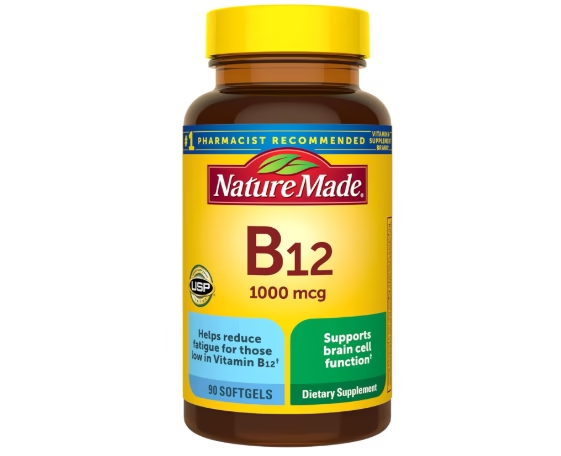
If you and your doctor decide supplementation is the right path, a widely used, well-reviewed option is:
Nature Made Vitamin B12 1000 mcg, Dietary Supplement for Energy Metabolism Support, 90 Softgels (90 Day Supply)
- USP Verified for ingredient quality and potency
- Gluten-free, with no artificial colors or flavors added
- One softgel daily supports energy metabolism, red blood cell formation, and nervous system function
- From the #1 pharmacist-recommended vitamin and supplement brand*
👉 Check Current Price on Amazon →
As an Amazon Associate, this site may earn from qualifying purchases. This does not affect the price you pay. *Based on a survey of pharmacists who recommend branded vitamins and supplements. These statements have not been evaluated by the FDA; this product is not intended to diagnose, treat, cure, or prevent any disease.
Frequently Asked Questions {#faq}
What is the fastest way to fix a vitamin B12 deficiency? For people with absorption issues, B12 injections typically raise levels fastest since they bypass the digestive system entirely. For diet-related deficiency, high-dose oral methylcobalamin supplements combined with B12-rich foods can also work well over several weeks.
Can vitamin B12 deficiency be reversed? In most cases, yes. Blood-related symptoms like fatigue and pale skin often improve within days to weeks of treatment. Neurological symptoms — tingling, balance issues, cognitive fog — can take longer to resolve and, if left untreated for years, may not fully reverse.
What foods are highest in vitamin B12? Beef liver, clams, and other shellfish are among the richest natural sources, followed by fish like salmon and trout, eggs, and dairy products such as yogurt and milk.
Can you have a B12 deficiency with a “normal” blood test? Yes. Standard serum B12 tests can miss functional deficiency at the cellular level. If you have symptoms despite a “normal” result, ask your doctor about methylmalonic acid (MMA) and homocysteine testing.
Who should not take vitamin B12 supplements without medical advice? Anyone who is pregnant, nursing, taking prescription medications, or managing a chronic medical condition should consult a healthcare professional before starting any new supplement, including B12.
Related Articles
- How to Reduce Inflammation Through Diet: The Evidence-Based Guide
- How Your Gut Microbiome Controls Sleep: The Science Behind Better Rest and Better Health
- Natural Remedies for Better Sleep and Insomnia Relief
- How to Build a No-Equipment Home Workout Routine for Busy Professionals
- Lymphatic Drainage: The Complete Guide to Boosting Your Immune System Naturally
External Resources for Further Reading
- National Institutes of Health (NIH) — Vitamin B12 Fact Sheet
- Mayo Clinic — Vitamin B12 Information
- Harvard Health — The Dangers of B12 Deficiency
Disclaimer: This article is for general informational and educational purposes only and is not a substitute for professional medical advice, diagnosis, or treatment. Always seek the advice of a qualified healthcare provider with any questions regarding a medical condition. This post may contain affiliate links, for which we may earn a commission at no extra cost to you.