
Bed Bug Bite Symptoms: How to Identify, Treat & Get Rid of Them for Good
Waking up with itchy, red welts can be both a physical and psychological nightmare. Contrary to popular belief, bed bug bite symptoms are not a sign of poor hygiene — these pests are drawn to human warmth and carbon dioxide, not dirt. Whether you encountered them while traveling or brought them home in secondhand furniture, knowing how to identify and eradicate them is essential.
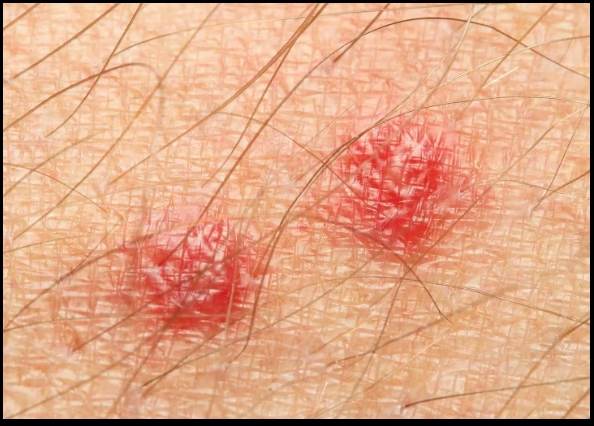
Table of Contents
- How to Identify Bed Bug Bite Symptoms
- 7 Early Signs of an Infestation
- Effective Treatments for Bed Bug Bites
- How to Get Rid of Bed Bugs for Good
- Prevention Tips for Travelers
- Recommended Products
- FAQ
How to Identify Bed Bug Bite Symptoms {#identify-bites}
Bed bug bites are often difficult to distinguish from mosquito or flea bites, even for doctors. That said, there are some recognizable patterns worth checking for:
- The “breakfast, lunch, and dinner” pattern: Bites frequently appear in small clusters or a linear/zigzag row of three to five.
- Location: They typically occur on skin exposed during sleep — the face, neck, arms, hands, and legs.
- Appearance: Raised, reddish bumps or welts, sometimes with a tiny red puncture mark (punctum) visible at the center.
- Reaction time: Symptoms can appear anywhere from a few hours to 14 days after the initial bite. Notably, up to 30% of people show no visible reaction at all, which can make early detection harder.
7 Early Signs of an Infestation {#early-signs}
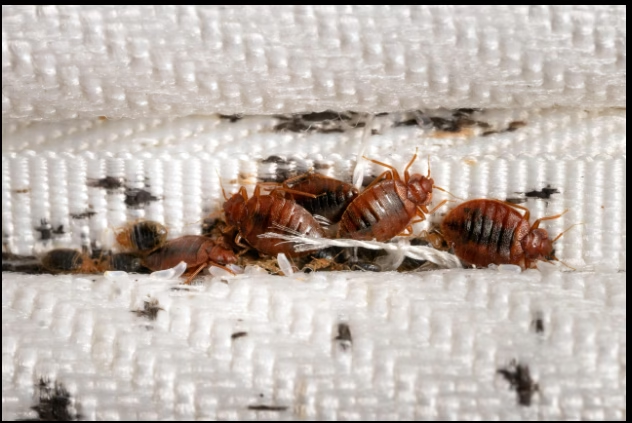
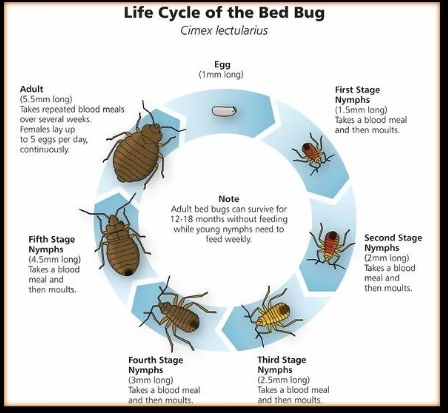
If you suspect bed bugs, don’t wait for bites to multiply — inspect your sleeping area for these indicators:
- Live bugs: Adult bed bugs are reddish-brown, flat, oval-shaped, and roughly the size of an apple seed.
- Blood stains: Small red spots on sheets or pillows from a bug being crushed during sleep.
- Fecal spotting: Tiny dark brown or black dots (digested blood) that resemble ink marks from a pen.
- Exoskeletons: Translucent, tan-colored shells left behind as juvenile bugs molt.
- Eggs: Pearly white, oval-shaped eggs roughly the size of a pinhead or a grain of rice.
- Musty odor: A faint, sweet, or musty smell released by bed bug pheromones, sometimes compared to rust or damp towels.
- Hidden refugia: Check mattress seams, bed frame joints, behind headboards, and even inside electrical outlets near the bed.
Effective Treatments for Bed Bug Bites {#treating-bites}
While bed bugs aren’t known to transmit disease, their bites can cause intense itching and secondary skin infections from scratching.
- Immediate care: Wash the affected area with mild soap and water to reduce infection risk.
- Itch relief: Over-the-counter hydrocortisone cream or oral antihistamines can help manage itching.
- Home remedies: Ice or cold packs can numb the skin and interrupt the itch sensation. Baking soda paste, aloe vera, and witch hazel are other commonly used options.
- When to see a doctor: Seek medical attention if you notice signs of infection (pus, spreading redness, fever) or symptoms of a severe allergic reaction such as anaphylaxis.
How to Get Rid of Bed Bugs for Good {#eradication}
Eradication requires a structured, step-by-step approach. Professional pest control is often recommended for confirmed infestations, but these offensive and defensive steps make a real difference:
- The power of heat: Bed bugs and their eggs die almost instantly at 122°F (50°C). Wash and dry all bedding and clothing on the highest heat setting for at least 30 minutes.
- Steam treatment: A garment steamer can be used directly on mattress seams, sofas, and crevices where bugs hide, since high heat penetrates fabric folds that sprays often miss.
- Mattress encasements: A bed bug-proof cover traps any existing bugs inside and blocks new ones from entering. Keep the encasement on for at least 400 days, since bed bugs can survive over a year without feeding in cool environments.
- Diatomaceous earth: Crushed fossilized shells that dehydrate bugs on contact. Apply a light dusting around bed legs and in cracks.
- Vacuum regularly: Vacuuming floors and furniture seams physically removes bugs and eggs. Empty the canister into a sealed bag and dispose of it outside immediately afterward.
Prevention Tips for Travelers {#prevention}
Travel remains the most common way bed bugs spread from place to place.
- Inspect your room: Before unpacking, check mattress corners and behind the headboard.
- Use the luggage rack: Avoid placing your suitcase on the bed or floor — keep it on a raised rack, or even in the bathtub if no rack is available.
- Post-travel protocol: Upon returning home, immediately wash and dry all travel clothing on high heat before it touches other laundry.
Recommended Products {#recommended-products}
The tools below map directly to the heat, encasement, and vacuuming strategies covered above.
1. Jack & Rose Travel Steamer for Clothes (2-in-1 Steamer & Iron)

A compact, dual-voltage (100-220V) handheld steamer with a 15-second heat-up time and a large ceramic heat panel — well-suited for steaming mattress seams, sofa crevices, and luggage after travel, and small enough to pack for hotel-room inspections too.
2. Utopia Bedding King Size Mattress Protector (Zippered, 6-Sided Encasement)
A fully zippered, 100% waterproof, 6-sided mattress encasement designed specifically to trap existing bed bugs inside and block new ones from entering — the exact tool referenced in the “mattress encasements” strategy above.

3. Bissell 2033M Featherweight Stick Vacuum with Crevice Tool
A lightweight (under 4 lbs), bagless stick vacuum that converts into a handheld vacuum with a dedicated crevice tool — ideal for reaching mattress seams, baseboards, and furniture joints where bed bugs commonly hide.

Frequently Asked Questions {#faq}
How can I tell the difference between bed bug bites and mosquito bites? Bed bug bites often appear in small clusters or a linear row of three to five, typically on skin exposed during sleep, whereas mosquito bites tend to be more randomly scattered and can appear on any exposed skin at any time of day.
Do bed bugs mean my home is dirty? No. Bed bugs are attracted to human warmth and carbon dioxide, not dirt or clutter, and can infest even the cleanest homes and hotels.
How long can bed bugs survive without feeding? In cool environments, bed bugs can survive over a year without a blood meal, which is why mattress encasements are recommended to stay on for at least 400 days.
What temperature kills bed bugs? Bed bugs and their eggs die almost instantly at 122°F (50°C), which is why washing and drying bedding and clothing on the highest heat setting for at least 30 minutes is one of the most effective home treatments.
Should I hire a professional exterminator for bed bugs? For confirmed or widespread infestations, professional pest control is generally recommended, since bed bugs can hide deep in structural cracks that home treatments may not fully reach. DIY methods work best for early-stage infestations or as a supplement to professional treatment.
External Resources for Further Reading
- CDC — Bed Bug FAQs
- National Pest Management Association — All Things Bed Bugs
- EPA — Bed Bug Prevention and Control
Suggested Internal Links
- Top 10 Highest-Rated Smart Home Lighting Products on Amazon (2026)
- 10 Best Massagers 2026: Leg, Back, Foot & Massage Guns
- Top 10 Best-Selling Smartphones 2026: Full Buying Guide & Comparison
- Top 10 Best-Selling Health Supplements on Amazon
- Best Air Fryers & Healthy Cooking Gadgets on Amazon (2026 Buyer’s Guide)
- Kitchen Tools Every Home Needs: 5 Must-Have Essentials for Faster, Easier Cooking
Disclaimer: This article is for general informational purposes only and is not a substitute for professional pest control advice. For confirmed or severe infestations, consult a licensed pest control professional.