
Grow Fresh Vegetables, Herbs & Fruits All Year—Even in Small Spaces
Indoor and Outdoor Gardening: The Complete Year-Round Growing Guide
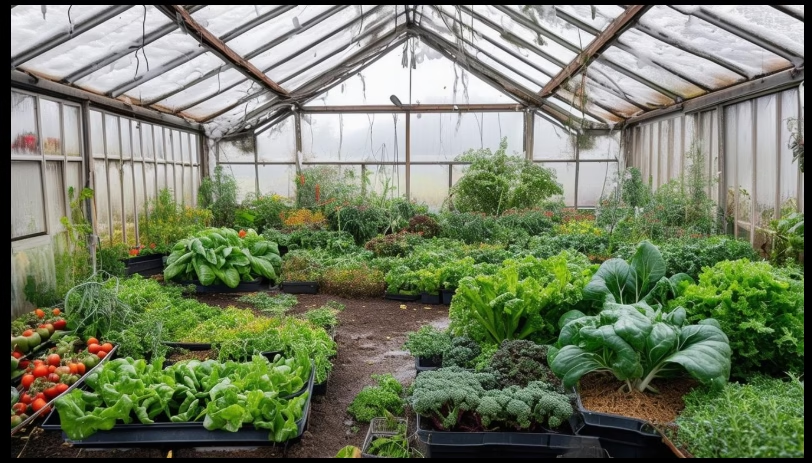
Growing your own food has never been more rewarding. Whether you have a large backyard, a balcony, or simply a sunny windowsill, indoor and outdoor gardening allows you to enjoy fresh vegetables, herbs, fruits, and flowers throughout the year.
Modern gardening combines traditional techniques with innovative solutions like raised beds, LED grow lights, hydroponic systems, vertical gardens, and smart irrigation, making it easier than ever to harvest healthy food at home.
This complete guide explains everything beginners and experienced gardeners need to know about growing food in every season.
Table of Contents
- Why Start a Home Garden?
- Indoor vs Outdoor Gardening
- How to Build Productive Raised Beds
- Best Soil for Healthy Plants
- Indoor Gardening Essentials
- Best Vegetables and Herbs to Grow
- Hydroponic Gardening
- Seasonal Gardening Tips
- Organic Gardening Hacks
- Common Gardening Mistakes
- Frequently Asked Questions
- Final Thoughts
Why Start a Home Garden?
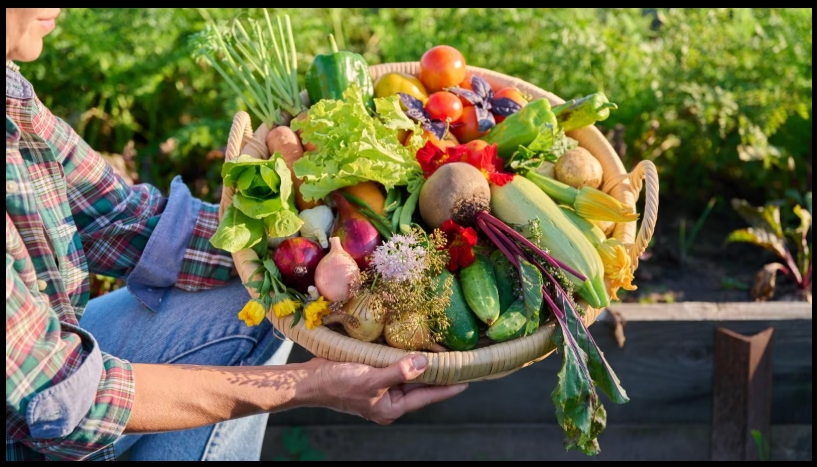
Gardening offers benefits beyond fresh food.
Benefits include:
✅ Healthier meals
✅ Lower grocery bills
✅ Better mental health
✅ Stress reduction
✅ Daily exercise
✅ Sustainable living
✅ Less food waste
Studies show spending time around plants can reduce stress, improve mood, and encourage healthier eating habits.
Indoor Gardening vs Outdoor Gardening
| Indoor Gardening | Outdoor Gardening |
|---|---|
| Grow year-round | Seasonal production |
| Ideal for apartments | Great for larger harvests |
| Requires grow lights | Uses natural sunlight |
| Easier pest control | Higher yields |
| Perfect for herbs | Ideal for vegetables & fruits |
Many gardeners combine both methods for continuous harvests.
Raised Bed Gardening: The Best Outdoor Gardening Method
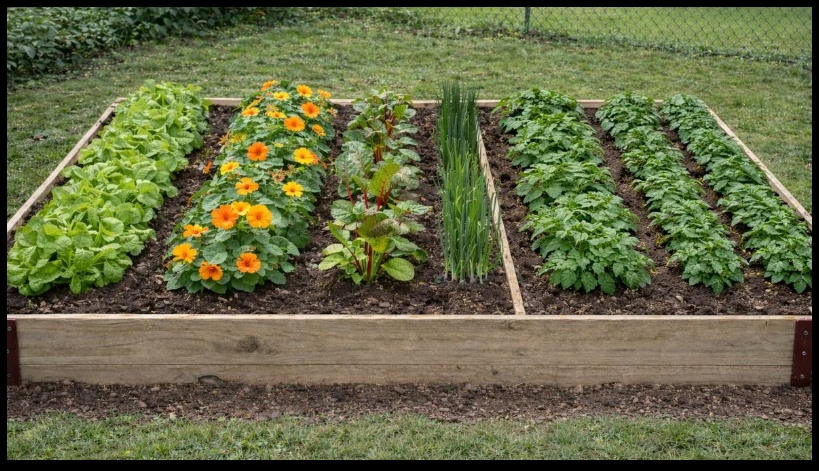
Raised beds remain one of the easiest ways to grow vegetables successfully.
Why Raised Beds Work
- Better drainage
- Warmer soil
- Less weed growth
- Easier maintenance
- Improved root development
- Better soil quality
Ideal Raised Bed Size
Most experts recommend:
- Width: 4 feet
- Length: 8 feet
- Height: 12–18 inches
This size allows easy access without stepping on the soil.
Choose the Best Soil Mix
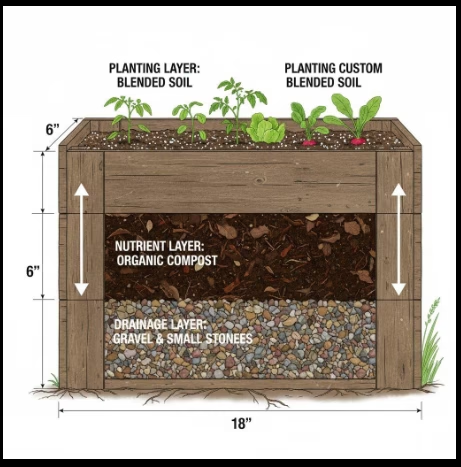
Healthy plants begin with healthy soil.
A high-quality raised bed mix should contain:
- Compost
- Coco coir or peat moss
- Perlite
- Vermiculite
- Organic fertilizer
- Worm castings
Avoid filling raised beds with heavy clay soil, which compacts easily and restricts root growth.
Save Money Filling Deep Raised Beds
For beds deeper than 18 inches:
Fill the bottom with:
- Logs
- Branches
- Leaves
- Grass clippings
- Cardboard
- Organic compost
Top with 10–12 inches of premium garden soil.
This technique reduces costs while improving moisture retention.
Indoor Gardening: Grow Fresh Food All Year
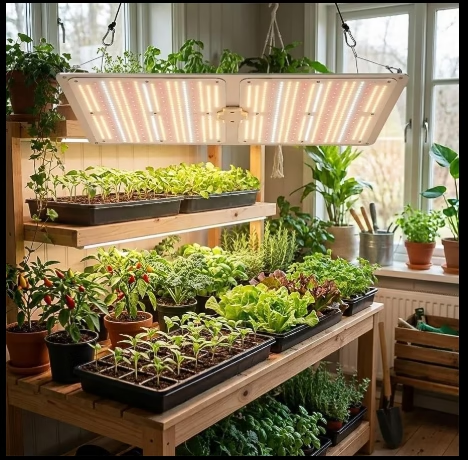
Indoor gardening is perfect for people living in apartments or regions with harsh winters.
What You Need
Containers
Choose pots with drainage holes.
Potting Mix
Use lightweight indoor potting soil instead of garden soil.
Grow Lights
LED grow lights provide full-spectrum light for healthy growth.
Most leafy vegetables require:
- 12–16 hours of light daily
Temperature
Ideal temperature:
65–75°F (18–24°C)
Best Vegetables to Grow Indoors
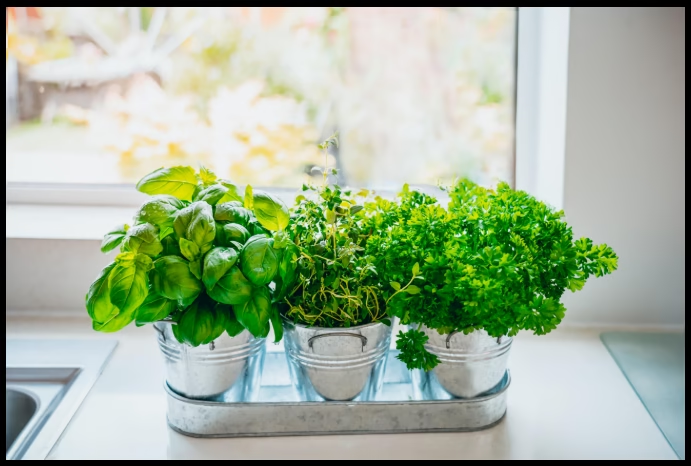
These vegetables grow quickly inside your home:
Leafy Greens
- Lettuce
- Spinach
- Kale
- Swiss chard
- Arugula
Herbs
- Basil
- Mint
- Parsley
- Cilantro
- Oregano
- Thyme
- Chives
Vegetables
- Cherry tomatoes
- Peppers
- Radishes
- Baby carrots
Microgreens
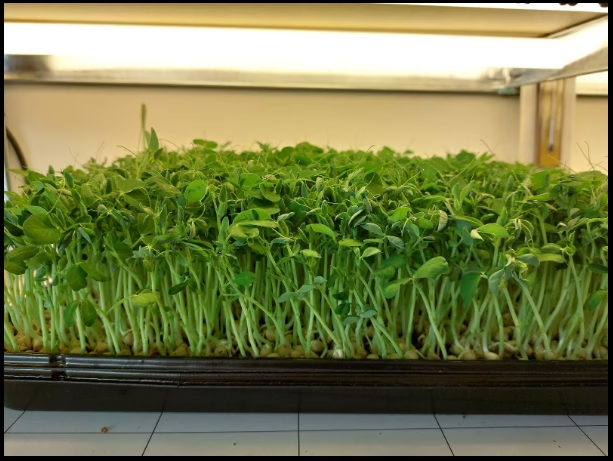
Ready in:
7–14 days
Popular varieties:
- Broccoli
- Sunflower
- Pea shoots
- Radish
- Mustard
- Kale
Microgreens contain concentrated vitamins and antioxidants.
Hydroponic Gardening
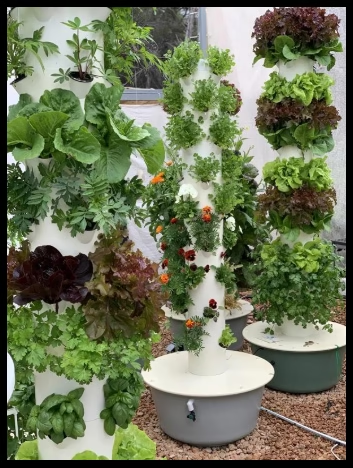
Hydroponics grows plants without soil.
Plants receive nutrients directly through water.
Advantages
- Faster growth
- Uses less water
- Fewer pests
- Cleaner production
- Year-round harvesting
Popular beginner systems include countertop hydroponic gardens and vertical growing towers.
Smart Gardening Technology
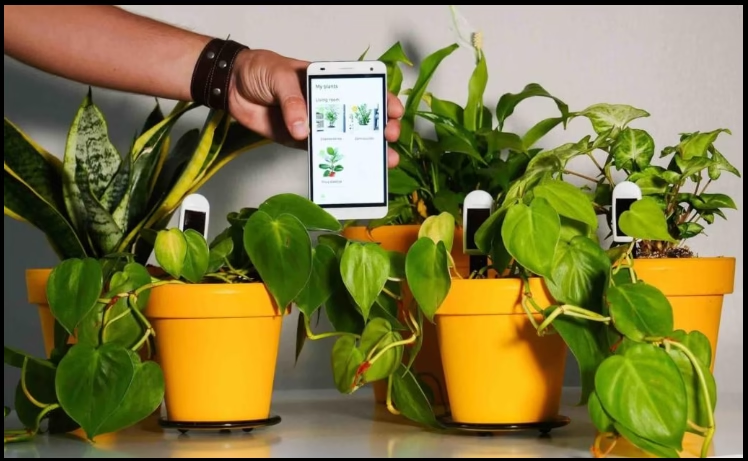
Modern smart gardens automatically manage:
- Watering
- Lighting
- Nutrient delivery
- Plant monitoring
- Mobile app notifications
These systems are excellent for busy homeowners.
Vertical Gardening for Small Spaces
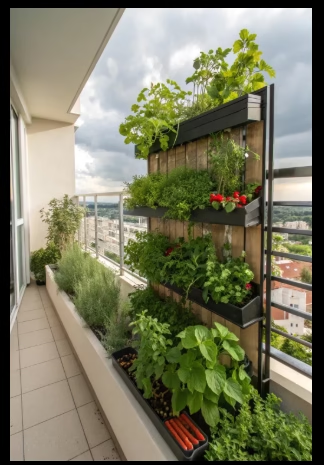
Limited space?
Grow upward instead of outward.
Use:
- Wall planters
- Hanging baskets
- Trellises
- Stackable planters
- Vertical towers
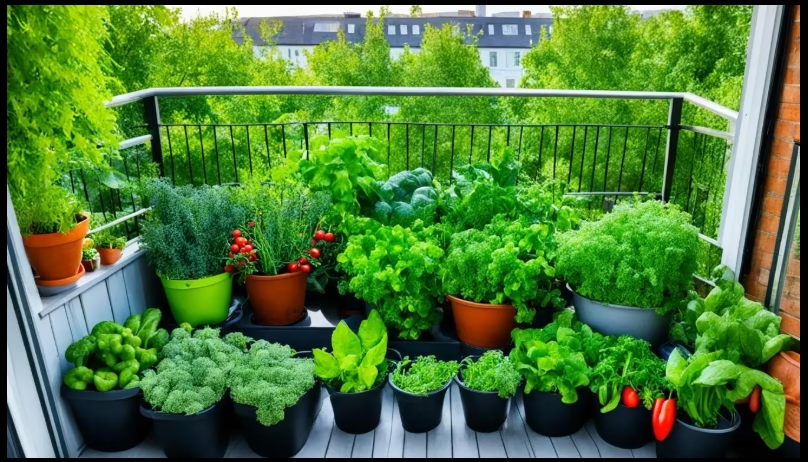
Perfect for balconies and patios.
Organic Gardening Tips
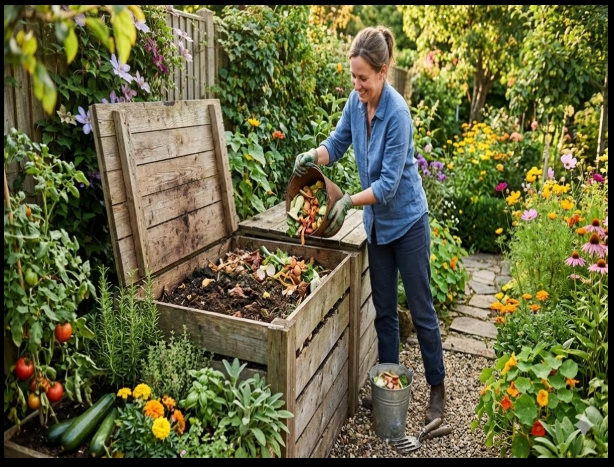
Healthy gardens begin with healthy soil.
Try these natural gardening methods:
Compost
Turns kitchen waste into nutrient-rich fertilizer.
Mulch
Helps:
- Retain moisture
- Reduce weeds
- Improve soil
Companion Planting
Examples:
Tomatoes + Basil
Carrots + Onions
Marigolds + Vegetables
These combinations naturally reduce pests.
Seasonal Gardening Calendar
Spring
- Tomatoes
- Cucumbers
- Beans
- Peppers
- Herbs
Summer
- Squash
- Melons
- Corn
- Eggplants
Fall
- Broccoli
- Cabbage
- Carrots
- Spinach
Winter
Focus on:
- Indoor herbs
- Lettuce
- Kale
- Microgreens
- Hydroponics
Gardening Hacks That Actually Work
Cinnamon
Helps reduce fungal diseases in seedlings.
Oscillating Fan
Strengthens stems by simulating natural wind.
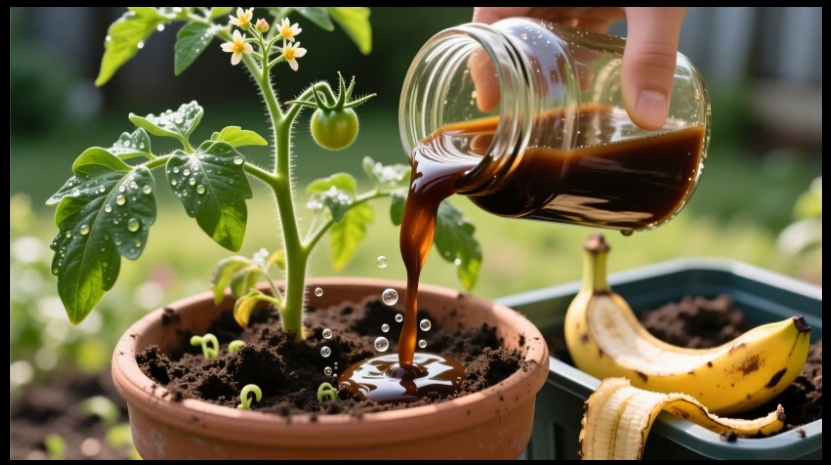
Banana Peel Fertilizer
Provides potassium for flowering plants.
Eggshells
Supply calcium for tomatoes and peppers.
Coffee Grounds
Improve compost when used in moderation.
Common Gardening Mistakes
Avoid these beginner errors:
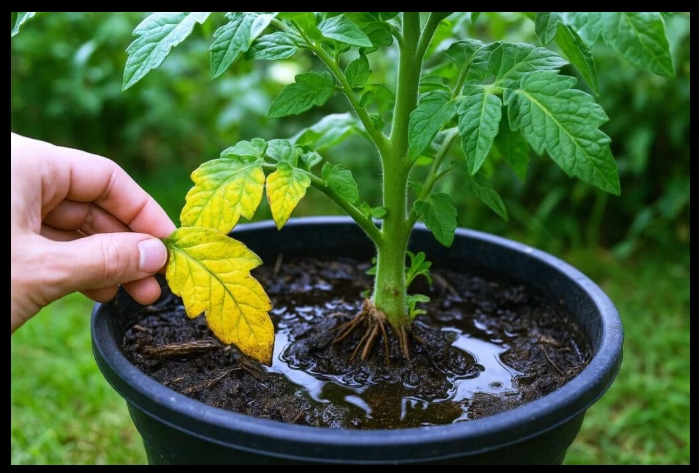
❌ Overwatering
❌ Poor drainage
❌ Planting too closely
❌ Using garden soil indoors
❌ Ignoring sunlight requirements
❌ Fertilizing too often
❌ Forgetting crop rotation
Frequently Asked Questions
Can I grow vegetables indoors all year?
Yes. With proper LED grow lights and temperature control, many vegetables grow year-round indoors.
What vegetables are easiest for beginners?
Lettuce, spinach, radishes, basil, mint, green onions, and microgreens.
Do indoor plants need grow lights?
If natural sunlight is limited, LED grow lights significantly improve growth and yields.
What is the easiest gardening method?
Raised bed gardening combined with container gardening is one of the simplest ways to grow healthy plants.
Is hydroponics better than soil gardening?
Hydroponics offers faster growth and higher efficiency, while soil gardening is generally more affordable and beginner-friendly.
Final Thoughts
Whether you’re growing basil on a kitchen windowsill, harvesting tomatoes from raised beds, or experimenting with hydroponic systems, gardening is one of the most rewarding hobbies you can start.
Begin with a few easy-to-grow crops, improve your soil, provide adequate light, and stay consistent. Over time, your indoor and outdoor garden can provide fresh, healthy food throughout the year while reducing grocery costs and creating a more sustainable lifestyle.
Internal Link Suggestions:
- Foods and Remedies That Naturally Boost Immunity: The Evidence-Based Guide
- How to Grow and Harvest Microgreens at Home (Beginner’s Guide for 2026)
- Vitamin D Deficiency: Symptoms, Causes & Recovery
- Top Dermatologist-Approved Skin Care Home Remedies for Acne, Eczema, and Dry Skin
- Home Remedies for Cold and Flu Symptoms: The Evidence-Based Guide
- High-Fiber Foods: The Ultimate Guide to Better Gut Health, Digestion & Weight Loss
High-Authority External Links
- Royal Horticultural Society (RHS): https://www.rhs.org.uk/
- Epic Gardening: https://www.epicgardening.com/
- USDA Gardening Resources: https://www.usda.gov/
- National Gardening Association: https://garden.org/
- Botanical Interests: https://www.botanicalinterests.com/
- University of Minnesota Extension – Gardening: https://extension.umn.edu/garden