
Managing Oxalates: A Practical Guide to Preventing Kidney Stones & Inflammation
If you’ve ever experienced the pain of a kidney stone, you’re far from alone — nearly 1 in 10 people will have one at some point in their life. While several factors contribute to stone formation, a naturally occurring plant compound called oxalate is often the primary driver.
Oxalates are frequently labeled “anti-nutrients,” and while they occur in many foods widely considered superfoods, they can become a real burden for people prone to kidney stones, joint pain, or gut sensitivity. This guide breaks down what oxalates are, which foods carry the highest levels, and the specific strategies that help protect your kidneys.
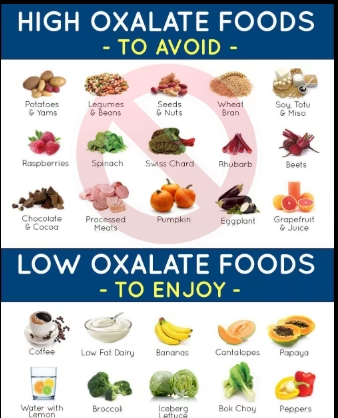
Table of Contents
- What Are Oxalates?
- Health Risks Beyond Kidney Stones
- Top High-Oxalate Foods to Limit
- Low-Oxalate Food Swaps
- How to Reduce Oxalate Absorption
- A Note on “Oxalate Dumping”
- FAQ
What Are Oxalates? {#what-are-oxalates}

Oxalates (or oxalic acid) are compounds found in plants that act as a natural defense mechanism. Since plants can’t run from predators, many produce these tiny, sharp crystals to discourage insects and animals from eating them.
When humans eat these plants, oxalates can bind to minerals such as calcium, magnesium, and iron, blocking their absorption and, in some people, contributing to painful crystal formation in the body — most commonly in the kidneys.
Health Risks Beyond Kidney Stones {#health-risks}
Roughly 80% of kidney stones are made of calcium oxalate, but researchers and clinicians have also linked oxalate accumulation to a broader set of concerns:
- Joint and muscle pain: Oxalate crystals can deposit in the synovial fluid of joints, contributing to inflammation and arthritis-like symptoms sometimes referred to as “pseudogout.”
- Gut health: High oxalate intake may irritate the gut lining in sensitive individuals, potentially contributing to increased intestinal permeability and systemic inflammation.
- Neurological symptoms: Some researchers have proposed a link between oxalate accumulation and neurological issues such as anxiety, sleep disturbances, and cognitive changes, though this area needs more clinical research to be considered well-established.
- Mineral deficiencies: Because oxalates bind to calcium and iron in the digestive tract, high intake can contribute to deficiencies in these minerals, particularly in people following plant-heavy diets.
Top High-Oxalate Foods to Limit {#high-oxalate-foods}
For people prone to kidney stones, clinicians often recommend keeping daily oxalate intake around 100mg or less. Here are some of the biggest contributors to watch:
| Food | Oxalate Content | Serving Size |
|---|---|---|
| Spinach | ~755 mg | ½ cup, cooked |
| Rhubarb | ~541 mg | 1 cup |
| Almonds | ~122 mg | 1 oz |
| Beets & beet greens | High (root and leaves both) | 1 cup |
| Swiss chard | High | 1 cup, cooked |
| Dark chocolate / cocoa | Moderate-high | 1 oz |
| Sweet potatoes | Moderate-high | 1 medium |
Values are approximate and can vary by preparation method, growing conditions, and source database.
Low-Oxalate Food Swaps {#low-oxalate-swaps}
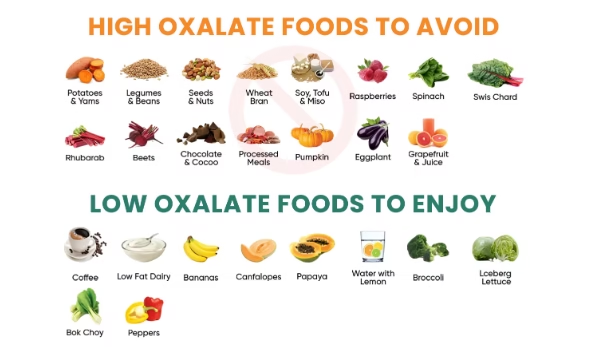
You don’t need to eliminate produce altogether — plenty of nutrient-dense options are naturally low in oxalates:
- Low-oxalate fruits: Apples, bananas, blueberries, cherries, grapes, melon, and nectarines generally contain 3mg or less per serving.
- Safer greens: Swap spinach for kale, which contains a fraction of the oxalate. Broccoli, cabbage, and cucumbers are also good low-oxalate choices.
- Nuts and seeds: If you enjoy nuts, pistachios, walnuts, and macadamias are considerably lower in oxalates than almonds or cashews.
How to Reduce Oxalate Absorption {#reduce-absorption}
Cutting intake is only part of the strategy — how you eat oxalate-containing foods matters just as much.
1. Pair Oxalates With Calcium
Eating calcium-rich foods (dairy, sardines, fortified alternatives) alongside oxalate-containing foods helps calcium bind to oxalate in the gut, forming a complex that’s excreted in stool rather than absorbed into the bloodstream and kidneys.
2. Stay Well Hydrated
Drinking roughly 2.5-3 liters of fluid daily dilutes urine, making it significantly harder for oxalate crystals to form and concentrate.
3. Use Citrates
Lemon juice is a practical, low-cost tool — the citrates it contains help weaken the bond between calcium and oxalate, reducing the likelihood of stone formation.
4. Boil High-Oxalate Vegetables
Because oxalates are water-soluble, boiling high-oxalate greens and discarding the cooking water can reduce their oxalate content by an estimated 30-60%.
5. Support a Healthy Gut Microbiome
Certain gut bacteria, including Oxalobacter formigenes, break down oxalates naturally. Avoiding unnecessary antibiotic use helps preserve these beneficial microbes over time.
A Note on “Oxalate Dumping” {#oxalate-dumping}
If you’ve followed a high-oxalate diet for years, your body may store some of these crystals in tissue over time. When oxalate intake drops suddenly, the body can begin releasing (“dumping”) stored oxalates back into circulation for excretion — sometimes causing temporary symptoms like skin rashes, headaches, joint discomfort, or gritty stools.
For this reason, many practitioners recommend reducing oxalate intake gradually rather than eliminating it all at once.
Frequently Asked Questions {#faq}
What foods should I avoid if I’m prone to kidney stones? Spinach, rhubarb, almonds, beets and beet greens, and Swiss chard are among the highest-oxalate foods and are typically the first to limit if you’re managing recurrent calcium oxalate stones.
Does boiling vegetables remove oxalates? Yes, to a meaningful degree. Because oxalates are water-soluble, boiling high-oxalate vegetables and discarding the water can reduce oxalate content by roughly 30-60%, though some nutrients are lost in the process as well.
How much oxalate is safe per day? For people with a history of calcium oxalate kidney stones, many clinicians suggest keeping intake around 100mg per day, though individual targets should be set with a doctor or dietitian based on personal risk factors.
What is “oxalate dumping”? It’s a term describing temporary symptoms — such as rashes, fatigue, or joint discomfort — that can occur when the body releases stored oxalates after a sudden reduction in dietary intake. Gradual reduction is generally recommended to minimize this effect.
Can drinking more water actually prevent kidney stones? Yes. Adequate hydration is one of the most well-supported, low-cost strategies for stone prevention, since diluted urine makes it harder for oxalate and calcium to bind into crystals.
External Resources for Further Reading
- Kidney Stone Diet — Searchable Oxalate List
- Sally K. Norton — Author of Toxic Superfoods
- Harvard Health — Low Oxalate Diet Guidelines
- National Kidney Foundation — Kidney Stones Overview
Related Articles
- How to Reduce Inflammation Through Diet: The Evidence-Based Guide
- How Your Gut Microbiome Controls Sleep: The Science Behind Better Rest and Better Health
- Natural Remedies for Better Sleep and Insomnia Relief
- How to Build a No-Equipment Home Workout Routine for Busy Professionals
- Lymphatic Drainage: The Complete Guide to Boosting Your Immune System Naturally
- Vitamin B12 Deficiency: Symptoms, Causes & Treatment
Disclaimer: This article is for general educational purposes only and is not a substitute for professional medical advice. Always consult a healthcare provider or registered dietitian before making significant dietary changes, particularly if you have a history of kidney disease, mineral deficiencies, or are following a plant-based diet.