
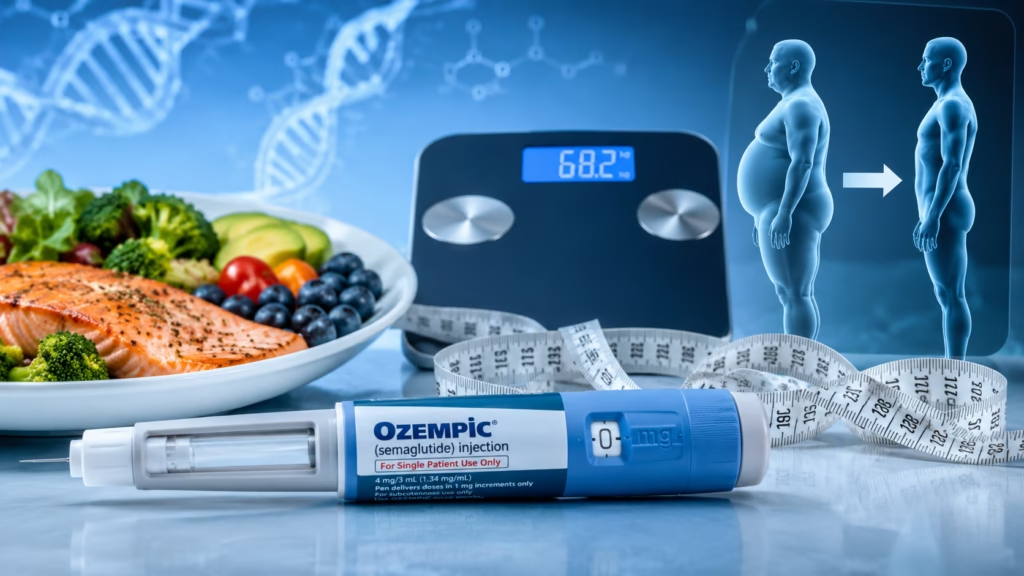
Ozempic Weight Loss: Side Effects, Celebrity Transformations & Health Risks
Kumar G is the founder of Future Smart Living, sharing expert-backed content on health, wellness, technology, personal finance, and smart living. His goal is to provide practical, trustworthy guides that help readers live healthier, smarter, and more informed lives.
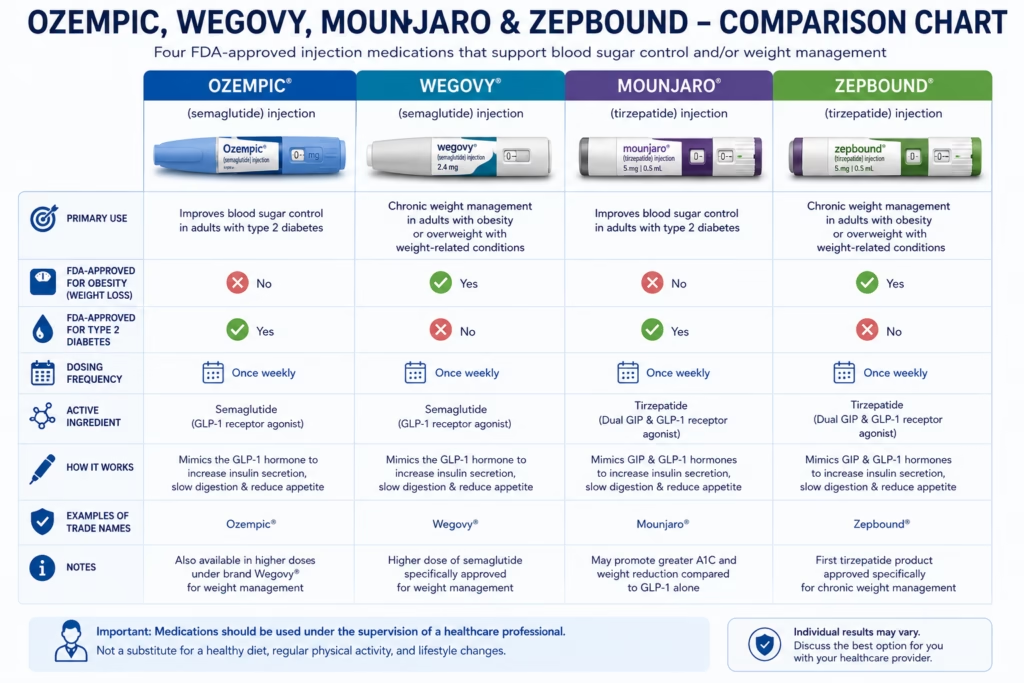
In 2026, Hollywood’s standard for a “healthy” weight has shifted rapidly and controversially. The rise of GLP-1 receptor agonists — medications like Ozempic and Mounjaro — has visibly changed red carpet silhouettes, creating a look some dermatologists and health experts describe with real concern. While these medications were originally developed to manage type 2 diabetes, off-label use for weight loss has become widespread, and with it, a wave of public discussion about the real side effects behind the transformations.
A note before we start: Some accounts below are things celebrities have said publicly themselves about their own health choices — those are reported as confirmed. Others are observations from commentators, dermatologists, or fans about appearance changes that have not been confirmed by the individuals involved. We’ve distinguished between the two throughout, since appearance alone cannot confirm medication use, and factors like natural aging, other weight loss methods, lighting, and styling can all produce similar visual changes.
Table of Contents
- What Causes “Ozempic Face”?
- Which Celebrities Have Confirmed Using GLP-1 Medications?
- Appearance Changes That Remain Unconfirmed
- What Are the Real Side Effects of Ozempic for Weight Loss?
- Why Do People Regain Weight After Stopping Ozempic?
- A Cultural Shift: What This Means Beyond Hollywood
- Expert Perspective: Sustainable Weight Management
- FAQ
What Causes “Ozempic Face”? {#ozempic-face}
One of the most visible markers of rapid GLP-1-related weight loss is a phenomenon dermatologists have nicknamed “Ozempic face.” As weight is lost quickly, facial skin and fat pads don’t always have time to adjust, which can result in a gaunt, hollowed, or prematurely aged appearance — an effect well recognized in dermatology and plastic surgery circles, independent of any specific individual case.
This isn’t unique to GLP-1 medications; any sufficiently rapid weight loss — whether from illness, extreme dieting, or medication — can produce similar facial volume loss. It’s simply become closely associated with these drugs because of how quickly and significantly they can reduce body weight compared to most other methods.
Which Celebrities Have Confirmed Using GLP-1 Medications? {#confirmed-cases}
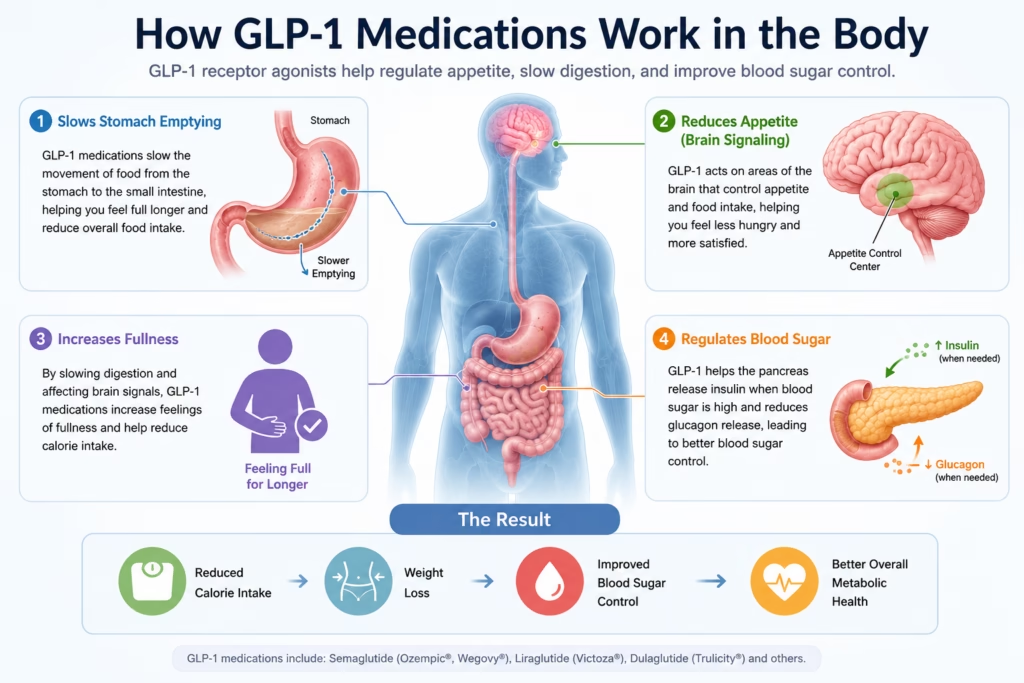
A number of public figures have spoken openly, in their own words, about using these medications:
- Andy Cohen has publicly discussed using a low dose of a GLP-1 medication, saying he felt uncomfortable questioning Real Housewives cast members about appearance-related choices while making similar choices himself.
- Whoopi Goldberg has confirmed using Mounjaro, describing significant weight loss after reaching close to 300 pounds, which she has attributed in part to steroid-related weight gain from a medical condition.
- Sharon Osbourne has openly discussed using Ozempic and has publicly warned that she “went too far,” losing a significant amount of weight and reaching a point where she struggled to regain any of it — describing the resulting appearance as “gaunt” and “fragile” in her own words.
- Amy Schumer has said she discontinued the medication after experiencing side effects she described as “not livable,” including being bedridden and unable to be as present with her child.
- Robbie Williams has spoken publicly about experiencing blurred vision that he believes may be connected to his use of these medications, though he has not presented this as a confirmed medical diagnosis.
These are self-reported accounts from the individuals themselves, generally shared in interviews or on social media — which is different from outside speculation about someone’s appearance.
Appearance Changes That Remain Unconfirmed {#unconfirmed-speculation}
Separately, some celebrities have faced public speculation about possible GLP-1 use based purely on visible appearance changes, without any personal confirmation:
- Commentators have noted a visibly slimmer, more sculpted appearance in some public figures and speculated about a possible connection to weight-loss medications — though, as with all appearance-based speculation, this cannot be confirmed and may equally reflect diet changes, exercise, illness, stress, or simply natural fluctuation over time.
- It’s worth treating this category of claim with real skepticism: dermatologists and plastic surgeons quoted in entertainment media are typically offering an informed guess based on photos, not a medical diagnosis, and have no access to the individual’s actual health information.
What Are the Real Side Effects of Ozempic for Weight Loss? {#health-risks}
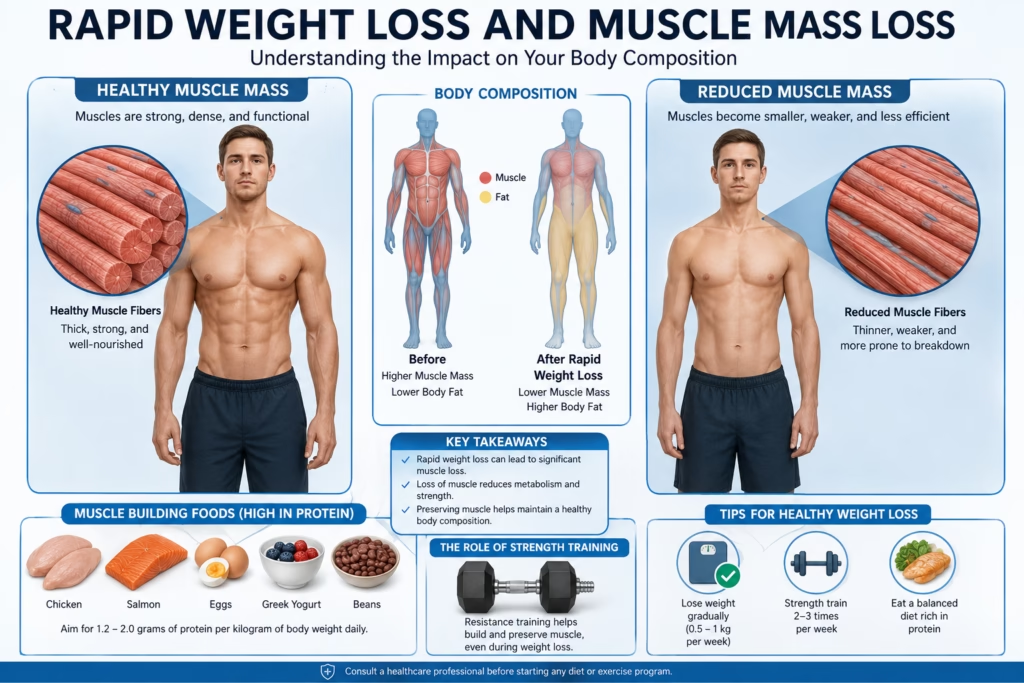
Beyond visible appearance changes, GLP-1 medications carry a documented set of physical and psychological risks worth understanding clearly:
- Muscle and bone loss: Clinical research indicates a meaningful portion of weight lost on these medications — some studies suggest up to roughly 40% — can come from lean mass, including muscle and bone density, rather than fat alone. This is a key reason many physicians recommend resistance training and adequate protein intake alongside any GLP-1 treatment plan.
- Vision changes: Some patients have reported blurred vision while using these medications. While a direct causal link is still being studied for cosmetic/off-label use specifically, vision changes should always be reported to a prescribing physician promptly.
- Gastrointestinal effects: Nausea, vomiting, and digestive discomfort are well-documented, commonly reported side effects, particularly during dose increases.
- Mental health considerations: Some patient reports and case discussions have raised concerns about mood changes, including depressive symptoms, while using these medications. Anyone experiencing new or worsening mental health symptoms while on a GLP-1 medication should contact their prescribing doctor promptly rather than waiting it out.
Why Do People Regain Weight After Stopping Ozempic? {#rebound-effect}
Research has consistently found that many people regain a substantial portion — often cited as roughly two-thirds — of their lost weight within a year of discontinuing GLP-1 medication. Several public figures, including Dolores Catania and Gabriel Iglesias, have discussed experiencing rapid weight regain after stopping treatment.
This happens largely because these medications work by suppressing appetite and altering hunger signaling; once discontinued, the body’s original hunger and metabolic patterns typically return, and without other sustained lifestyle changes in place, weight often follows.
A Cultural Shift: What This Means Beyond Hollywood {#cultural-shift}
The visibility of GLP-1-driven transformations has coincided with a broader cultural conversation. The body-positivity movement, which spent much of the last decade championing size diversity in media, has faced new pressure as thinner body ideals have re-emerged across red carpets and social media over a relatively short period. Commentators have also linked this to related aesthetic trends emphasizing a more minimal, controlled presentation of femininity in some corners of social media.
This is a genuinely contested cultural topic with strong opinions on multiple sides — some see it as a personal health choice being unfairly scrutinized, others see it as a concerning step backward for body image progress. Both perspectives are actively discussed in current cultural commentary.
Expert Perspective: Sustainable Weight Management {#expert-advice}
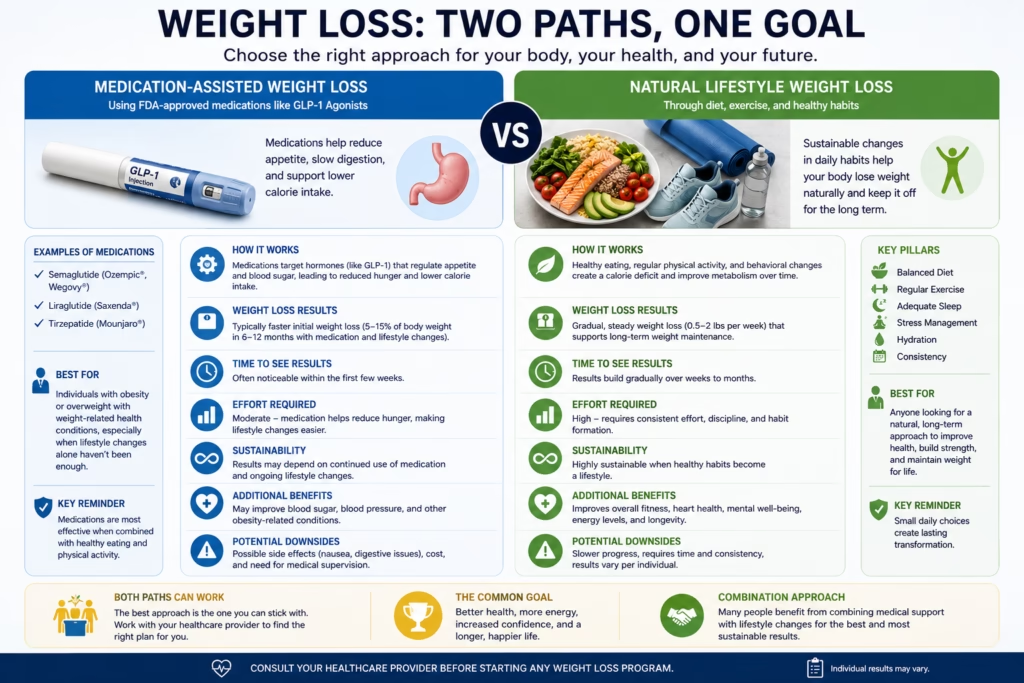
Health experts generally caution against viewing any medication as a shortcut that replaces foundational health habits. The consistent message across clinical and wellness experts is that sustainable weight management still relies on a combination of a calorie-appropriate, nutritious diet, regular physical activity (including resistance training to help protect muscle mass), adequate sleep, and — for those using GLP-1 medications — close medical supervision throughout treatment, not just at the start.
Frequently Asked Questions {#faq}
What is “Ozempic face”? It’s a term used to describe facial gauntness or hollowing that can occur after rapid weight loss, including weight loss driven by GLP-1 medications. It results from fat pads in the face shrinking faster than the skin can adjust, and can occur with any method of rapid weight loss, not just medication.
Does Ozempic cause muscle loss? Some clinical research suggests a meaningful percentage of weight lost on GLP-1 medications comes from lean mass, including muscle. This is why many physicians recommend strength training and higher protein intake for patients using these medications.
Why do people gain weight back after stopping Ozempic? GLP-1 medications work partly by suppressing appetite. Once a person stops taking the medication, hunger signals typically return to baseline, and without other sustained dietary and lifestyle changes, weight regain is common — research suggests many people regain a significant portion of lost weight within a year.
Is it safe to use Ozempic for weight loss without diabetes? GLP-1 medications are approved for weight management in some formulations even without diabetes, but they should only be used under a doctor’s supervision, given the documented side effects around lean mass loss, gastrointestinal symptoms, and the need for monitoring during treatment.
Which celebrities have confirmed using Ozempic or similar medications? Public figures including Andy Cohen, Whoopi Goldberg, Sharon Osbourne, and Amy Schumer have spoken publicly about their own use of GLP-1 medications, including both benefits they experienced and side effects that led some to discontinue use.

External Resources for Further Reading
- FDA — Information on GLP-1 Receptor Agonist Medications
- Mayo Clinic — Ozempic (Semaglutide): Uses and Side Effects
- American Academy of Facial Plastic Surgery — Reports on Rapid Weight Loss and Facial Aging
- The Lancet Public Health — Research on Weight Loss Interventions
Recommended Internal Links
- Foods and Remedies That Naturally Boost Immunity: The Evidence-Based Guide
- 10 Best Massagers 2026: Leg, Back, Foot & Massage Guns
- Vitamin D Deficiency: Symptoms, Causes & Recovery
- Top Dermatologist-Approved Skin Care Home Remedies for Acne, Eczema, and Dry Skin
- Home Remedies for Cold and Flu Symptoms: The Evidence-Based Guide
- High-Fiber Foods: The Ultimate Guide to Better Gut Health, Digestion & Weight Loss
- Skin Allergy: Symptoms, Causes & Best Treatment Guide (2026)
- Heart Health Tips: 15 Science-Backed Ways to Prevent Heart Disease Naturally (2026 Guide)
- Eye Color Genetics Explained: The Science Behind Brown, Blue, Green, Amber, Hazel & Rare Eye Colors
Disclaimer: This article discusses publicly reported statements and general medical research and is not medical advice. Appearance alone cannot confirm whether someone has used a specific medication or procedure. GLP-1 medications carry real risks and should only be used under the supervision of a licensed healthcare provider. If you’re struggling with body image, disordered eating patterns, or thoughts about your weight that feel distressing, consider reaching out to a healthcare provider or a support organization such as the National Alliance for Eating Disorders.