
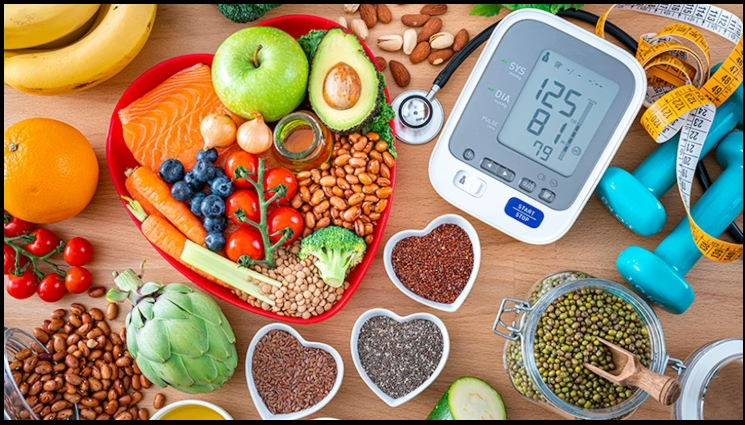
Heart Health Tips: 15 Science-Backed Ways to Prevent Heart Disease Naturally
Heart disease remains the leading cause of death worldwide, but the good news is that many cardiovascular diseases are preventable through healthy lifestyle choices.
Your heart beats approximately 100,000–115,000 times every day, pumping oxygen-rich blood through nearly 60,000 miles of blood vessels. Keeping this incredible organ healthy requires more than simply watching your cholesterol—it involves nutrition, exercise, stress management, sleep, inflammation control, and routine medical screening.
In this complete guide, you’ll discover the latest evidence-based strategies to strengthen your heart, lower your risk of heart attack and stroke, and improve your overall cardiovascular health.
Kumar G is the founder of Future Smart Living, sharing expert-backed content on health, wellness, technology, personal finance, and smart living. His goal is to provide practical, trustworthy guides that help readers live healthier, smarter, and more informed lives.
Table of Contents
- Why Heart Health Matters
- Major Risk Factors
- Early Warning Signs
- Best Medical Tests
- 15 Heart Health Tips
- Best Foods for Heart Health
- Foods to Avoid
- Daily Heart Healthy Routine
- Frequently Asked Questions
- Final Thoughts
Why Heart Health Matters
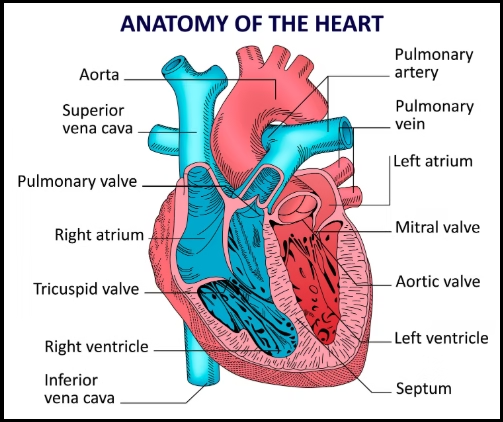
Heart disease includes:
- Coronary artery disease
- Heart attack
- Stroke
- Heart failure
- Arrhythmias
- High blood pressure
Many people believe heart disease only affects older adults.
The truth is that plaque buildup often begins in your twenties, making prevention essential at every age.
What Causes Heart Disease?
The biggest contributors include:
- High blood pressure
- High LDL cholesterol
- Diabetes
- Obesity
- Smoking
- Chronic stress
- Poor sleep
- Physical inactivity
- Chronic inflammation
- Family history
Many people with “normal cholesterol” still develop heart disease because inflammation, insulin resistance, and genetics also play important roles.
Early Warning Signs You Should Never Ignore
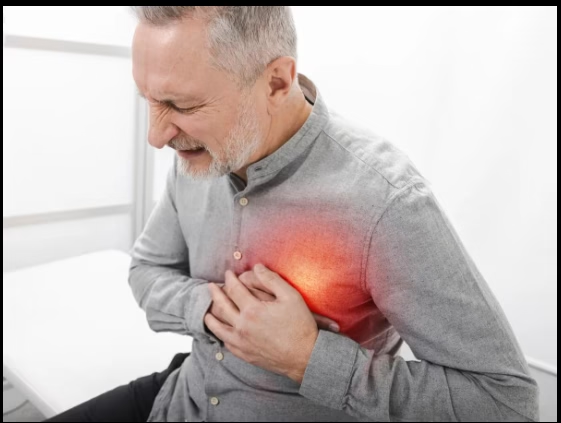
Symptoms include:
✔ Chest pain
✔ Shortness of breath
✔ Jaw pain
✔ Neck pain
✔ Pain spreading to the left arm
✔ Fatigue
✔ Dizziness
✔ Irregular heartbeat
✔ Swollen feet
Women often experience less obvious symptoms such as:
- nausea
- fatigue
- back pain
- jaw discomfort
- indigestion
Essential Heart Health Tests Everyone Should Know

Modern cardiology emphasizes prevention rather than waiting for symptoms.
Important tests include:
ECG (Electrocardiogram)
Measures your heart’s electrical activity.
Echocardiogram
Shows heart structure and pumping function.
Stress Test
Detects blocked arteries during exercise.
CT Coronary Calcium Score (CAC)
One of the best screening tools for hidden plaque.
General interpretation:
- 0 = Very low risk
- 1–99 = Mild plaque
- 100–399 = Moderate plaque
- 400+ = High cardiovascular risk
ApoB Blood Test
Many cardiologists now consider ApoB a better predictor than LDL cholesterol alone.
15 Proven Heart Health Tips
1. Eat More Fruits and Vegetables
Aim for:
- berries
- spinach
- broccoli
- tomatoes
- oranges
Rich in antioxidants that reduce inflammation.
2. Eat Healthy Fats
Choose:
- salmon
- sardines
- walnuts
- flaxseed
- olive oil
Avoid excessive trans fats.
3. Eat More Soluble Fiber
Fiber helps lower LDL cholesterol naturally.
Great choices:
- oats
- beans
- lentils
- apples
- barley
4. Reduce Added Sugar
Too much sugar increases:
- insulin resistance
- obesity
- inflammation
All major heart disease risk factors.
5. Limit Ultra-Processed Foods
Replace processed snacks with:
- fruits
- nuts
- yogurt
- homemade meals
6. Stay Physically Active

Aim for:
✅ 150 minutes
of moderate exercise weekly.
Include:
- walking
- swimming
- cycling
- strength training
Exercise helps:
- lower blood pressure
- improve cholesterol
- strengthen heart muscle
7. Maintain a Healthy Weight
Even losing 5–10% of body weight significantly reduces cardiovascular risk.
8. Sleep 7–9 Hours
Poor sleep raises:
- blood pressure
- inflammation
- cortisol
Sleep is one of the most underrated heart medicines.
9. Manage Stress
Practice:
- meditation
- yoga
- deep breathing
- mindfulness
Lower stress equals lower cardiovascular risk.
10. Quit Smoking
Smoking damages arteries within minutes.
Quitting immediately begins lowering heart disease risk.
11. Drink Alcohol in Moderation
Too much alcohol can increase:
- blood pressure
- heart rhythm disorders
- stroke risk
12. Monitor Blood Pressure Regularly
Target:
Below 120/80 mmHg for most healthy adults.
13. Improve Oral Health
Research links gum disease to:
- inflammation
- heart attacks
- stroke
Brush twice daily and floss every day.
14. Know Your Cholesterol Numbers
Track:
- LDL
- HDL
- Triglycerides
- ApoB
Routine testing helps identify risks early.
15. Schedule Preventive Health Checkups
Annual screenings can detect silent cardiovascular disease before symptoms develop.
Best Foods for Heart Health
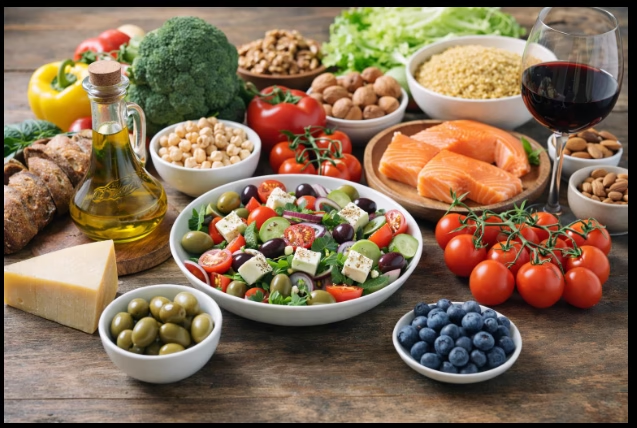
Top foods include:
🥬 Leafy greens
🫐 Blueberries
🐟 Salmon
🥜 Walnuts
🥑 Avocados
🫒 Extra virgin olive oil
🥣 Oats
🫘 Beans
🍅 Tomatoes
🍊 Citrus fruits
Foods That Can Increase Heart Disease Risk
Limit:
- sugary drinks
- processed meats
- fried foods
- refined carbohydrates
- trans fats
- excessive sodium
Daily Heart Healthy Routine
Morning
✅ 20-minute walk
✅ Healthy breakfast
Midday
✅ Drink water
✅ Stretch
Evening
✅ Balanced dinner
✅ Relaxation exercises
Night
✅ Sleep before 11 PM
Frequently Asked Questions
What is the best exercise for heart health?
Walking, swimming, cycling, and aerobic exercise are excellent choices.
What foods clean your arteries naturally?
No food literally cleans arteries, but a diet rich in fruits, vegetables, whole grains, legumes, nuts, and healthy fats supports cardiovascular health.
Can heart disease be reversed?
Lifestyle changes and medical treatment may slow or partially reverse some aspects of coronary artery disease, but outcomes vary by individual and should be guided by a healthcare professional.
How often should I check my blood pressure?
Adults should have it checked regularly, with frequency depending on age, risk factors, and medical advice.
Is coffee bad for the heart?
Moderate coffee intake is generally considered safe for many healthy adults, though individual tolerance and medical conditions matter.
Final Thoughts
Heart disease develops over many years, but small daily habits can have a lasting impact. Eating a balanced diet, staying active, getting quality sleep, managing stress, avoiding tobacco, and keeping up with regular health checkups are practical steps that support lifelong cardiovascular health.
External Resources
- American Heart Association (AHA): https://www.heart.org
- Centers for Disease Control and Prevention (CDC) – Heart Disease: https://www.cdc.gov/heartdisease
- National Heart, Lung, and Blood Institute (NHLBI): https://www.nhlbi.nih.gov
- Mayo Clinic – Heart Disease: https://www.mayoclinic.org/diseases-conditions/heart-disease
- British Heart Foundation: https://www.bhf.org.uk
- MedlinePlus – Heart Diseases: https://medlineplus.gov/heartdiseases.html
Recommended Internal Links
- Foods and Remedies That Naturally Boost Immunity: The Evidence-Based Guide
- 10 Best Massagers 2026: Leg, Back, Foot & Massage Guns
- Vitamin D Deficiency: Symptoms, Causes & Recovery
- Top Dermatologist-Approved Skin Care Home Remedies for Acne, Eczema, and Dry Skin
- Home Remedies for Cold and Flu Symptoms: The Evidence-Based Guide
- High-Fiber Foods: The Ultimate Guide to Better Gut Health, Digestion & Weight Loss
Medical Disclaimer:
The information provided in this article is for educational and informational purposes only and should not be considered medical advice, diagnosis, or treatment. While every effort has been made to ensure the accuracy of the information, health recommendations may change as new research becomes available.
Always consult a qualified healthcare professional before starting any new exercise program, lymphatic drainage massage, supplement, or lifestyle change—especially if you are pregnant, have lymphedema, heart disease, kidney disease, a history of blood clots (DVT), active infections, or any other medical condition.