
Skin Allergy: Symptoms, Causes, Types, Diagnosis & Best Treatments (2026 Guide)
A skin allergy is one of the most common immune system disorders, affecting millions of people worldwide every year. It develops when your immune system mistakenly identifies a harmless substance—called an allergen—as dangerous and launches an inflammatory response.
This reaction releases chemicals such as histamine, causing itching, redness, swelling, rashes, and discomfort. While many allergic reactions are mild, some can become severe and require emergency medical attention.
In this complete guide, you’ll learn the different types of skin allergies, their causes, symptoms, diagnosis, treatment options, prevention tips, and the latest dermatologist recommendations.
Table of Contents
- What Is a Skin Allergy?
- Common Symptoms
- Types of Skin Allergies
- Common Causes
- Risk Factors
- Diagnosis
- Best Treatments
- Home Remedies
- Prevention Tips
- When to See a Doctor
- Frequently Asked Questions
What Is a Skin Allergy?
A skin allergy occurs when your body’s immune system overreacts to an allergen.
Instead of ignoring harmless substances like pollen, nickel, cosmetics, or certain foods, your immune system produces antibodies that release histamine and inflammatory chemicals.
These chemicals lead to:
- Redness
- Itching
- Swelling
- Skin rash
- Burning sensation
- Dry patches
- Blisters
Some reactions develop within minutes, while others may take several hours or even days.
Common Skin Allergy Symptoms
Skin allergy symptoms vary depending on the trigger and severity.
The most common symptoms include:
- Intense itching
- Red rash
- Swollen skin
- Dry or cracked patches
- Raised bumps (hives)
- Blisters
- Burning sensation
- Peeling skin
- Flaking
- Warm skin
- Swelling around the eyes
- Swollen lips
In severe cases, symptoms may include:
- Difficulty breathing
- Wheezing
- Tight throat
- Dizziness
- Rapid heartbeat
These may indicate anaphylaxis, which requires immediate emergency medical care.
Types of Skin Allergies
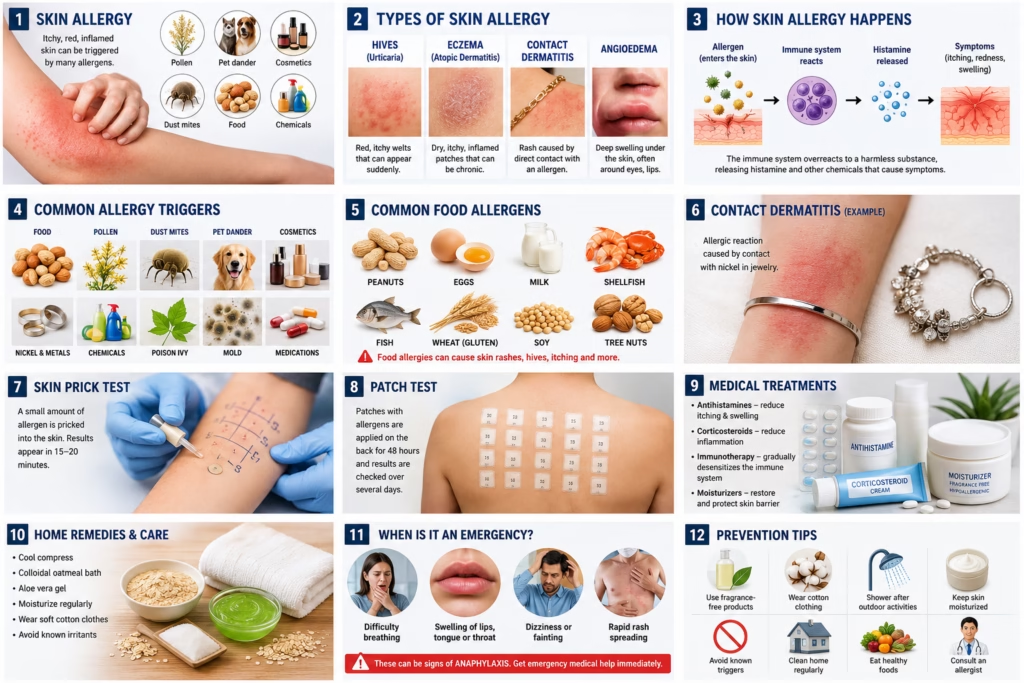
1. Contact Dermatitis
Contact dermatitis develops when the skin comes into direct contact with an allergen or irritant.
Common triggers include:
- Nickel jewelry
- Latex gloves
- Perfumes
- Hair dye
- Cosmetic products
- Laundry detergents
- Cleaning chemicals
- Poison ivy
Symptoms
- Itchy rash
- Redness
- Burning
- Blisters
- Cracked skin
2. Atopic Dermatitis (Eczema)
Eczema is a chronic inflammatory skin condition commonly associated with allergies and asthma.
It often appears on:
- Hands
- Neck
- Face
- Knees
- Elbows
Symptoms include:
- Dry skin
- Thickened skin
- Severe itching
- Cracked patches
- Oozing lesions during flare-ups
3. Hives (Urticaria)
Hives are raised, itchy welts that can appear anywhere on the body.
Characteristics include:
- Sudden onset
- Pink or red bumps
- Individual welts disappear within 24 hours
- New welts may appear elsewhere
Common triggers:
- Foods
- Medications
- Infections
- Stress
- Temperature changes
4. Angioedema
Angioedema causes swelling in deeper layers of the skin.
Most commonly affects:
- Lips
- Eyelids
- Tongue
- Face
- Hands
Because swelling around the throat can interfere with breathing, seek emergency care immediately if it occurs.
Common Causes of Skin Allergies
Food Allergies
Some of the most common food allergens include:
- Peanuts
- Tree nuts
- Eggs
- Milk
- Soy
- Wheat
- Fish
- Shellfish
Rarely, some people develop Alpha-gal syndrome, a delayed allergy to red meat following certain tick bites.
Environmental Allergens
Environmental allergens include:
- Pollen
- Dust mites
- Mold
- Pet dander
- Grass
- Weed pollen
Metals
Nickel remains the most common cause of allergic contact dermatitis.
It is found in:
- Watches
- Earrings
- Belt buckles
- Rings
- Coins
- Mobile phone cases
Cosmetic Ingredients
Some skin care products contain ingredients that trigger allergic reactions.
Examples include:
- Fragrances
- Preservatives
- Hair dyes
- Essential oils
- Sunscreens
Physical Triggers
Certain allergies develop after exposure to:
- Heat
- Cold
- Sunlight
- Pressure
- Sweating
- Exercise
Who Is at Higher Risk?
Risk factors include:
- Family history of allergies
- Asthma
- Eczema
- Seasonal allergies
- Sensitive skin
- Frequent chemical exposure
- Certain occupations (healthcare, construction, salons)
How Doctors Diagnose Skin Allergies
A dermatologist or allergist may recommend:
Skin Prick Test
A tiny amount of allergen is introduced into the skin.
Results appear within 15–20 minutes.
Patch Test
Used mainly for contact dermatitis.
Small amounts of allergens are placed on the back for 48 hours, with follow-up readings over several days.
Blood Test
Measures allergen-specific IgE antibodies to identify sensitivities.
Best Skin Allergy Treatments
Treatment depends on the severity and underlying cause.
Antihistamines
Help reduce:
- Itching
- Swelling
- Hives
Corticosteroid Creams
Used to reduce inflammation and redness during flare-ups.
Moisturizers
Dermatologists recommend fragrance-free moisturizers to restore the skin barrier.
Immunotherapy
Also known as allergy shots, immunotherapy gradually trains the immune system to become less sensitive to specific allergens.
Natural Home Remedies
Some people find relief by:
- Applying cool compresses
- Taking colloidal oatmeal baths
- Using fragrance-free moisturizers
- Wearing loose cotton clothing
- Showering after outdoor activities
- Keeping nails short to prevent skin damage from scratching
- Avoiding known triggers
Home remedies may help soothe mild symptoms but are not a substitute for medical treatment.
Prevention Tips
Reduce flare-ups by:
- Identifying and avoiding allergens
- Reading cosmetic ingredient labels
- Choosing “fragrance-free” products
- Washing bedding weekly in hot water
- Vacuuming regularly
- Using air purifiers during pollen season
- Moisturizing daily
- Managing stress
When to See a Doctor
Seek medical advice if:
- Symptoms persist longer than two weeks.
- The rash spreads rapidly.
- Home treatments don’t help.
- Signs of infection develop (pus, fever, increasing pain).
- Allergic reactions become frequent or severe.
Call emergency services immediately if you experience difficulty breathing, throat swelling, or fainting.
Frequently Asked Questions
What causes skin allergies?
Skin allergies are caused by an immune response to allergens such as foods, metals, cosmetics, medications, or environmental substances.
Can stress cause skin allergies?
Stress does not directly cause allergies, but it can trigger or worsen flare-ups in conditions such as eczema and hives.
How long does a skin allergy last?
Mild reactions may resolve within hours or days, while chronic conditions like eczema can have recurring flare-ups.
Can skin allergies be cured?
Some allergies can improve over time or respond to immunotherapy, but many require ongoing management and avoidance of triggers.
What is the fastest way to stop itching?
Cool compresses, fragrance-free moisturizers, and antihistamines can provide relief. Persistent or severe symptoms should be evaluated by a healthcare professional.
Conclusion
Skin allergies can range from mild irritation to severe, life-threatening reactions. Recognizing symptoms early, identifying triggers, and following an appropriate treatment plan can greatly improve quality of life. If your symptoms are severe, recurrent, or interfere with daily activities, consult a qualified healthcare professional for evaluation and personalized care.
Recommended External Resources
- American Academy of Dermatology (AAD) – Hives & skin allergy information: https://www.aad.org/public
- Mayo Clinic – Contact dermatitis overview: https://www.mayoclinic.org/diseases-conditions/contact-dermatitis
- American College of Allergy, Asthma & Immunology (ACAAI) – https://acaai.org
- Asthma and Allergy Foundation of America (AAFA) – https://aafa.org
- National Eczema Association – https://nationaleczema.org
- MedlinePlus – Skin Allergy – https://medlineplus.gov
Recommended Internal Links
- Foods and Remedies That Naturally Boost Immunity: The Evidence-Based Guide
- 10 Best Massagers 2026: Leg, Back, Foot & Massage Guns
- Vitamin D Deficiency: Symptoms, Causes & Recovery
- Top Dermatologist-Approved Skin Care Home Remedies for Acne, Eczema, and Dry Skin
- Home Remedies for Cold and Flu Symptoms: The Evidence-Based Guide
- High-Fiber Foods: The Ultimate Guide to Better Gut Health, Digestion & Weight Loss
Disclaimer: This article is for general educational purposes only and is not a substitute for professional medical advice, diagnosis, or treatment. If you suspect a serious allergic reaction or anaphylaxis, seek emergency medical care immediately.