
Sexual health is an important part of overall physical and emotional well-being, but questions about sexually transmitted infections (STIs), erectile dysfunction, painful sex, low sexual desire, and sexual performance can be difficult to discuss.
The good news is that many sexual health concerns can be prevented, diagnosed, managed, or treated. Regular screening, vaccination, safer-sex practices, open communication, and professional medical care can make a significant difference.
This comprehensive sexual health guide explains common STIs, symptoms that deserve medical attention, sexual dysfunction in men and women, STI testing and prevention, and modern treatment options.
Medical disclaimer: This article provides general educational information and is not a substitute for diagnosis or treatment from a qualified healthcare professional. Sexual health symptoms can have many causes, so speak with a healthcare professional for personalized advice.
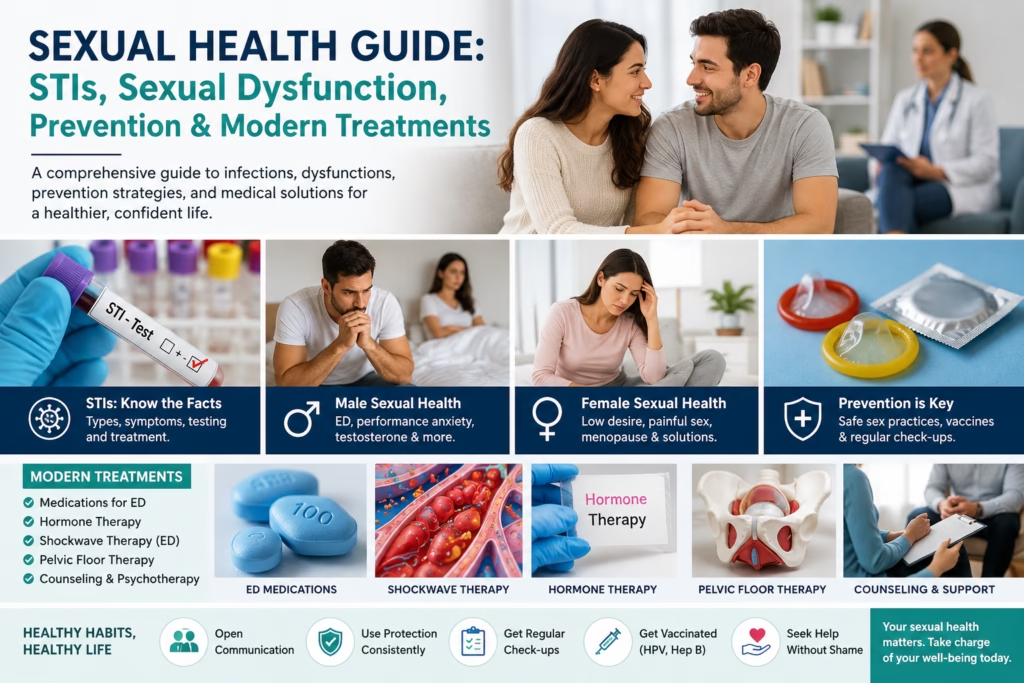
What Is Sexual Health?
Sexual health involves more than avoiding sexually transmitted infections. It includes physical, emotional, mental, and social well-being related to sexuality and relationships.
A healthy approach to sexual health can include:
- Preventing and testing for STIs
- Understanding contraception and safer sex
- Addressing erectile or ejaculation problems
- Managing low sexual desire or arousal difficulties
- Getting help for painful sex
- Maintaining reproductive health
- Communicating openly with sexual partners
- Seeking medical care when symptoms appear
Sexual health concerns are common, and seeking medical advice should not be a source of embarrassment.
1. What Are Sexually Transmitted Infections?
Sexually transmitted infections are infections that can spread through sexual contact. Depending on the infection, transmission can occur through vaginal, anal, or oral sex and through contact with infected genital skin or bodily fluids.
Some infections can also spread through other routes, including blood exposure or from a pregnant person to a baby.
The World Health Organization notes that STIs can have significant effects on sexual and reproductive health worldwide.
Common STIs include:
- Chlamydia
- Gonorrhea
- Syphilis
- Genital herpes
- Human papillomavirus (HPV)
- HIV
- Hepatitis B
- Trichomoniasis
Some STIs cause noticeable symptoms, while others can cause no symptoms at all. This is one reason testing can be important even when someone feels healthy.
2. Common STI Symptoms to Watch For
STI symptoms can vary considerably depending on the infection.
Possible symptoms include:
- Unusual genital discharge
- Burning or pain when urinating
- Genital sores or blisters
- Genital or anal itching
- Pain during sex
- Pelvic or lower abdominal pain
- Testicular pain or swelling
- Unusual vaginal bleeding
- A rash
- Swollen lymph nodes
- Sore throat after sexual exposure
- Fever or flu-like symptoms
However, having no symptoms does not necessarily mean you do not have an STI.
Chlamydia and gonorrhea, for example, can be asymptomatic. Untreated infections can sometimes lead to complications, including pelvic inflammatory disease and fertility problems. CDC guidance recommends testing based on individual risk factors and clinical circumstances.
If you think you have been exposed to an STI, don’t wait for symptoms before discussing testing with a healthcare professional.
3. Are STIs Curable?
Not all STIs behave the same way.
Bacterial and parasitic STIs
Some bacterial and parasitic infections can generally be treated with appropriate medications.
Examples include:
- Chlamydia
- Gonorrhea
- Syphilis
- Trichomoniasis
However, treatment does not necessarily provide permanent immunity. A person can become infected again after treatment.
Viral STIs
Viral infections require a different approach.
HIV can be controlled with antiretroviral treatment, allowing people with HIV to live long and healthy lives when appropriately treated.
Genital herpes can be managed with antiviral medicines that may reduce symptoms and outbreaks.
HPV is often cleared naturally by the immune system, although some infections persist and certain HPV types can cause health problems, including cancers.
Hepatitis B can become chronic in some people and can cause serious liver disease, while hepatitis C—which can sometimes be sexually transmitted—is now generally curable with appropriate antiviral treatment.
Therefore, it is more accurate to discuss individual infections rather than simply labeling all viral STIs as “incurable.”
4. Can Oral Sex Transmit STIs?
Yes.
Oral sex can transmit certain STIs, including:
- Gonorrhea
- Syphilis
- Herpes
- HPV
- Chlamydia in some circumstances
- HIV, although the risk from oral sex is much lower than from vaginal or anal sex
The risk depends on the specific infection, type of sexual contact, presence of sores or broken skin, and other factors.
Using condoms or dental dams can reduce exposure to some infections. However, barrier methods do not provide complete protection against infections spread through uncovered skin, such as some HPV or herpes transmission.
5. How Does STI Testing Work?
There is no single test that detects every STI.
Depending on your symptoms, sexual history, and possible exposure, a healthcare professional may recommend:
- Urine testing
- Blood testing
- Swabs from the vagina, cervix, penis, throat, or rectum
- Swabs from sores or lesions
- Other laboratory tests
The appropriate test depends on the infection and the type of exposure.
For example, someone who has oral sexual exposure may need to discuss whether throat testing is appropriate.
If you are in the United States, the CDC’s testing resources can help you locate STI, HIV, and hepatitis testing services.
6. How to Prevent STIs
No single prevention method eliminates every STI risk, but several strategies can substantially reduce risk.
Use condoms correctly
Using condoms correctly every time you have vaginal or anal sex can reduce the risk of several STIs.
Condoms may also reduce transmission of some infections during oral sex.
However, condoms cannot completely protect against infections transmitted through skin-to-skin contact outside the area covered by the condom.
Get recommended vaccinations
Vaccination can prevent certain sexually transmissible infections.
Important examples include:
- HPV vaccination
- Hepatitis B vaccination
The CDC recommends routine HPV vaccination beginning at ages 11–12, although vaccination can begin at age 9, and catch-up vaccination is recommended through age 26 for people who were not adequately vaccinated earlier. Some adults ages 27–45 may also discuss HPV vaccination with a healthcare professional.
Get tested when appropriate
Regular STI testing can be particularly important when someone has new or multiple partners, a partner with an STI, or another risk factor.
Ask a healthcare professional which tests are appropriate for you.
Communicate with partners
Discussing testing, protection, and sexual health before sexual activity can help both partners make informed decisions.
7. What Is Erectile Dysfunction?
Erectile dysfunction (ED) means having difficulty getting or maintaining an erection that is firm enough for sexual activity.
Occasional difficulty can happen because of stress, tiredness, alcohol, anxiety, or other temporary factors.
Persistent ED deserves medical evaluation because it can sometimes be associated with underlying health conditions.
Possible contributors include:
- Cardiovascular disease
- Diabetes
- High blood pressure
- Certain medications
- Hormonal problems
- Nerve disorders
- Anxiety or depression
- Relationship difficulties
- Smoking
- Excessive alcohol use
- Obesity
- Lack of physical activity
ED is not simply an unavoidable part of getting older. NIDDK recommends discussing persistent erectile problems with a healthcare professional.
8. Modern Treatments for Erectile Dysfunction
Treatment depends on the underlying cause.
A healthcare professional may recommend:
- Lifestyle changes
- Treatment of underlying medical conditions
- Counseling or sex therapy
- Oral PDE5 inhibitor medications
- Vacuum erection devices
- Injectable medications
- Penile implants in selected cases
PDE5 inhibitors are prescription medicines that improve blood flow to the penis and can help some men achieve and maintain an erection.
These medicines are not appropriate for everyone and can interact dangerously with certain medications, including nitrate medicines.
What about shockwave therapy for ED?
Low-intensity extracorporeal shockwave therapy has been investigated as a possible treatment for erectile dysfunction.
However, it should not be presented as a guaranteed or universally established cure. Evidence, treatment protocols, patient selection, and regulatory status vary.
Anyone considering shockwave therapy should discuss the potential benefits, limitations, costs, and alternatives with a qualified healthcare professional.
9. Common Female Sexual Health Problems
Female sexual dysfunction can involve several different areas, including:
- Low sexual desire
- Difficulty becoming aroused
- Difficulty reaching orgasm
- Pain during sex
- Vaginal dryness
- Pelvic-floor problems
- Anxiety related to sexual activity
Sexual symptoms can have physical, hormonal, psychological, medication-related, or relationship-related causes.
A healthcare professional may evaluate medications, hormones, pelvic health, mental health, relationship factors, and other medical conditions.
10. Why Can Sex Become Painful During Menopause?
Hormonal changes during menopause can contribute to vaginal dryness and other genital or urinary symptoms.
The modern medical term genitourinary syndrome of menopause (GSM) is used for a collection of symptoms involving the genital and urinary systems associated with reduced estrogen.
Symptoms may include:
- Vaginal dryness
- Burning
- Irritation
- Pain during sex
- Urinary symptoms
- Recurrent urinary tract infections in some people
Treatment depends on the person’s symptoms, medical history, preferences, and risks.
Options may include:
- Vaginal moisturizers
- Lubricants
- Pelvic-floor therapy when appropriate
- Local vaginal estrogen
- Other prescription treatments
ACOG notes that hormone therapy can help relieve certain menopausal symptoms, while treatment decisions should be individualized.
People with a history of hormone-sensitive cancer or other significant medical conditions should discuss treatment options with their healthcare professional.
11. What Is Vaginismus?
Vaginismus involves involuntary tightening of the pelvic-floor muscles around the vagina, which can make penetration painful or difficult.
Possible symptoms include:
- Pain during attempted penetration
- Difficulty inserting a tampon
- Anxiety surrounding penetration
- Pelvic-floor muscle tightening
- Avoidance of sexual activity because of anticipated pain
Treatment may involve pelvic-floor physical therapy, psychological support, gradual desensitization approaches, and treatment of contributing medical conditions.
Pain during sex should not simply be dismissed as something a person has to tolerate.
12. Testosterone and Sexual Health
Testosterone plays important roles in male reproductive and overall health.
Low testosterone can be associated with symptoms such as:
- Reduced sexual desire
- Fatigue
- Reduced muscle mass
- Changes in mood
- Reduced bone density
However, erectile dysfunction is not automatically caused by low testosterone.
ED can have vascular, neurological, psychological, medication-related, and other causes.
If low testosterone is suspected, a healthcare professional can determine whether testing is appropriate and interpret the results alongside symptoms and medical history.
Avoid using testosterone products without medical supervision.
13. Masturbation and Sexual Health
Masturbation is a common sexual behavior and is not inherently a sign of illness or weakness.
The idea that masturbation causes general physical weakness, infertility, or permanent sexual dysfunction is not supported simply by the fact that someone masturbates.
However, sexual behavior can become a problem if it causes significant distress, interferes with work or relationships, causes physical injury, or feels uncontrollable.
In those situations, discussing the concern with a healthcare professional or qualified mental-health professional can be helpful.
14. Sexual Performance Anxiety
Sexual performance anxiety can create a cycle in which worry about sexual performance makes sexual functioning more difficult.
For example:
Anxiety → increased stress → difficulty becoming aroused or maintaining an erection → more anxiety
Possible strategies include:
- Open communication with a partner
- Reducing pressure to “perform”
- Addressing relationship concerns
- Improving sleep and general health
- Counseling or sex therapy
- Medical evaluation when physical symptoms are present
If anxiety is persistent or significantly affects your life, professional support can help.
15. When Should You See a Doctor About Sexual Health?
Consider speaking with a healthcare professional if you have:
- A possible STI exposure
- Genital sores or unexplained lesions
- Unusual genital discharge
- Burning during urination
- Persistent pelvic pain
- Persistent testicular pain or swelling
- Recurrent painful sex
- Erectile dysfunction that continues
- Sudden changes in sexual desire
- Blood in semen or urine
- Unexplained genital bleeding
- Symptoms after a new sexual partner
Seek urgent medical care for severe pain, significant bleeding, serious allergic reactions, sudden severe testicular pain, or other symptoms that may represent an emergency.
16. Sexual Health Questions You Shouldn’t Be Afraid to Ask
A healthcare professional can help answer questions such as:
Can you have an STI without symptoms?
Yes. Several STIs can be asymptomatic, which is why testing can be important for people with relevant exposure or risk factors.
Can oral sex cause an STI?
Yes. Several STIs can spread through oral sexual contact.
Can an STI come back after treatment?
Some infections can recur or be acquired again after successful treatment. Treatment does not necessarily create immunity.
Is erectile dysfunction always caused by low testosterone?
No. ED has many possible causes, including vascular, neurological, psychological, medication-related, and other factors.
Can menopause cause painful sex?
Yes. Hormonal changes can contribute to vaginal dryness and genitourinary symptoms that make sex uncomfortable or painful.
Are condoms 100% effective against STIs?
No. Correct and consistent condom use reduces the risk of many STIs, but some infections can spread through skin not covered by a condom.
17. A Practical Sexual Health Checklist
A healthy sexual-health routine can include:
- Know your STI risk factors.
- Get tested when recommended.
- Use condoms or other appropriate barriers.
- Consider recommended HPV and hepatitis B vaccination.
- Communicate openly with sexual partners.
- Don’t ignore persistent pain or sexual-function changes.
- Avoid taking prescription sexual-health medicines without medical guidance.
- Discuss medication side effects with your healthcare professional.
- Seek professional help for persistent sexual or relationship difficulties.
- Use reliable medical sources when researching sexual-health questions.
Final Thoughts
Sexual health should not be a source of shame.
STIs can often be prevented, detected, and treated or managed. Sexual dysfunction can have many causes, and effective treatment depends on identifying the underlying problem. Menopause-related symptoms, erectile dysfunction, painful sex, low sexual desire, and sexual performance anxiety are all legitimate health concerns that deserve appropriate attention.
The most useful first step is often simple: talk to a qualified healthcare professional and describe your symptoms honestly.
Reliable information, appropriate testing, vaccination, safer-sex practices, and evidence-based treatment can help people protect both their sexual and overall health.
Trusted Sexual Health Resources
For additional information, use reputable medical and public-health sources rather than anonymous forums or unverified treatment websites.
- Centers for Disease Control and Prevention (CDC): STI prevention, testing, and treatment guidance
- World Health Organization (WHO): Sexual health and STI information
- National Institute of Diabetes and Digestive and Kidney Diseases (NIDDK): Erectile dysfunction information
- American College of Obstetricians and Gynecologists (ACOG): Women’s health and menopause information
Internal Link Suggestions:
- Foods and Remedies That Naturally Boost Immunity: The Evidence-Based Guide
- 10 Best Massagers 2026: Leg, Back, Foot & Massage Guns
- Vitamin D Deficiency: Symptoms, Causes & Recovery
- Top Dermatologist-Approved Skin Care Home Remedies for Acne, Eczema, and Dry Skin
- Home Remedies for Cold and Flu Symptoms: The Evidence-Based Guide
- High-Fiber Foods: The Ultimate Guide to Better Gut Health, Digestion & Weight Loss
- Skin Allergy: Symptoms, Causes & Best Treatment Guide (2026)
- Heart Health Tips: 15 Science-Backed Ways to Prevent Heart Disease Naturally (2026 Guide)
- Eye Color Genetics Explained: The Science Behind Brown, Blue, Green, Amber, Hazel & Rare Eye Colors
External Links for Further Information
- CDC Guide to Sexually Transmitted Diseases
- World Health Organization (WHO): Sexual Health
- American Sexual Health Association
Medical disclaimer: This article is for educational purposes only and does not provide individualized medical advice, diagnosis, or treatment. Medical recommendations can change as evidence evolves. Always consult a qualified healthcare professional regarding your individual circumstances.