
Essential Nutrients: Complete Guide to Vitamins, Minerals & Healthy Foods
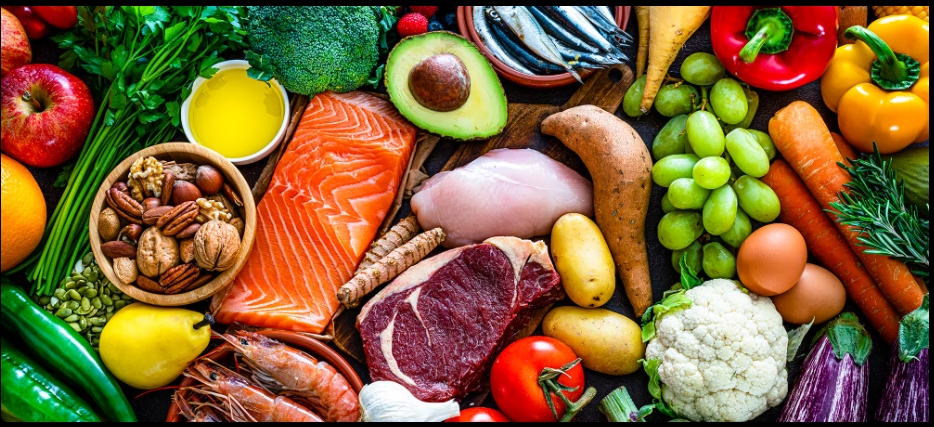
What Are Essential Nutrients?
Your body needs a wide range of essential nutrients to produce energy, build and repair tissues, support the immune system, maintain bones, regulate metabolism and keep organs functioning properly.
Nutrition can seem complicated because there are countless diets, supplements and eating trends. But the foundation is much simpler: your body needs adequate amounts of macronutrients, vitamins, minerals, water and fiber, along with a variety of foods that provide these nutrients.
The best approach is generally to build your diet around a variety of nutrient-rich foods rather than focusing on a single “perfect” food or restrictive eating pattern.
Key takeaway: A healthy diet is about the overall quality and variety of your food choices—not just individual nutrients.
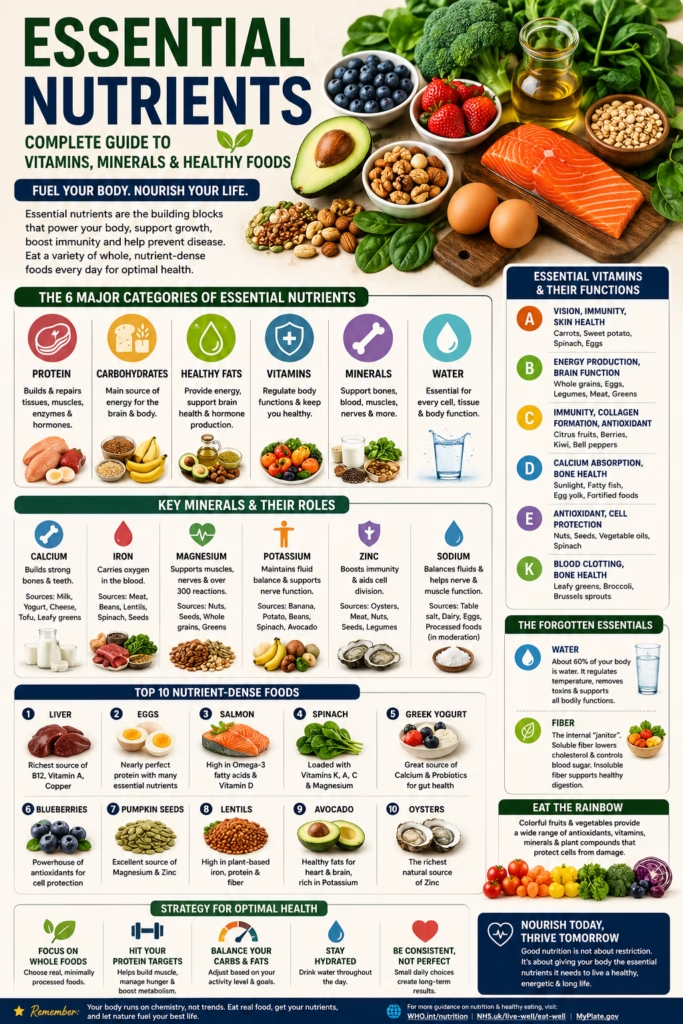
The 6 Major Categories of Essential Nutrients
Essential nutrients can broadly be organized into six categories:
- Protein
- Carbohydrates
- Fats
- Vitamins
- Minerals
- Water
Dietary fiber is also extremely important for digestive and metabolic health, even though it is technically a type of carbohydrate that the body does not fully digest.
Let’s look at each category.
1. Protein: The Building Block of the Body
Protein is essential for maintaining and repairing muscles and other tissues. It also contributes to enzymes, hormones and components of the immune system.
Protein is made from amino acids. Your body can produce some amino acids, while others—known as essential amino acids—must come from food.
Foods high in protein include:
- Eggs
- Fish
- Chicken
- Lean meats
- Greek yogurt
- Milk
- Beans
- Lentils
- Soy foods
- Nuts and seeds
How much protein do you need?
Protein requirements vary according to factors such as age, body size, activity level and health status.
Instead of relying on one universal target, aim to include a quality protein source throughout your meals.
For people who exercise regularly, protein becomes particularly important because adequate intake supports muscle maintenance and recovery.
2. Carbohydrates: An Important Source of Energy
Carbohydrates are broken down into smaller molecules, including glucose, which the body can use for energy.
Not all carbohydrate-rich foods have the same nutritional value.
Better carbohydrate choices include:
- Oats
- Brown rice
- Whole-grain bread
- Potatoes
- Sweet potatoes
- Beans
- Lentils
- Fruits
- Vegetables
Whole and minimally processed carbohydrate sources can provide fiber, vitamins, minerals and other beneficial plant compounds.
Highly processed foods containing large amounts of added sugars can be part of a diet occasionally, but they shouldn’t replace nutrient-dense foods.
3. Healthy Fats: Essential for Normal Body Function
Dietary fat isn’t something you need to eliminate to eat healthily. Your body needs fat for several important functions, including absorbing the fat-soluble vitamins A, D, E and K.
Fats also provide concentrated energy and contribute to the structure of cell membranes.
Healthier fat sources include:
- Avocados
- Olive oil
- Nuts
- Seeds
- Fatty fish
- Natural nut butters
Fatty fish such as salmon provide omega-3 fatty acids, which are important components of a balanced diet.
Saturated and unsaturated fats
A balanced diet can include different types of fat, but replacing some foods high in saturated fat with sources of unsaturated fat can be a useful strategy for cardiovascular health.
4. Essential Vitamins Your Body Needs
Vitamins are micronutrients required in relatively small quantities, but they participate in numerous biological processes.
They are generally divided into fat-soluble and water-soluble vitamins.
Fat-Soluble Vitamins
The fat-soluble vitamins are:
- Vitamin A
- Vitamin D
- Vitamin E
- Vitamin K
Because these vitamins can be stored in the body, excessive supplementation can sometimes be harmful.
Water-Soluble Vitamins
These include:
- Vitamin C
- The B-vitamin family
B vitamins play important roles in energy metabolism and nervous-system function, while vitamin C contributes to collagen formation, antioxidant protection and normal immune function.
Foods containing important vitamins
| Vitamin | Food Sources | Main Roles |
|---|---|---|
| Vitamin A | Carrots, sweet potatoes, leafy greens, eggs | Vision and immune function |
| B Vitamins | Meat, eggs, legumes, whole grains | Energy metabolism and cell function |
| Vitamin C | Citrus fruits, peppers, berries | Collagen formation and immune function |
| Vitamin D | Fatty fish, fortified foods, sunlight exposure | Calcium absorption and bone health |
| Vitamin E | Nuts, seeds, vegetable oils | Antioxidant protection |
| Vitamin K | Leafy green vegetables | Normal blood clotting and bone metabolism |
5. Essential Minerals: Small Amounts, Big Jobs
Minerals are naturally occurring elements that your body needs for numerous physiological functions.
Some of the most important include calcium, iron, magnesium, potassium, zinc, sodium and phosphorus.
Calcium
Calcium helps maintain strong bones and teeth and contributes to normal muscle and nerve function.
Food sources: dairy products, fortified plant milks, tofu and some leafy greens.
Iron
Iron is needed to make hemoglobin, the protein that carries oxygen in red blood cells.
Food sources: meat, seafood, beans, lentils, spinach and fortified grains.
People with increased iron requirements may need particular attention to their intake.
Magnesium
Magnesium participates in hundreds of biochemical reactions involving energy production, muscle function and nerve signaling.
Food sources: nuts, seeds, whole grains, legumes and leafy greens.
Potassium
Potassium contributes to normal nerve signaling, muscle contraction and fluid balance.
Food sources: potatoes, bananas, beans, lentils, spinach and other vegetables.
Zinc
Zinc contributes to normal immune function, wound healing and cell division.
Food sources: oysters, meat, dairy products, beans, nuts and seeds.
6. Water: The Often-Overlooked Nutrient
Water is essential for life.
It helps regulate body temperature, transport substances throughout the body and support normal cellular processes.
Your fluid requirements vary depending on factors such as:
- Climate
- Exercise
- Body size
- Diet
- Pregnancy
- Illness
Instead of obsessing over a single universal water target, drink regularly throughout the day and pay attention to thirst and other signs of hydration.
During prolonged exercise or extreme heat, fluid needs can increase.
Why Dietary Fiber Matters
Fiber is a type of carbohydrate that isn’t completely digested by the human body.
It can support:
- Regular bowel movements
- Digestive health
- Healthy blood cholesterol levels
- Blood glucose management
- Satiety
High-fiber foods include:
- Beans
- Lentils
- Oats
- Whole grains
- Berries
- Apples
- Vegetables
- Nuts
- Seeds
A simple way to increase fiber intake is to gradually add more vegetables, fruits, legumes and whole grains to your meals.
Nutrient-Dense Foods to Add to Your Diet
Rather than searching for one “superfood,” build meals from a variety of nutrient-rich foods.
Here are 10 nutrient-dense foods worth considering.
1. Salmon
Salmon provides protein and omega-3 fatty acids and can also contribute vitamin D and other nutrients.
2. Eggs
Eggs provide high-quality protein along with several vitamins and minerals.
3. Leafy Greens
Spinach, kale and other leafy greens provide folate, vitamin K, carotenoids and minerals.
4. Lentils
Lentils provide plant-based protein, fiber, iron and other nutrients.
5. Greek Yogurt
Greek yogurt can provide protein and calcium. Choose products with lower amounts of added sugar when appropriate.
6. Berries
Blueberries, strawberries and other berries provide fiber and a variety of plant compounds.
7. Nuts and Seeds
Almonds, walnuts, pumpkin seeds and other nuts and seeds provide healthy fats, protein, fiber and minerals.
8. Avocados
Avocados provide unsaturated fat, fiber and several vitamins and minerals.
9. Beans
Beans are an affordable source of protein, fiber, minerals and complex carbohydrates.
10. Colorful Vegetables
Eating vegetables of different colors helps diversify the vitamins, minerals and plant compounds in your diet.
How to Build a Balanced Nutrient-Rich Meal
You don’t need to calculate every nutrient in every meal.
A practical approach is to combine several food groups.
Simple meal formula:
½ plate: vegetables and/or fruit
¼ plate: protein-rich food
¼ plate: whole grains or another carbohydrate source
Plus: a source of healthy fat
For example:
Grilled salmon + roasted vegetables + brown rice + avocado
This combination provides protein, carbohydrates, healthy fats, fiber and a variety of micronutrients.
Whole Foods vs. Supplements: Which Is Better?
Supplements can be useful in certain circumstances, particularly when someone has a diagnosed deficiency or increased nutritional requirements.
However, supplements should not automatically replace a varied diet.
Whole foods provide combinations of nutrients and other beneficial compounds that aren’t always replicated by a single supplement.
Before taking high-dose vitamin or mineral supplements, talk with a qualified healthcare professional—especially if you take medications or have a medical condition.
Common Nutrition Mistakes to Avoid
1. Focusing on One “Superfood”
No single food provides everything your body needs.
Better approach: Eat a diverse diet.
2. Eliminating Entire Food Groups Without a Reason
Restrictive diets can make it harder to obtain certain nutrients.
Better approach: If you eliminate a major food group, understand what nutrients you may need to obtain elsewhere.
3. Assuming Natural Means Safe
Some naturally occurring substances and high-dose supplements can cause harm.
Better approach: Consider the dose and evidence, not just whether something is “natural.”
4. Ignoring Portion Sizes
Even nutrient-dense foods contribute calories.
Better approach: Match portions to your individual energy needs.
5. Treating Supplements as a Substitute for Healthy Eating
A multivitamin cannot compensate for a diet consistently lacking vegetables, fruits, whole grains and protein-rich foods.
A Simple Daily Nutrition Checklist
Use this checklist to build healthier eating habits:
- Eat a variety of vegetables
- Include fruit
- Choose a quality protein source
- Include whole grains or other high-fiber carbohydrates
- Include healthy sources of fat
- Drink water regularly
- Include calcium-rich foods
- Eat a variety of colorful plant foods
- Limit highly processed foods high in added sugars and sodium
- Avoid relying on supplements unless you have a reason to use them
Frequently Asked Questions About Essential Nutrients
What are the most important essential nutrients?
The body needs multiple categories of nutrients, including protein, carbohydrates, fats, vitamins, minerals and water. Fiber is also an important component of a healthy diet.
There isn’t one nutrient that is universally “most important.” Adequacy and balance matter.
What foods contain the most essential vitamins and minerals?
There is no single food that contains every essential nutrient. A varied diet containing vegetables, fruits, legumes, whole grains, nuts, seeds, dairy or fortified alternatives, seafood and other protein-rich foods can provide a broad range of nutrients.
Can I get all my nutrients from food?
Many people can obtain most nutrients from a varied, balanced diet. However, individual needs differ, and certain people may require supplements because of deficiencies, dietary restrictions, life stages or medical conditions.
Do I need a multivitamin every day?
Not necessarily. Multivitamins aren’t automatically required for everyone. Whether supplementation is appropriate depends on your diet, nutritional status and individual circumstances.
What are nutrient-dense foods?
Nutrient-dense foods provide substantial amounts of vitamins, minerals, protein, fiber or other beneficial nutrients relative to their calorie content. Examples include vegetables, fruits, legumes, fish, eggs, nuts and seeds.
How can I improve my nutrition without following a strict diet?
Start with simple changes: eat more vegetables and fruit, choose high-fiber carbohydrates, include protein at meals, replace some saturated fats with unsaturated fats and drink water regularly.
The Bottom Line
Understanding essential nutrients doesn’t require following complicated diet rules.
Build your diet around a variety of minimally processed foods, including vegetables, fruits, legumes, whole grains, protein-rich foods, nuts, seeds and healthy fats. This approach makes it easier to obtain the vitamins, minerals, protein, carbohydrates, fats, fiber and water your body needs.
Most importantly, remember that nutrition is about your overall dietary pattern, not one meal or one “perfect” food.
If you have a medical condition, food allergy, diagnosed nutrient deficiency or special dietary requirement, consider working with a qualified healthcare professional or registered dietitian for individualized advice.
Trusted External Resources
For authoritative nutrition information, these resources are useful:
- World Health Organization — Nutrition — Global information on healthy diets and nutrition.
- NHS — The Eatwell Guide — Practical guidance on building a balanced diet.
- NIH Office of Dietary Supplements — Evidence-based fact sheets about vitamins and minerals.
- USDA MyPlate — Practical guidance for building balanced meals.
- Harvard T.H. Chan School of Public Health — The Nutrition Source — Educational resources covering nutrition and healthy eating.
Internal Link Suggestions:
- Foods and Remedies That Naturally Boost Immunity: The Evidence-Based Guide
- 10 Best Massagers 2026: Leg, Back, Foot & Massage Guns
- Sexual Health Guide: STIs, Sexual Dysfunction, Prevention & Modern Treatments
- Top Dermatologist-Approved Skin Care Home Remedies for Acne, Eczema, and Dry Skin
- Penis Enlargement: What Actually Works? Evidence, Risks & Medical Options
- AI in Healthcare: The Future of Medicine, Longevity & Medical Breakthroughs
- Skin Allergy: Symptoms, Causes & Best Treatment Guide (2026)
- Heart Health Tips: 15 Science-Backed Ways to Prevent Heart Disease Naturally (2026 Guide)
- Eye Color Genetics Explained: The Science Behind Brown, Blue, Green, Amber, Hazel & Rare Eye Colors
Medical Disclaimer
This article is for general educational purposes and isn’t a substitute for personalized medical or nutritional advice. Nutrient requirements vary between individuals. Speak with a qualified healthcare professional before making major dietary changes or taking high-dose supplements.