AI in Healthcare: The Future of Medicine, Longevity & Medical Breakthroughs
Kumar G is the founder of Future Smart Living, sharing expert-backed content on health, wellness, technology, personal finance, and smart living. His goal is to provide practical, trustworthy guides that help readers live healthier, smarter, and more informed lives.
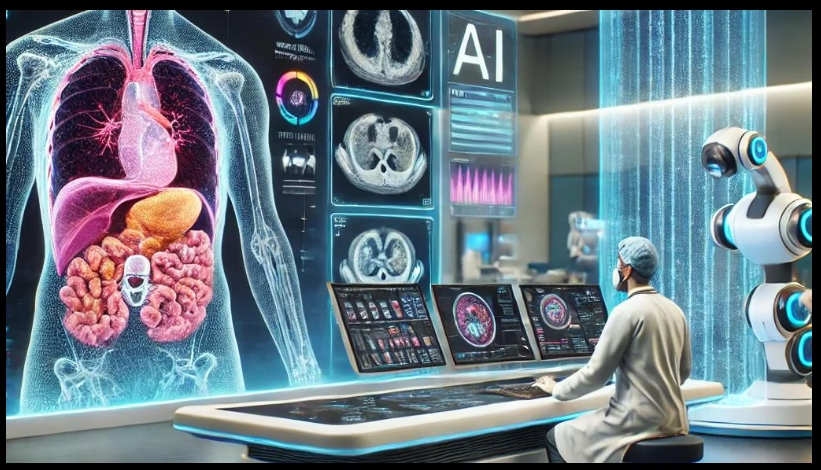
Artificial Intelligence (AI) is reshaping healthcare faster than any technology in modern history. From detecting diseases years before symptoms appear to accelerating drug discovery and enabling brain-computer interfaces, AI is transforming medicine into a more predictive, personalized, and preventive science.
At the same time, breakthroughs in longevity research, gene editing, and neural engineering are extending beyond treating disease—they aim to improve healthspan and quality of life.
This guide explores the latest innovations driving the future of healthcare and what they could mean for patients, doctors, and society.
Table of Contents
- What Is AI in Healthcare?
- AI-Powered Disease Detection
- AI and Drug Discovery
- Neural Engineering & Brain-Computer Interfaces
- AI’s Role in Fighting Alzheimer’s and Parkinson’s
- AI in Cancer Treatment
- Precision Medicine & Gene Editing
- Longevity Science and Healthy Aging
- Challenges and Ethical Concerns
- Future of Healthcare
- FAQ
What Is AI in Healthcare?
Artificial Intelligence refers to computer systems capable of analyzing enormous amounts of medical information to assist healthcare professionals in making faster and more accurate decisions.
Rather than replacing physicians, AI acts as an intelligent assistant by helping with:
- Medical imaging
- Disease prediction
- Patient monitoring
- Treatment recommendations
- Drug development
- Administrative automation
The result is faster diagnoses, personalized care, and improved patient outcomes.
AI-Powered Disease Detection
One of AI’s greatest strengths is recognizing subtle patterns that humans might overlook.
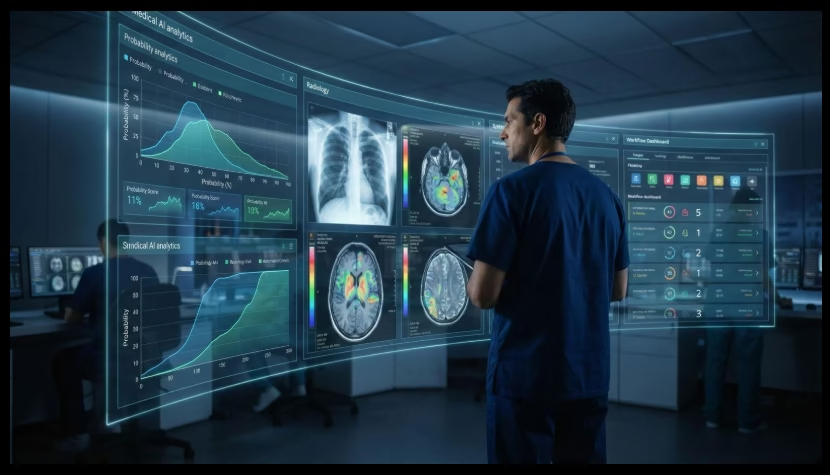
Medical Imaging
AI algorithms can analyze:
- X-rays
- CT scans
- MRI scans
- Mammograms
- Retinal images
to identify abnormalities earlier and with greater consistency.
Benefits include:
- Earlier cancer detection
- Reduced diagnostic errors
- Faster reporting
- Improved workflow for radiologists
Predicting Disease Before Symptoms
Machine learning models now analyze millions of health records and wearable device data to estimate future risks for conditions such as:
- Diabetes
- Heart disease
- Dementia
- Sleep disorders
- Stroke
Predictive healthcare allows doctors to intervene before serious illness develops.
AI Is Accelerating Drug Discovery
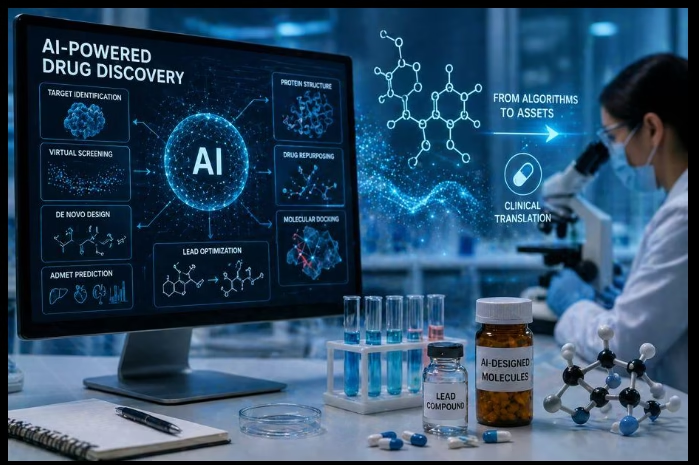
Traditional drug development often takes more than a decade.
AI dramatically shortens this timeline by:
- Screening millions of molecules
- Predicting drug interactions
- Identifying promising compounds
- Reducing laboratory costs
Researchers are already using AI to discover new antibiotics and identify therapies for inflammatory diseases, cancer, and rare genetic disorders.
Neural Engineering: Connecting the Brain with Technology
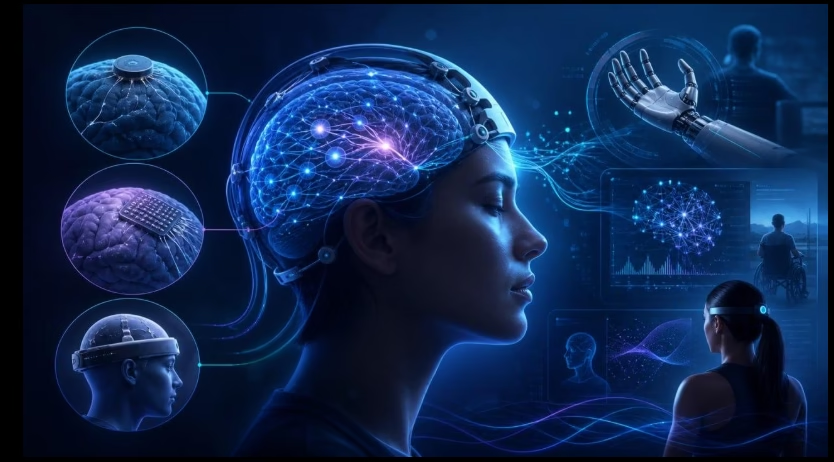
Neural engineering combines neuroscience, robotics, and AI to restore lost functions.
Brain-Computer Interfaces (BCIs)
Brain-computer interfaces allow electrical brain activity to communicate directly with computers.
Potential applications include:
- Restoring communication for people with paralysis
- Controlling prosthetic limbs
- Assisting individuals with spinal cord injuries
- Restoring speech in neurological disorders
Modern minimally invasive approaches may reduce the need for open-brain surgery.
Restoring Touch
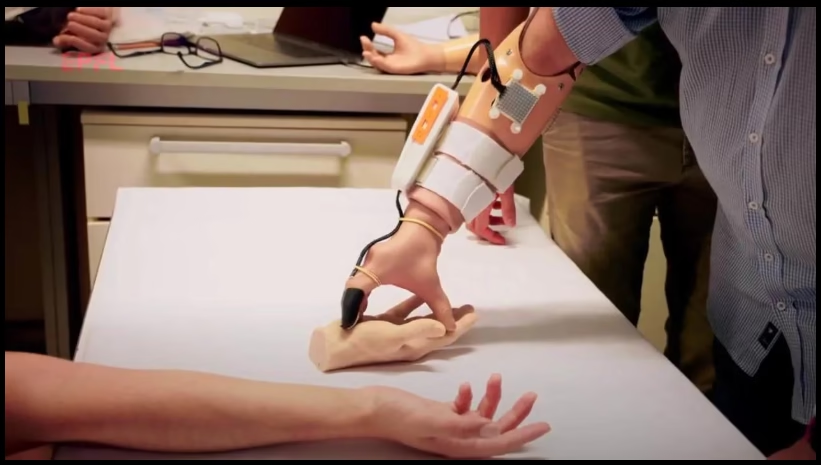
Researchers are developing robotic prosthetics that send sensory information back to the nervous system, allowing users to experience pressure and touch more naturally.
This technology could significantly improve independence and quality of life for people with limb loss.
AI Against Alzheimer’s Disease
Early diagnosis remains one of the biggest challenges in Alzheimer’s care.
Emerging technologies include:
- AI analysis of brain scans
- Cognitive assessment tools
- EEG-based screening
- Digital biomarkers from everyday activities
Researchers are also exploring focused ultrasound techniques to improve drug delivery across the blood-brain barrier.
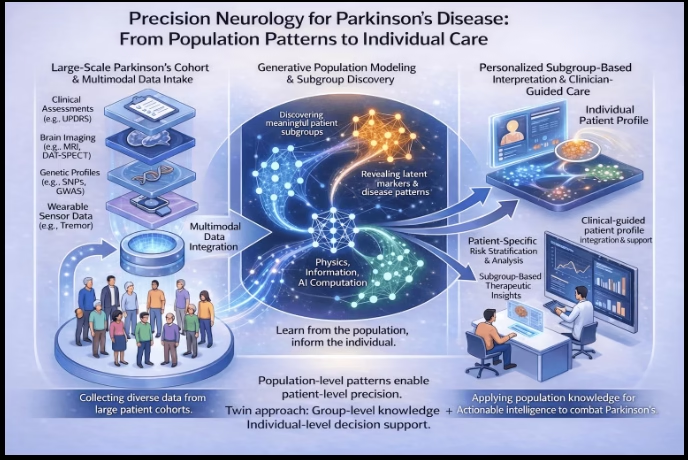
Parkinson’s Disease Innovations
Deep Brain Stimulation (DBS) has evolved considerably.
New adaptive DBS systems continuously monitor brain signals and automatically adjust electrical stimulation in real time.
Researchers are also investigating:
- Long-acting medications
- AI-guided symptom monitoring
- Wearable movement sensors
- Digital rehabilitation programs
These innovations may improve symptom control and daily functioning.
AI and Precision Cancer Treatment
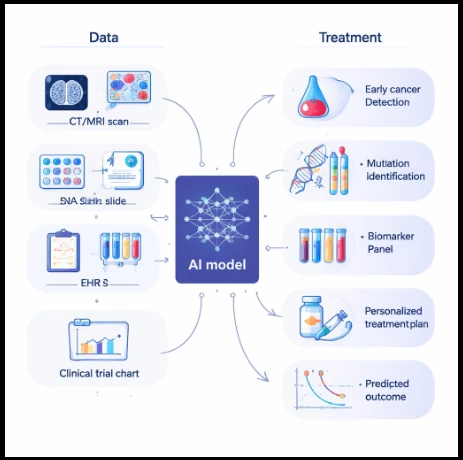
Cancer care is becoming increasingly personalized.
AI assists oncologists by:
- Identifying genetic mutations
- Matching patients with targeted therapies
- Predicting treatment response
- Improving radiation planning
Researchers are also exploring innovative immunotherapy approaches that enhance the immune system’s ability to recognize and attack cancer cells.
Precision Medicine and Gene Editing
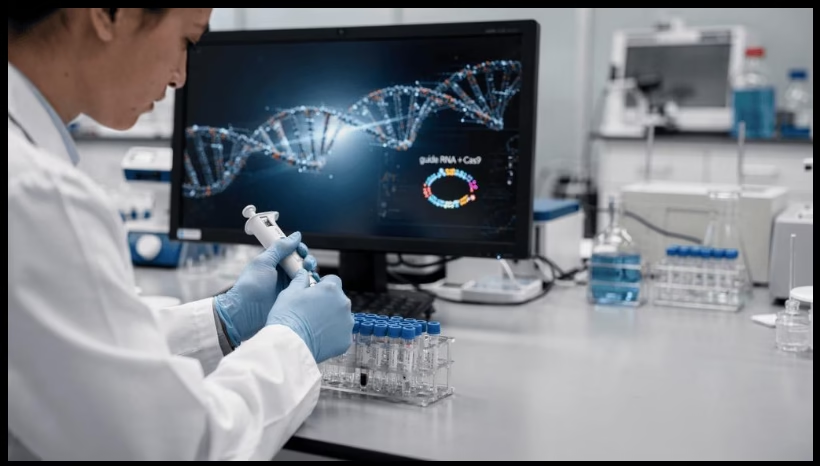
Healthcare is shifting from treating populations to treating individuals.
Using genomic sequencing and AI, doctors can better understand each person’s unique biology.
CRISPR Gene Editing
Gene-editing technologies such as CRISPR and base editing have shown promise for certain inherited disorders and are being studied for additional conditions.
Potential future applications include:
- Rare genetic diseases
- High cholesterol
- Blood disorders
- Some cancers
While the field is advancing rapidly, many therapies remain under investigation and are not yet widely available.
Longevity Science: Extending Healthy Years
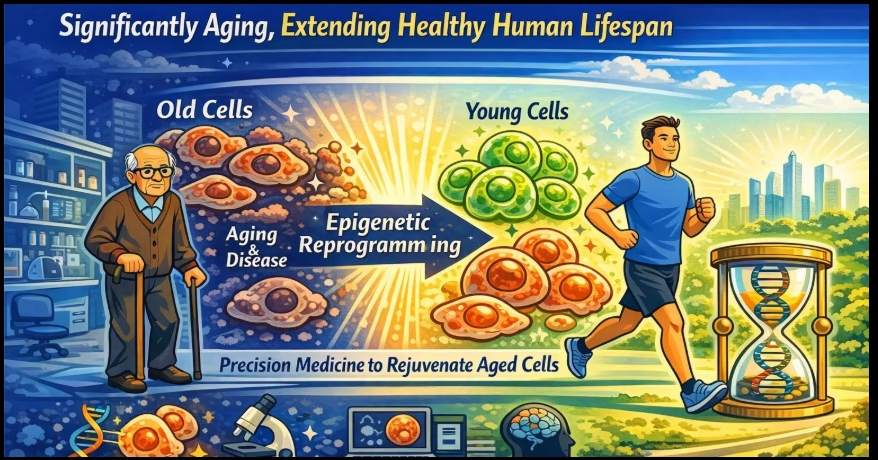
Modern longevity research focuses on increasing healthspan—the number of years people remain healthy—not simply extending lifespan.
Areas of active research include:
Cellular Rejuvenation
Scientists are studying ways to restore youthful cellular function without changing a cell’s identity.
Senolytic Therapies
Senolytics aim to remove senescent (“aging”) cells that accumulate over time and contribute to chronic inflammation.
Early animal studies are encouraging, but more human research is needed.
AI and Biological Aging
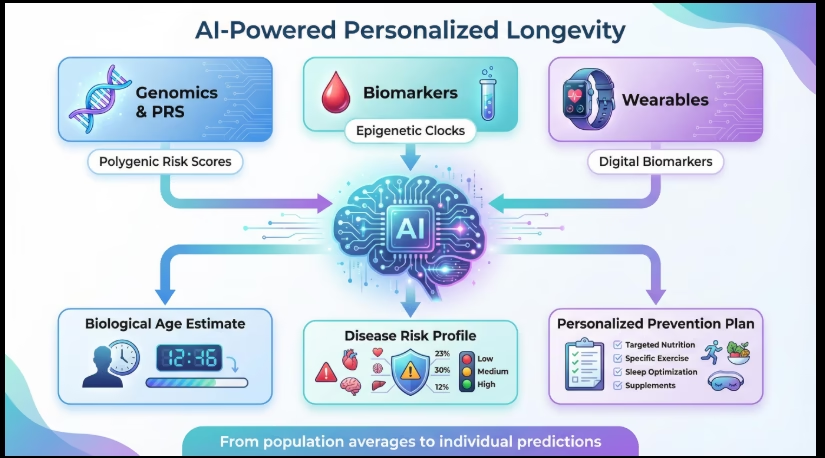
AI can analyze:
- DNA methylation
- Blood biomarkers
- Imaging data
- Lifestyle factors
to estimate biological age and potentially identify interventions that support healthier aging.
The Future Physician
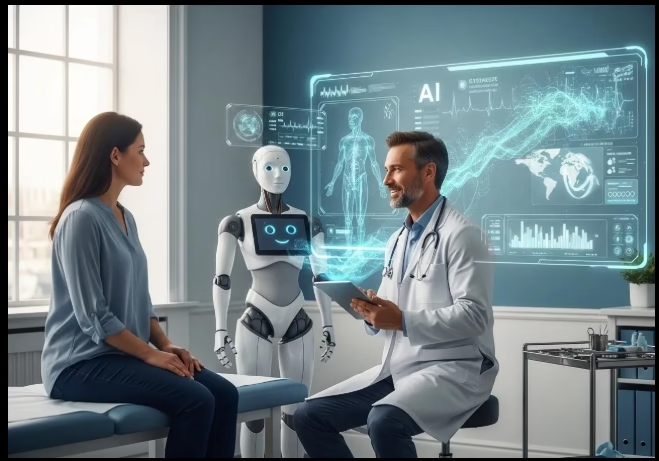
As AI automates repetitive tasks, healthcare professionals will increasingly focus on:
- Clinical judgment
- Communication
- Empathy
- Shared decision-making
- Complex patient care
The physician of the future will combine medical expertise with AI-assisted insights to deliver more personalized healthcare.
Challenges and Ethical Considerations
Despite its enormous potential, AI raises important questions.
Healthcare systems must address:
- Patient privacy
- Data security
- Algorithm bias
- Transparency
- Regulatory oversight
- Human accountability
Responsible development is essential to ensure AI improves healthcare safely and equitably.
Benefits of AI in Healthcare
✔ Earlier disease detection
✔ Personalized treatment plans
✔ Faster drug discovery
✔ Reduced medical errors
✔ Better hospital efficiency
✔ Improved patient monitoring
✔ Enhanced medical research
✔ Potential for healthier aging
Frequently Asked Questions
Will AI replace doctors?
No. AI is expected to support healthcare professionals by improving efficiency and providing decision-support, while doctors continue to make clinical judgments and care for patients.
How is AI improving cancer treatment?
AI helps identify genetic mutations, analyze medical images, support treatment planning, and assist researchers in developing targeted therapies.
What is a Brain-Computer Interface?
A Brain-Computer Interface (BCI) is a technology that enables communication between the brain and external devices, potentially helping people with paralysis or severe neurological conditions interact with computers or prosthetic devices.
Can AI predict diseases before symptoms appear?
AI models can estimate disease risk using medical records, imaging, wearable device data, and other health information. These tools are designed to support—not replace—clinical evaluation.
Is gene editing available for everyone?
No. Some gene-editing therapies have reached clinical use for specific conditions, while many other applications remain in clinical trials or research.
Final Thoughts
Artificial Intelligence, precision medicine, longevity science, and neural engineering are transforming healthcare from reactive treatment to proactive prevention. Although many technologies are still developing, they have the potential to improve diagnosis, personalize treatments, accelerate medical research, and enhance quality of life.
The future of medicine will likely combine advanced technology with compassionate, patient-centered care—using AI to support healthcare professionals rather than replace them.
Internal Link Suggestions:
- Foods and Remedies That Naturally Boost Immunity: The Evidence-Based Guide
- 10 Best Massagers 2026: Leg, Back, Foot & Massage Guns
- Vitamin D Deficiency: Symptoms, Causes & Recovery
- Top Dermatologist-Approved Skin Care Home Remedies for Acne, Eczema, and Dry Skin
- Home Remedies for Cold and Flu Symptoms: The Evidence-Based Guide
- High-Fiber Foods: The Ultimate Guide to Better Gut Health, Digestion & Weight Loss
- Skin Allergy: Symptoms, Causes & Best Treatment Guide (2026)
- Heart Health Tips: 15 Science-Backed Ways to Prevent Heart Disease Naturally (2026 Guide)
- Eye Color Genetics Explained: The Science Behind Brown, Blue, Green, Amber, Hazel & Rare Eye Colors
External Links (High Authority):
- World Health Organization (WHO): https://www.who.int/
- National Institutes of Health (NIH): https://www.nih.gov/
- Nature Medicine: https://www.nature.com/nm/
- The Lancet: https://www.thelancet.com/
- U.S. Food & Drug Administration (FDA): https://www.fda.gov/
- Parkinson’s Foundation: https://www.parkinson.org/
- Alzheimer’s Association: https://www.alz.org/
- National Cancer Institute: https://www.cancer.gov/
Medical Disclaimer:
The information provided in this article is for educational and informational purposes only and should not be considered medical advice, diagnosis, or treatment. While every effort has been made to ensure the accuracy of the information, health recommendations may change as new research becomes available.
Always consult a qualified healthcare professional before starting any new exercise program, lymphatic drainage massage, supplement, or lifestyle change—especially if you are pregnant, have lymphedema, heart disease, kidney disease, a history of blood clots (DVT), active infections, or any other medical condition.